Winter Care Guide for Senior Dogs
Protect your aging dog from cold weather with our winter care guide. Learn to manage arthritis flare-ups, prevent frostbite, and keep seniors warm.
Winter is arguably the hardest season for senior dogs. Cold temperatures don't just make your aging companion uncomfortable — they actively worsen arthritis pain, increase the risk of hypothermia, and create hazardous walking conditions that can lead to slips and injuries. If your older dog seems to slow down every winter, it's not your imagination. Understanding why cold weather hits senior dogs harder — and what you can do about it — can make the difference between a miserable season and a manageable one.
Essential Winter Products for Senior Dogs
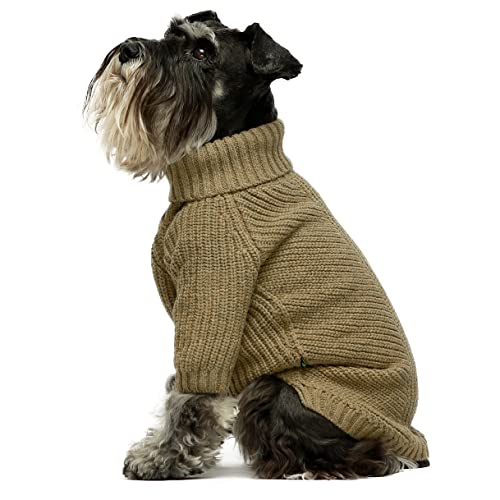
Waterproof, reversible winter jacket with reflective trim for visibility on dark winter walks

DOK Ultra Paws Durable Dog Boots
Non-slip boots that protect paws from ice, salt, and freezing pavement
Thermostatically controlled orthopedic heated bed for arthritic dogs
All-natural wax barrier that protects paws from salt, ice, and chemicals
Why Winter Is Especially Hard on Aging Dogs
Senior dogs face a unique set of challenges when temperatures drop. Their bodies are less efficient at regulating temperature, their joints are already compromised by years of wear, and their immune systems may not respond as quickly to cold-related illness. Here's what's happening inside your older dog's body during winter.
Arthritis Flare-Ups in Cold Weather
If your senior dog has arthritis — and most dogs over 8 years old do to some degree — winter is likely their worst season. Cold temperatures cause the synovial fluid in joints to thicken, reducing its lubricating ability. Blood vessels constrict, decreasing blood flow to already-inflamed joint tissues. And barometric pressure drops that accompany winter storms can increase swelling in the joint capsule.
The result is a dog that may struggle to stand up in the morning, hesitate at stairs, or seem reluctant to go outside. Many owners describe their arthritic senior dogs as "aging five years overnight" when winter arrives. This isn't just discomfort — it's genuine pain that deserves attention and management.
Temperature Regulation Challenges
As dogs age, their metabolism slows and they lose muscle mass — both of which reduce their ability to generate body heat. Thin or underweight senior dogs are particularly vulnerable, as they lack the insulating fat layer that helps maintain core temperature. Small breeds under 20 pounds can become dangerously cold in as little as 15-20 minutes in sub-freezing temperatures.
Watch for these danger thresholds:
- Below 45°F (7°C): Most senior dogs need a coat or sweater for outdoor time
- Below 32°F (0°C): Limit outdoor time to 10-15 minutes; use boots and coats
- Below 20°F (-7°C): Only brief bathroom breaks; cancel walks
- Below 0°F (-18°C): Dangerous for any dog; minimize all outdoor exposure
Keep Your Senior Dog Warm
- Waterproof Winter Dog Coats — Essential for any senior dog spending time outdoors in cold weather
- Heated Orthopedic Dog Beds — Soothing warmth for aching arthritic joints
- Indoor Dog Sweaters — Lightweight warmth for dogs that get cold even inside the house
Protecting Paws from Winter Hazards
Your senior dog's paws are ground zero for winter hazards. Ice, snow, road salt, and chemical de-icers can cause cracking, bleeding, chemical burns, and toxic reactions. Older dogs with reduced sensation in their feet may not show immediate signs of discomfort, making the damage worse before you notice it.
The Road Salt Problem
Sodium chloride and calcium chloride — the most common de-icing chemicals — are both irritants that can burn paw pads on contact. If your dog licks salt off their paws after a walk, they may ingest enough to cause gastrointestinal upset. In larger quantities, salt ingestion can lead to excessive thirst, vomiting, diarrhea, and potentially dangerous sodium levels in the blood.
Always wipe your dog's paws immediately after winter walks. Use warm water or pet-safe paw wipes to remove all traces of salt and chemicals. Better yet, use a paw wax like Musher's Secret before walks to create a protective barrier, or invest in well-fitting dog boots.
Ice and Snowball Buildup
Long-haired breeds are especially prone to snow and ice packing between their toes, which can cause frostbite and painful cracking. Keep the fur between your senior dog's toes trimmed short during winter. After walks, check between each toe for ice buildup and gently remove it with warm (not hot) water.

Indoor Exercise Alternatives for Winter
When it's too cold for regular walks, your senior dog still needs gentle movement to keep joints from stiffening. The key is low-impact activities that maintain range of motion without overexertion.
Gentle Indoor Activities
- Hallway strolls: Slow walks up and down a hallway provide movement without stairs or cold
- Gentle stretching: Use treats to encourage your dog to reach up, down, and to each side
- Puzzle toys: Mental stimulation is just as tiring as physical exercise for senior dogs
- Snuffle mats: Nose work exercises that keep your dog engaged without stressing joints
- Short tug sessions: Very gentle, brief tug-of-war can keep muscles engaged
- Hide and seek: Hide treats around a room for your dog to find at their own pace
If your dog has access to a heated indoor pool or a veterinary hydrotherapy facility, swimming and underwater treadmill sessions are excellent winter exercises. The warm water soothes arthritic joints while providing resistance training that maintains muscle mass.
Winter Health Monitoring
Red Flags That Need Immediate Veterinary Attention
Winter can trigger or worsen several conditions in senior dogs. Contact your vet immediately if you notice:
- Sudden inability to stand or walk — Could indicate a spinal issue worsened by cold
- Persistent shivering that won't stop — May signal hypothermia, not just cold
- White or gray paw pads, ear tips, or tail tip — Signs of frostbite
- Labored breathing or persistent cough — Cold air can worsen respiratory conditions
- Refusal to eat or drink for more than 24 hours — Could indicate pain or illness
- Confusion or disorientation beyond normal — Cold may worsen cognitive dysfunction symptoms
Joint Supplement Adjustments
Talk to your vet about increasing joint supplement dosages during winter months. Many veterinarians recommend a higher dose of glucosamine and chondroitin during cold months, or adding an omega-3 fatty acid supplement like fish oil for its anti-inflammatory properties. Some owners find that adding CBD oil to their dog's winter regimen provides additional relief.
Winter Joint Support
- Senior Dog Joint Supplements — Extra joint support during high-pain winter months
- Fish Oil Supplements for Dogs — Omega-3 fatty acids reduce joint inflammation naturally
- Indoor Puzzle Toys — Keep your senior dog mentally stimulated when outdoor time is limited
Creating a Warm Indoor Environment
Your home setup matters enormously for a senior dog's winter comfort. Small changes can dramatically reduce pain and improve mobility during the coldest months.
- Elevate the bed: Place your dog's bed on a raised platform or use a cot-style bed to keep them off cold floors
- Add non-slip rugs: Cold, hard floors are slippery and uncomfortable — area rugs with grip pads provide warmth and traction
- Avoid drafts: Position your dog's bed away from doors, windows, and vents that might create cold drafts
- Maintain consistent temperature: Keep your home at 68-72°F and avoid dramatic temperature swings
- Consider a heated dog bed: Therapeutic warmth can significantly reduce morning stiffness and arthritis pain
Winter Grooming and Skin Care
Winter's dry air — both outside and from indoor heating — can cause dry, flaky skin and a dull coat in senior dogs. Their skin is already thinner and less resilient with age, making winter dryness even more problematic.
Reduce bathing frequency during winter to preserve natural skin oils. When you do bathe your dog, use a moisturizing, oatmeal-based shampoo and lukewarm water. A regular brushing routine helps distribute natural oils throughout the coat and stimulates circulation to the skin. Consider adding a skin-and-coat supplement with omega fatty acids to their diet.

Winter Safety Checklist for Senior Dog Owners
Keep this checklist handy throughout the winter season:
- Check the temperature before every outdoor outing
- Apply paw wax or put on boots before walks
- Wipe paws and belly after every outdoor trip
- Keep walks short (10-15 minutes max in cold weather)
- Monitor water intake — dogs need hydration in winter too
- Provide a warm, draft-free sleeping area
- Maintain joint supplements and pain medication schedule
- Watch for signs of hypothermia, frostbite, or increased pain
- Keep antifreeze stored securely — it's lethal and tastes sweet to dogs
- Never leave a senior dog in an unheated car
Related Senior Dog Guides
- Best Heated Dog Beds for Arthritis — Therapeutic warmth for aching winter joints
- Arthritis in Senior Dogs — Complete guide to managing joint pain year-round
- Best Dog Coats for Cold Weather — Waterproof, insulated options for winter walks
- Best Puzzle Toys for Senior Dogs — Indoor mental stimulation when walks are limited
Pet Insurance · Sponsored
Protect Your Senior Dog From Surprise Vet Bills
Senior dogs are more likely to face arthritis, lumps, dental disease, and sudden emergencies, and a single visit can run into the hundreds or thousands. Pet insurance can help you say yes to the care your dog needs without draining your savings. Get a free quote and see what coverage fits.
Frequently Asked Questions
What temperature is too cold for a senior dog?
Most senior dogs start to feel uncomfortable below 45°F (7°C), and temperatures below 32°F (0°C) can be dangerous, especially for small breeds, thin-coated dogs, or those with arthritis. Dogs with joint issues may show stiffness and pain even in the 40-50°F range. Always monitor your dog's behavior and bring them inside if they shiver, lift their paws, or seem reluctant to move.
How does cold weather affect arthritis in older dogs?
Cold weather causes blood vessels to constrict, reducing blood flow to joints and making them stiffer and more painful. Barometric pressure changes can also increase inflammation in arthritic joints. Many owners notice their senior dogs are significantly more stiff and reluctant to move during winter months. Keeping your dog warm with heated beds, coats, and indoor exercise can minimize flare-ups.
Should I still walk my senior dog in winter?
Yes, but with modifications. Short, frequent walks of 10-15 minutes are better than long outings. Walk during the warmest part of the day, usually mid-morning to early afternoon. Use dog boots or paw wax to protect feet from ice, salt, and cold pavement. Skip walks entirely when temperatures drop below 20°F or during ice storms, and use indoor exercise alternatives instead.
Is road salt dangerous for senior dogs?
Yes, road salt and chemical de-icers can irritate and burn your dog's paw pads, causing cracking and bleeding. If ingested through licking paws, salt can cause vomiting, diarrhea, and in large amounts, sodium poisoning. Always wipe your dog's paws after winter walks and consider using dog boots or paw wax as a protective barrier.
How can I keep my arthritic dog comfortable indoors during winter?
Use a heated or orthopedic dog bed placed away from drafts and cold floors. Keep your home at a consistent temperature of at least 68-72°F. Place non-slip rugs on hard floors for better traction. Consider a dog sweater or fleece for extra warmth. Gentle indoor exercises like slow stretches or short hallway walks help keep joints from stiffening.
Do senior dogs need more calories in winter?
It depends on activity level. Dogs that remain active outdoors may need 10-15% more calories to maintain body heat. However, many senior dogs are less active in winter, so extra calories could lead to weight gain that worsens joint problems. Monitor your dog's weight closely and consult your vet about seasonal diet adjustments.
What are signs of hypothermia in an older dog?
Early signs include intense shivering, lethargy, and cold ears and paws. As hypothermia progresses, shivering may stop, breathing becomes slow and shallow, muscles stiffen, and the dog may become unresponsive. Senior dogs are at higher risk because they regulate body temperature less efficiently. If you suspect hypothermia, wrap your dog in warm blankets and seek veterinary care immediately.
Need more help with your aging dog?
Browse our guides by topic to find practical solutions.
Wellness Planner — $39