Best Heated Dog Bed for Arthritis (2026 Picks)
Best heated dog bed for arthritis compared: electric vs self-warming options for senior dogs. Safety features, temperature guide, and top-rated picks for 2026.
Why Warmth Helps Arthritic Dogs
If you have ever noticed that your senior dog seems stiffer on cold mornings or reluctant to move after lying on a cool floor, you are not imagining things. Cold temperatures can make stiff joints feel even more uncomfortable, and many owners of arthritic dogs observe a clear connection between chilly environments and their dog's mobility.
Warmth works as a comfort measure in a straightforward way. Gentle heat promotes blood flow to muscles and soft tissues around joints, helping them relax and become more pliable. This is why a warm bath or a heating pad feels good on sore human muscles, and the same principle applies to dogs. For senior dogs who spend much of their day resting, a consistently warm sleeping surface can make the difference between waking up stiff and struggling to rise versus getting up with relative ease.
Heated dog beds are not a medical treatment and should not replace veterinary care. But as a comfort tool, they are one of the most straightforward things you can add to your senior dog's daily routine, and many owners wish they had tried one sooner.
Best Heated Beds for Arthritic Dogs
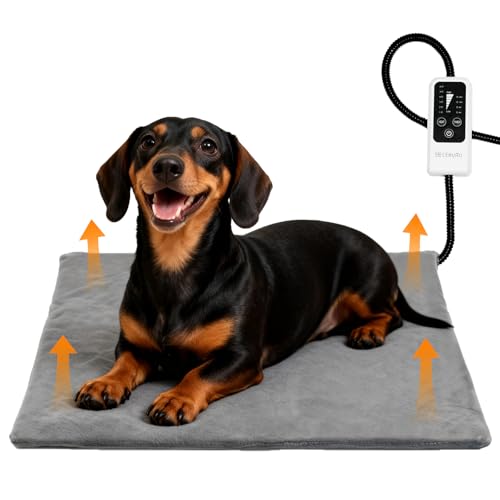
BECEMURU Electric Heated Dog Beds
Consistent therapeutic warmth for stiff joints


Rainmr Heated Orthopedic Dog Beds
Combined heat therapy and memory foam support


Electric Heated Beds: How They Work
Electric heated dog beds contain a low-wattage heating element embedded within the bed or pad. When plugged in, this element warms the sleeping surface to a gentle, consistent temperature, typically between 86 and 102 degrees Fahrenheit. Quality electric heated beds include several safety features that make them distinctly different from human heating pads.
Key Safety Features to Look For
- Internal thermostat: Automatically regulates the temperature so the bed cannot overheat. This is non-negotiable. Never purchase a heated pet bed without a thermostat.
- Chew-resistant cord: The power cord should be wrapped in a steel or heavy-duty covering to prevent your dog from chewing through it. This is especially important if your dog tends to chew or paw at bedding.
- Low voltage operation: Many pet heating pads operate at low voltage (12 volts) rather than standard household voltage, reducing the risk of electrical injury.
- Auto-shutoff: Some models include a timer that turns the bed off after a set period, providing an additional layer of safety.
- Removable, washable cover: The cover should be easy to remove and machine-washable, as senior dogs often need more frequent bedding changes.
Advantages of Electric Heated Beds
Electric beds provide consistent, reliable warmth regardless of the ambient temperature. On a cold winter night when the house temperature drops, an electric heated bed maintains its warmth. This makes them particularly valuable for dogs in cooler climates or in homes where the heat is turned down at night.
The temperature is also higher and more noticeable than self-warming alternatives. For dogs with significant stiffness, the active warmth of an electric bed often provides more observable comfort than a self-warming option.
Considerations
Electric beds require access to an outlet, which limits placement options. The cord can be a tripping hazard for both humans and dogs, so routing it carefully is important. These beds also add a small amount to your electricity bill, though most pet heating pads consume only 30 to 80 watts, comparable to a standard light bulb.
Electric Heated Dog Beds
Look for beds with internal thermostats, chew-resistant cords, and removable washable covers. Quality models from reputable pet brands are widely available.
- K&H Pet Products Ortho Thermo-Bed Heated Dog Bed (XL) — Orthopedic foam with internal thermostat heating element, fleece cover
- K&H Pet Products Thermo-Snuggly Sleeper Heated Dog Bed — Indoor heated bed with bolstered sides and removable heater
- Browse All Electric Heated Dog Beds on Amazon
Self-Warming Beds: A Cord-Free Alternative
Self-warming dog beds use your dog's own body heat to create warmth. They typically contain a layer of reflective material, often similar to the Mylar used in emergency blankets, sandwiched between insulating layers. When your dog lies on the bed, their body heat radiates downward, hits the reflective layer, and bounces back upward, creating a warm cocoon effect.
Advantages of Self-Warming Beds
- No electricity needed: Self-warming beds work anywhere, making them perfect for travel, camping, or rooms without convenient outlets.
- No cords: Without a power cord, there is no chewing risk and no tripping hazard.
- Lower cost: Self-warming beds are generally less expensive than electric options.
- Simple maintenance: Most self-warming beds can be washed more easily since there are no electrical components to work around.
Limitations
Self-warming beds depend on your dog's body heat to function, so they are only warm when your dog is on them. They also produce less warmth overall than electric beds. In a very cold room, a self-warming bed may not provide enough supplemental heat to make a meaningful difference for a stiff, arthritic dog. They work best as a mild warmth boost in moderately cool environments.

Self-Warming Dog Beds
Self-warming beds with reflective insulation layers are a great cord-free option for mildly arthritic dogs or as supplemental warmth in moderate climates.
Heated Pads and Inserts
If your dog already has a favorite bed and you do not want to replace it entirely, heated pads and inserts offer a middle ground. These are flat heating elements designed to slip inside or underneath an existing bed. They come in both electric and microwavable varieties.
Electric heating pads for pets work similarly to heated beds but in a thinner, more portable format. Microwavable heat discs or pads contain a gel or grain filling that retains heat for several hours after being warmed in the microwave. The microwavable option is useful for short-term warmth, such as warming the bed before your dog lies down for the night.
Heated Pads and Inserts
Pet-safe heating pads can be placed inside or beneath your dog's existing bed to add warmth without replacing their favorite sleeping spot.
Choosing Between Electric and Self-Warming
The right choice depends on your dog's specific situation and your home environment. Here is a practical framework for deciding.
Choose electric if: Your dog has noticeable joint stiffness, your home is cold (especially at night), your dog sleeps in one consistent spot near an outlet, and you want the most warmth possible.
Choose self-warming if: Your dog has mild stiffness, your home stays moderately warm, you want a portable option for travel, or you are concerned about cords and electrical safety with a chew-prone dog.
Consider both: Some owners use an electric bed in the main sleeping area and a self-warming bed in a secondary resting spot. This gives your dog warmth options throughout the home without running cords to multiple locations.
Temperature Control Tips
Even with a thermostat-regulated bed, monitoring your dog's comfort is important, especially during the first few weeks of use.
- Watch for panting: If your dog pants while on the heated bed, the temperature may be too high or the room may be too warm for a heated bed to be needed.
- Provide an alternative: Always give your dog the option to move to a cool, unheated surface. Never confine your dog to a heated bed without an escape route to a cooler area.
- Adjust for seasons: A heated bed that is perfect in January may be too warm in April. Many owners unplug or remove heated beds during warmer months and switch to cooling mats.
- Check for hot spots: Occasionally feel the bed surface with your hand while it is in use. The temperature should feel pleasantly warm, not hot. If any area feels uncomfortably hot, discontinue use and contact the manufacturer.
Combining Heated Beds with Other Comfort Measures
A heated bed works well as part of a broader comfort strategy for arthritic senior dogs. Many owners combine heated beds with orthopedic foam support, which addresses both the warmth and pressure-relief needs of aging joints. Joint supplements, gentle exercise, and maintaining a healthy weight are other common elements of a comfort plan.
If your dog's stiffness or discomfort seems significant, persistent, or worsening, a conversation with your veterinarian is the best next step. They can help you understand what is going on and whether your current comfort measures are appropriate for your dog's situation. A heated bed is a helpful tool, but it works best as one part of a thoughtful approach to your senior dog's overall well-being.
Related Guides
- Best Orthopedic Beds for Older Dogs - Combine warmth with proper orthopedic support for maximum comfort.
- Senior Dog Joint Supplements Comparison - Supplements that work alongside heat therapy to ease joint stiffness.
- Arthritis in Senior Dogs - A comprehensive guide to managing the condition heated beds help address.
Pet Insurance · Sponsored
Protect Your Senior Dog From Surprise Vet Bills
Senior dogs are more likely to face arthritis, lumps, dental disease, and sudden emergencies, and a single visit can run into the hundreds or thousands. Pet insurance can help you say yes to the care your dog needs without draining your savings. Get a free quote and see what coverage fits.
Frequently Asked Questions
Are heated dog beds safe to leave on all day?
Most modern heated dog beds designed for pets include built-in thermostats that regulate temperature and auto-shutoff features. However, it is still a good practice to supervise your dog when the bed is in use, especially when first introducing it. Never use a heated bed designed for humans, as those can reach temperatures that are unsafe for dogs.
What temperature should a heated dog bed be?
The ideal surface temperature for a heated dog bed is between 86 and 102 degrees Fahrenheit, which roughly matches a dog's natural body temperature. Quality pet heating pads are designed to warm to this range and no higher. Avoid any product that does not specify its maximum temperature.
Can puppies or young dogs use heated beds?
Heated beds are primarily designed for senior, arthritic, or recovering dogs. Healthy young dogs generally do not need supplemental heat and may overheat. If you have a young dog that seems cold, consult your veterinarian about whether a heated bed is appropriate.
What is the difference between electric and self-warming dog beds?
Electric heated beds use a powered heating element to actively generate warmth, reaching higher and more consistent temperatures. Self-warming beds use reflective materials like Mylar or insulating layers to reflect your dog's own body heat back to them. Electric beds provide more warmth but require electricity, while self-warming beds are portable and have no cords.
Will my arthritic dog actually benefit from a heated bed?
Many owners of arthritic dogs report that their dogs seem more comfortable, settle more easily, and rise with less stiffness when using heated beds. Warmth can help relax muscles around stiff joints and improve blood flow to the area. While heated beds are not a medical treatment, they are a widely used comfort measure for dogs with joint stiffness.
How do I introduce my senior dog to a heated bed?
Place the heated bed in your dog's favorite resting spot and turn it on before inviting them to lie on it. Place a familiar blanket or an item with your scent on the bed. Most dogs will investigate the warmth on their own within a day or two. Do not force your dog onto the bed. Some dogs may prefer the bed turned off initially and warmed up gradually over several days.
Can I use a heated bed outdoors for my senior dog?
Some heated beds are rated for outdoor use and are designed with weather-resistant covers and chew-resistant cords. If your senior dog spends time in a garage, covered porch, or outdoor kennel, look specifically for outdoor-rated heated beds. Never use an indoor-only heated bed outside, as moisture and temperature fluctuations can create safety hazards.
Need more help with your aging dog?
Browse our guides by topic to find practical solutions.
Wellness Planner — $39