Grooming Tips for Senior Dogs — Gentle and Easy
Grooming tips for senior dogs with gentle techniques, the best brushes for sensitive skin, and advice on shorter sessions. Plus nail trimming made easy.
Grooming a senior dog is fundamentally different from grooming a young one. What used to be a straightforward routine may now require more patience, gentler tools, and a willingness to adapt your approach to your dog's changing body. Stiff joints make certain positions uncomfortable. Thinning skin bruises more easily. Coats may become dry, matted, or patchy in ways they never were before.
But grooming remains just as important as it ever was, perhaps even more so. Regular grooming keeps your senior dog comfortable, allows you to catch emerging health issues early, and provides gentle physical contact that strengthens your bond. This guide covers how to adjust your grooming routine to match your dog's evolving needs, from brushing and bathing to nail care and everything in between.
Essential Grooming Products for Senior Dogs


SweetBin Dog Grooming Table with Ramp
Safe, elevated surface for easier grooming

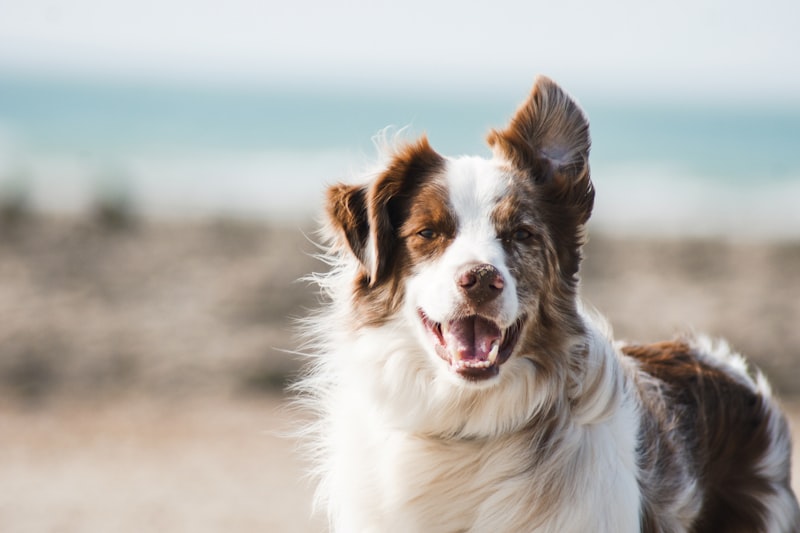
The Core Principle: Comfort First
Every grooming decision for a senior dog should filter through one question: is this comfortable for them? A perfectly groomed dog who is sore, stressed, or exhausted from the process is worse off than a slightly scruffy dog who was handled gently and allowed to rest.
This means rethinking some basic assumptions. Sessions should be shorter. Your dog should be allowed to lie down rather than stand if that is what they prefer. Tools should be softer. Handling should be gentler. And if your dog shows signs of discomfort or stress, it is okay to stop and finish another day. Grooming is maintenance, not a performance, and there is no timeline that matters more than your dog's wellbeing.
Brushing: The Foundation of Senior Dog Grooming
Regular brushing does more for a senior dog than just keeping the coat looking nice. It removes loose fur and dander, distributes natural oils through the coat, stimulates blood flow to the skin, prevents mats that can pull on sensitive skin, and gives you a chance to feel for lumps, bumps, and sore spots.
Choosing the Right Brush
Senior dogs generally do best with softer brushing tools. Here is what works for different coat types:
- Short coats: A rubber curry brush or a soft-bristle brush glides over the coat without scratching the skin. These tools are gentle enough for daily use and do an excellent job of removing loose fur.
- Medium coats: A soft pin brush with rounded tips works through the coat without pulling. Pair it with a wide-toothed comb for any tangles.
- Long coats: A long-toothed, wide-spaced comb works through longer fur gently. Follow with a soft bristle brush to smooth. For mats, use a mat splitter or dematting comb rather than trying to rip through tangles, which pulls painfully on the skin.
- Curly or wiry coats: A slicker brush with flexible, gentle pins works best, but use light pressure. Older dogs with curly coats are particularly prone to matting, so frequent short sessions prevent tangles from becoming problematic.
Gentle Brushing Tools
- Soft Bristle Dog Brushes - Gentle on sensitive skin and thinning coats
- Rubber Curry Dog Brushes - Massaging action that senior dogs love
- Gentle Dematting Combs - Work through mats without pulling on skin
Brushing Technique for Senior Dogs
Brush in the direction of fur growth using long, gentle strokes. Avoid pressing down hard, as senior skin is thinner and bruises more easily. Work in sections, starting wherever your dog seems most comfortable and saving sensitive areas for last. If you encounter a mat, hold the fur above the mat between your fingers and the skin to prevent pulling, then work the mat out from the tip toward the skin using a comb or dematting tool.
Keep sessions short. Five to ten minutes of gentle brushing every other day is better for a senior dog than a marathon weekly session. If your dog seems to enjoy it, there is no harm in going longer, but always let them set the pace.

Bathing: Less Frequent, More Thoughtful
Most senior dogs do not need to be bathed as frequently as younger dogs, especially if they are less active and spending more time indoors. Every two to four weeks is usually sufficient, with spot cleaning and dry shampoo handling maintenance between baths.
Making Bath Time Easier
- Non-slip mat: Place a rubber mat in the tub or shower to give your dog secure footing.
- Warm water: Use lukewarm water, never hot. Older dogs are more sensitive to temperature extremes.
- Handheld sprayer: A detachable shower head gives you control and avoids spraying your dog's face directly.
- Gentle shampoo: Use a moisturizing, oatmeal-based, or hypoallergenic formula designed for dogs. Senior skin is drier and more sensitive than younger skin.
- Quick and focused: Get in, get clean, get out. Minimize the time your dog needs to stand.
- Thorough drying: Towel dry gently and completely. A low-heat blow dryer on the lowest setting can speed the process, but many senior dogs are startled by the noise. A warm room and thorough toweling work well for most dogs.
For dogs who truly cannot stand for a bath, consider waterless shampoo as your primary cleaning method, with professional grooming sessions for occasional thorough baths in a controlled environment.
Bathing Supplies for Senior Dogs
- Moisturizing Oatmeal Dog Shampoo - Gentle cleansing for dry, sensitive senior skin
- Non-Slip Bath Mats for Dogs - Secure footing in the tub or shower
- Handheld Dog Bathing Sprayer - Targeted rinsing without overwhelming your dog
Nail Care: Essential and Often Dreaded
Nail care is arguably the most important grooming task for a senior dog. Long nails affect posture, gait, and traction, all of which are already compromised in many older dogs. Yet it is also the task most dogs and owners find stressful.
Clippers vs Grinders
Nail grinders remove small amounts of nail gradually by sanding rather than cutting. Many senior dogs tolerate grinders better than clippers because there is no sudden pressure or risk of cutting the quick. The sound and vibration take some getting used to, but a slow introduction usually resolves any initial nervousness.
Clippers are faster but require more confidence and skill to use without hitting the quick. For senior dogs with dark nails where the quick is not visible, grinders are generally the safer choice.
How Often to Trim
Every two to three weeks is ideal for most senior dogs. Less active dogs do not wear down their nails naturally through walking on hard surfaces, so they tend to need more frequent trims than they did when younger. If you hear clicking on the floor, the nails are overdue.
Nail Care Tools
- Quiet Dog Nail Grinders - Low-noise, gentle nail shortening
- Dog Nail Clippers with Safety Guard - Built-in guard prevents cutting too short
Ear Cleaning
Senior dogs can be more prone to ear issues, especially breeds with floppy ears or dogs with allergies. Check ears weekly for redness, odor, excessive wax, or discharge. Clean the outer ear with a veterinarian-recommended ear cleaning solution and a cotton ball. Never insert anything into the ear canal.
If you notice persistent head shaking, scratching at the ears, or a strong odor, schedule a veterinary check. Ear infections are common in senior dogs and are much easier to treat when caught early.
Eye Care
Older dogs often develop more eye discharge as tear production and drainage change with age. A gentle daily wipe around the eyes with a soft, damp cloth or eye-specific wipe removes discharge and prevents crusty buildup. Pay attention to changes in eye appearance, such as cloudiness, redness, or excessive tearing, and mention them to your veterinarian.

Skin Checks During Grooming
One of the most valuable aspects of regular grooming is the opportunity to examine your dog's skin and body. As you brush, bathe, or wipe down your senior dog, pay attention to:
- Lumps and bumps: New growths are common in older dogs. Most are benign, but any new lump should be evaluated by your veterinarian.
- Dry or flaky skin: May indicate nutritional issues, allergies, or the need for a more moisturizing grooming routine.
- Sore spots: Areas where your dog flinches or pulls away may indicate pain from arthritis, injury, or skin irritation.
- Parasites: Check for fleas, ticks, and signs of mites, especially during warmer months.
- Hair loss: Patchy hair loss can indicate hormonal issues, allergies, or other conditions worth investigating.
Early detection of health changes is one of the greatest gifts that regular grooming provides. Many owners discover issues during grooming that might otherwise go unnoticed until they become more serious.
Creating a Grooming Schedule That Works
Rather than trying to do everything in one session, spread grooming tasks across the week in manageable chunks.
- Daily: Quick brush (five minutes), paw wipe after walks, eye cleaning if needed.
- Every two to three days: More thorough brushing, skin inspection, ear check.
- Every two to three weeks: Nail trim or grind.
- Every two to four weeks: Full bath or thorough dry shampoo session.
- As needed: Sanitary trim, mat removal, dental care.
This schedule keeps your senior dog clean and comfortable without any single session being long or tiring. Adjust based on your dog's tolerance, coat type, and specific needs. The most important thing is that grooming remains a positive experience, one that your dog associates with gentle touch and your calm, caring presence.
Related Guides
- Best Dog Wipes for Senior Dogs - Quick grooming wipes for daily maintenance between sessions.
- Best Dry Shampoo for Senior Dogs - Waterless cleaning for dogs who struggle with traditional baths.
- Dental Care for Older Dogs - Oral care is an essential part of the senior grooming routine.
Pet Insurance · Sponsored
Protect Your Senior Dog From Surprise Vet Bills
Senior dogs are more likely to face arthritis, lumps, dental disease, and sudden emergencies, and a single visit can run into the hundreds or thousands. Pet insurance can help you say yes to the care your dog needs without draining your savings. Get a free quote and see what coverage fits.
Frequently Asked Questions
How often should I groom my senior dog?
Short, gentle grooming sessions every two to three days are generally better than infrequent long sessions for senior dogs. Daily brushing for a few minutes is ideal if your dog enjoys it. Full baths can be done every two to four weeks depending on your dog's coat type and activity level. The goal is consistency with minimal physical stress.
My senior dog does not like being groomed anymore. What should I do?
If your dog has become resistant to grooming, pain is often the underlying reason. Arthritis, skin sensitivity, and general soreness can make handling uncomfortable. Try shorter sessions, gentler tools, and let your dog choose a comfortable position. If they are lying down, groom what you can reach without forcing them to move. Treats and calm praise help rebuild positive associations.
What kind of brush is best for a senior dog?
Soft-bristle brushes and rubber curry brushes are generally the best choices for senior dogs. They are gentle on thinning coats and sensitive skin while still removing loose fur and stimulating circulation. Avoid brushes with sharp wire bristles or stiff pins that can scratch aging skin. For dogs with mats or tangles, a wide-toothed comb works through knots more gently than a slicker brush.
Should I take my senior dog to a professional groomer?
Professional groomers can be very helpful for tasks that are difficult to do at home, such as bathing large dogs, nail trimming, and sanitary trims. Look for groomers experienced with senior dogs who offer accommodations like shorter sessions, frequent breaks, and gentle handling. Some mobile groomers come to your home, which eliminates the stress of travel for your dog.
How do I trim the nails of a senior dog who is afraid of nail clipping?
Nail grinders are often better tolerated than clippers because they remove small amounts gradually without the sudden pressure of clipping. Introduce the grinder slowly, letting your dog get used to the sound first. Do one or two nails at a time if needed, spread across multiple sessions. Some owners find that doing nails while their dog is drowsy after a meal or walk reduces resistance.
Is it normal for my senior dog's coat to change?
Yes, coat changes are common in aging dogs. You may notice the coat becoming thinner, coarser, drier, or grayer. Some dogs develop a duller coat or shed more than they used to. These changes are typically a normal part of aging, though sudden or dramatic coat changes can sometimes indicate underlying health issues and are worth mentioning to your veterinarian.
Can grooming help me detect health problems in my senior dog?
Absolutely. Regular grooming gives you hands-on time to notice lumps, bumps, skin changes, sore spots, swelling, parasites, and other issues early. Many owners first notice health changes during grooming sessions. Pay attention to any new growths, areas your dog flinches when touched, changes in skin color or texture, and unusual odors. Report anything concerning to your veterinarian.
Need more help with your aging dog?
Browse our guides by topic to find practical solutions.
Wellness Planner — $39