Arthritis in Senior Dogs Symptoms — Signs and Relief
Arthritis in senior dogs symptoms explained with a full management guide. Covers pain relief options, supplements, exercises, and comfort products that help.
Arthritis is one of the most common conditions affecting senior dogs, yet it is also one of the most frequently unrecognized by owners. The signs creep in gradually: a little stiffness in the morning, a slight hesitation at the stairs, a walk that ends a few minutes earlier than it used to. By the time the changes become obvious, the condition has often been progressing for months or years.
The good news is that arthritis management has come a long way. While the condition cannot be cured, the right combination of veterinary care, home modifications, appropriate exercise, and supportive products can help your senior dog live comfortably and maintain their enjoyment of daily life.
Top Products for Arthritis Management

STRELLALAB Glucosamine Chondroitin Joint Supplements
Daily joint support to ease stiffness and protect cartilage

Rainmr Orthopedic Memory Foam Dog Beds
Pressure-relieving support for arthritic joints during rest

PICK FOR LIFE Dog Joint Support Harnesses
Lift and stabilize your dog during walks and stairs
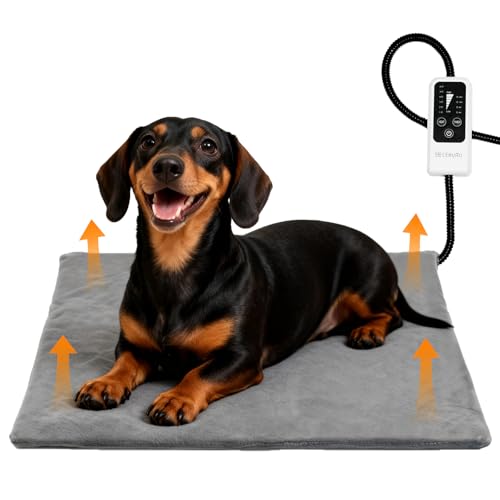
BECEMURU Heated Dog Beds for Arthritis
Soothing warmth to relax stiff, aching joints
Senior Dog Wellness & Care Planner
Track your aging dog's health, meds, vet visits, mobility, nutrition, and quality of life — all in one printable planner.
Understanding Arthritis in Dogs
Arthritis, technically called osteoarthritis or degenerative joint disease, occurs when the cartilage that cushions the joints breaks down over time. Cartilage is the smooth, slippery tissue that allows bones to glide past each other without friction. When it wears away, bone rubs against bone, causing inflammation, pain, and progressive loss of joint function.
The joints most commonly affected in dogs are the hips, knees (stifles), elbows, shoulders, and spine. Most senior dogs have arthritis in more than one joint, and the condition tends to worsen over time as more cartilage is lost and the body's inflammatory response becomes chronic.

Recognizing the Signs
Dogs are masters at hiding discomfort, a survival instinct that unfortunately means many arthritic dogs do not receive support until the condition has advanced significantly. Learning to recognize the early and subtle signs allows you to intervene sooner.
Early Signs (Often Missed)
- Slightly slower pace on walks, gradually declining over weeks or months
- Brief stiffness when first getting up that resolves within a few minutes
- Occasional reluctance to jump onto furniture they previously accessed easily
- Subtle changes in how they sit or lie down, favoring certain positions
- Mild behavioral changes like being less playful or slightly more irritable
Moderate Signs (More Noticeable)
- Consistent stiffness after rest that takes longer to resolve
- Clear reluctance to climb stairs, jump, or engage in active play
- Visible limping, especially noticeable after exercise
- Difficulty rising from lying down, sometimes requiring multiple attempts
- Licking or chewing at specific joints
- Changes in muscle mass, particularly in the hind legs
Advanced Signs
- Significant lameness or obvious pain during movement
- Inability to perform daily activities without assistance
- Audible grinding or popping in the joints
- Major behavioral changes including depression, appetite loss, or aggression when touched
- Muscle wasting that is visible even to a casual observer
Lifestyle Modifications That Matter Most
Weight Management
If there is one thing that makes the biggest difference for an arthritic dog, it is maintaining a healthy weight. Every extra pound increases the load on already painful joints. Research has shown that lean dogs live longer and develop arthritis symptoms later than overweight dogs. If your dog is carrying extra weight, a carefully managed weight loss plan can reduce pain and improve mobility more dramatically than many other interventions.
Work with your veterinarian to determine your dog's ideal weight and create a nutrition plan that achieves gradual, safe weight loss. Reducing treats, adjusting portion sizes, and switching to a weight management formula are common starting points.
Exercise Modification
Exercise is not the enemy of arthritis; inappropriate exercise is. Regular, gentle movement keeps joints lubricated, maintains muscle mass that supports the joints, and prevents the stiffness that comes with inactivity. The goal is to find the right balance.
Ideal exercises for arthritic dogs include short leash walks at a comfortable pace, swimming in warm water, gentle play on soft surfaces, and controlled range-of-motion exercises. The key principles are consistency over intensity, soft surfaces over hard, flat terrain over hills, and multiple short sessions over single long ones.
Watch your dog's response to exercise. A good session leaves them slightly tired but not sore. If your dog seems more stiff or reluctant the day after exercise, the session was too long or too intense. Adjust accordingly.

Home Environment
Your home environment has an enormous impact on an arthritic dog's comfort. Simple changes that cost little or nothing can make daily life significantly easier:
- Place non-slip rugs on all smooth floor surfaces your dog walks on
- Provide ramps to furniture and vehicles instead of requiring jumping
- Move food and water bowls to the level where your dog does not need to climb stairs to reach them
- Ensure your dog has a warm, padded sleeping area away from drafts
- Consider raised food bowls to reduce neck strain during meals
Products That Support Arthritic Dogs
Orthopedic Beds
An orthopedic bed is one of the most impactful purchases for an arthritic dog. Memory foam or high-density foam beds support the joints, distribute body weight evenly, and reduce the pressure points that cause pain during rest. Look for beds with at least 4 inches of supportive foam and a washable, waterproof cover.
Heated beds add another dimension of comfort. Warmth increases blood flow to the joints, reduces stiffness, and many arthritic dogs gravitate toward heat sources instinctively. Heated dog beds are designed to be safe for unsupervised use with auto-shutoff features and chew-resistant cords.
Comfort Products for Arthritic Dogs
- Memory Foam Orthopedic Dog Beds - Joint-relieving support during rest
- Heated Dog Beds for Arthritis - Soothing warmth for stiff joints
- Waterproof Orthopedic Dog Beds - Easy to clean for incontinence issues
Joint Supplements
Joint supplements are among the most widely used products for arthritic dogs. While they are not medications and their effects are supportive rather than curative, many owners and veterinarians observe improvement in comfort and mobility when supplements are used consistently over time.
The most common ingredients in canine joint supplements include:
- Glucosamine: An amino sugar that is a building block of cartilage
- Chondroitin: A component of cartilage that helps it retain water and elasticity
- Omega-3 fatty acids: Found in fish oil, these support a healthy inflammatory response
- Green-lipped mussel: A natural source of glycosaminoglycans and omega-3s
- MSM: A sulfur compound associated with joint comfort
- Turmeric/Curcumin: A spice-derived compound with anti-inflammatory properties
Joint Supplements
- Glucosamine and Chondroitin Supplements - Core joint support ingredients
- Fish Oil Omega-3 for Dogs - Supports healthy inflammatory response
- Joint Supplement Chews for Senior Dogs - Multi-ingredient soft chew supplements
Thermal and Massage Products
Heat therapy can be wonderfully soothing for arthritic joints. Beyond heated beds, products like microwaveable heat packs designed for dogs can be applied to specific joints for targeted relief. Some owners use warm towels or heating pads (on low, with supervision) for the same effect.
Gentle massage can also help by improving circulation, relaxing tense muscles that guard painful joints, and providing comforting contact. You do not need special training to provide a basic massage. Slow, gentle strokes along the muscles surrounding the affected joints, without pressing directly on the joint itself, can provide noticeable comfort.

Working with Your Veterinarian
While home management is a cornerstone of arthritis care, your veterinarian plays an essential role. They can confirm the diagnosis, assess the severity, monitor progression, and recommend appropriate medical management when lifestyle changes alone are not sufficient.
Veterinary options for arthritis management include prescription anti-inflammatory medications, pain management protocols, physical rehabilitation, laser therapy, acupuncture, and in some cases, injections that support joint health. The specifics depend on your dog's individual situation, and your veterinarian is the best guide for these decisions.
Regular check-ups, typically every six months for a senior dog with arthritis, allow your veterinarian to track changes and adjust the management plan. What works today may need modification in six months as the condition evolves.
The Long View
Arthritis is a condition that you manage over the long term, and the approach needs to evolve as your dog's needs change. What matters is not achieving perfection but consistently making choices that support your dog's comfort and happiness.
Keep nails trimmed, keep weight in check, keep exercise gentle and consistent, keep the sleeping area warm and supportive, and keep the lines of communication open with your veterinary team. These are the pillars of good arthritis management, and together they give your senior dog the best chance at comfortable, enjoyable years ahead.
Related Guides
- Senior Dog Joint Supplements Comparison - Compare glucosamine, fish oil, and other popular options for joint support.
- Hip Dysplasia in Older Dogs - Understanding and managing this common condition that often co-occurs with arthritis.
- Managing Chronic Pain in Older Dogs - Broader pain management strategies including beds, supplements, and heat therapy.
Pet Insurance · Sponsored
Protect Your Senior Dog From Surprise Vet Bills
Senior dogs are more likely to face arthritis, lumps, dental disease, and sudden emergencies, and a single visit can run into the hundreds or thousands. Pet insurance can help you say yes to the care your dog needs without draining your savings. Get a free quote and see what coverage fits.
Frequently Asked Questions
How do I know if my senior dog has arthritis?
Common signs include stiffness after rest that improves with movement, reluctance to jump or climb stairs, slower pace on walks, difficulty rising from lying down, limping or favoring certain legs, licking or chewing at joints, and changes in activity level or mood. These signs often develop gradually, making them easy to dismiss as normal aging.
Can arthritis in dogs be cured?
Arthritis cannot be cured because the cartilage damage and joint changes are irreversible. However, it can be managed effectively to minimize pain and maintain mobility. A combination of veterinary-guided treatment, weight management, appropriate exercise, joint supplements, and environmental modifications can significantly improve comfort and quality of life.
At what age do dogs typically develop arthritis?
Arthritis can develop at any age, but it becomes increasingly common after age 7 in large breeds and after age 10 in smaller breeds. Dogs with previous joint injuries, hip or elbow dysplasia, or obesity are more likely to develop arthritis earlier. Some estimates suggest that up to 80 percent of dogs show signs of arthritis by age 8.
Does cold weather make arthritis worse in dogs?
Many owners notice their dogs are stiffer and less comfortable in cold or damp weather. While the exact mechanism is debated, the observation is consistent enough to be taken seriously. Providing a warm sleeping area, a heated bed, and limiting exposure to cold, wet conditions can help during colder months.
Are there natural remedies for arthritis in dogs?
Several natural approaches may support comfort in arthritic dogs. These include omega-3 fatty acids from fish oil, turmeric supplements, green-lipped mussel extract, glucosamine and chondroitin, and gentle physical therapies like swimming and massage. These work best as complementary approaches alongside veterinary care, not as replacements for it.
Should I limit my arthritic dog's exercise?
You should modify exercise, not eliminate it. Regular, gentle exercise is crucial for maintaining muscle mass and joint flexibility. The key is low-impact, consistent activity rather than high-impact or sporadic exercise. Short walks, swimming, and gentle play are beneficial. Avoid activities that involve running, jumping, or sudden direction changes.
How much does arthritis treatment cost for dogs?
Costs vary widely depending on the approach. Monthly expenses might include joint supplements at $20 to $50, veterinary-prescribed medications at $30 to $100, and possibly physical therapy sessions at $50 to $100 each. Home modifications and products like orthopedic beds and ramps are one-time costs ranging from $30 to $200 each. Discuss a budget-conscious plan with your veterinarian.
Need more help with your aging dog?
Browse our guides by topic to find practical solutions.
Wellness Planner — $39