Best Dog Coats for Cold Weather Senior Dogs
Best dog coats for cold weather and senior dogs who get chilly. Sizing guide, waterproof vs fleece materials compared, and top-rated winter coat picks.
Why Senior Dogs Feel the Cold More
If your older dog seems more sensitive to cold than they used to be, you are noticing a real change. Several age-related factors contribute to reduced cold tolerance in senior dogs.
Reduced muscle mass: Muscles generate heat, and senior dogs naturally lose muscle mass as they age. Less muscle means less internal heat production, making it harder for the body to stay warm in cold environments.
Lower body fat: While we do not want our dogs to be overweight, a healthy amount of body fat provides insulation. Some senior dogs become thinner as they age due to reduced appetite, dental issues, or metabolic changes, which reduces their natural insulation layer.
Slower metabolism: A slowing metabolism means the body generates less heat overall. Combined with reduced activity (senior dogs move less and sleep more), there is simply less internal warmth being produced.
Reduced circulation: Aging can affect circulation, meaning extremities like paws, ear tips, and tails receive less warming blood flow. This is why some senior dogs become reluctant to walk on cold surfaces or hold their paws up in the cold.
Joint stiffness: Cold temperatures can make stiff joints feel even more uncomfortable, creating a feedback loop where the dog moves less because of discomfort, generating even less body heat.
Best Dog Coats for Cold Weather

Ceva Waterproof Insulated Dog Coats
Warm and dry protection for winter walks
Ceva Reflective Dog Winter Jackets
Visibility and warmth for dark winter walks

Dogs That Benefit Most from Coats
While any senior dog can benefit from added warmth in cold conditions, certain dogs need it more than others.
- Small breeds: Chihuahuas, Miniature Pinschers, Italian Greyhounds, and similar small breeds have a high surface-area-to-volume ratio, meaning they lose heat faster.
- Short-coated breeds: Greyhounds, Whippets, Boxers, and Dobermans lack the undercoat that provides insulation in double-coated breeds.
- Thin or underweight dogs: Dogs that have lost weight due to age or illness have less insulation.
- Dogs with mobility limitations: Dogs that cannot move around much to generate body heat benefit from external warmth.
- Dogs with short or clipped coats: Any dog whose coat has been clipped short, including for medical reasons, loses significant insulation.
Double-coated breeds like Huskies, Malamutes, and Newfoundlands typically have excellent natural insulation and may not need coats even in cold weather. However, even these breeds can become more cold-sensitive in extreme old age or if they have health conditions that affect their coat quality.
Choosing the Right Material
For Outdoor Use
Waterproof or water-resistant outer shell: Essential for rainy, snowy, or wet conditions. Nylon with a DWR (durable water repellent) coating is a popular choice. It blocks wind and repels moisture while remaining lightweight.
Insulated lining: Fleece, quilted polyester fill, or Sherpa lining provides warmth without excessive bulk. Fleece is the most common and offers a good warmth-to-weight ratio.
Reflective elements: If you walk your senior dog in low-light conditions, reflective strips or piping increase visibility and safety.
For Indoor Use
Lightweight fleece: A simple fleece pullover provides gentle warmth without overheating. Fleece is soft, breathable, and machine-washable.
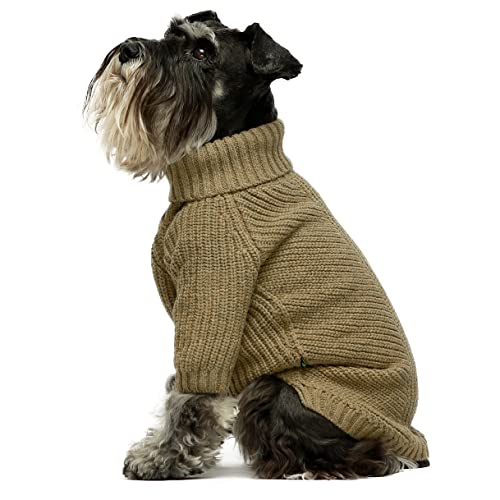
Knit sweaters: Cotton or acrylic knit sweaters are comfortable for indoor use. They provide less warmth than fleece but are often softer and more breathable.
Sizing Guide
Poor fit is the most common reason dog coats do not work well. A coat that is too tight restricts movement and can cause chafing. One that is too loose shifts around, creates tripping hazards, and does not retain warmth effectively.
How to Measure
- Back length: With your dog standing, measure from the base of the neck (where the collar naturally sits) straight along the spine to the base of the tail. This is the primary sizing measurement.
- Chest girth: Measure around the widest part of the chest, just behind the front legs. This ensures the coat will not be too tight around the ribcage.
- Neck circumference: Measure around the base of the neck where the collar sits. Some coats have neck closures that need to fit properly.
Fit Tips
- You should be able to fit two fingers between the coat and your dog's body at any point
- The coat should not extend past the base of the tail (this can cause soiling)
- Leg openings should be large enough to not restrict movement
- Velcro or snap closures are easier to use on senior dogs than pull-over styles
- Check that the coat does not interfere with your dog's ability to go to the bathroom

Our Top Coat Picks
Best Waterproof Winter Coat
A waterproof coat with fleece lining provides maximum protection for winter walks. Look for adjustable belly straps and velcro closures for easy on and off, which is especially important for senior dogs with limited mobility.
Best Lightweight Indoor Sweater
A soft fleece or knit sweater for indoor wear keeps cold-sensitive senior dogs comfortable without overheating. Choose one with a simple design that is easy to put on and take off.
Best Coat for Small Senior Dogs
Small senior dogs need coats sized to fit their proportions. Look for coats designed specifically for small breeds with appropriate chest and back measurements.
Beyond Coats: Complete Cold Weather Care
A coat is one part of keeping your senior dog comfortable in cold weather. Consider these additional measures:
- Paw protection: Dog booties or paw wax protects against cold surfaces, ice, and road salt. Senior dogs with cracked or dry pads are especially vulnerable.
- Heated bed: A heated bed indoors provides a warm retreat after cold outings and helps with joint stiffness.
- Shortened walks: On very cold days, shorter but more frequent walks may be better than one long walk.
- Warm-up time: After coming inside from the cold, give your dog time to warm up on a heated bed or warm blanket before expecting them to be active.
- Draft-free sleeping area: Make sure your dog's bed is away from drafty windows and doors.
Dog Booties for Cold Weather
Paw protection is especially important for senior dogs walking on cold, icy, or salt-treated surfaces. Look for booties with non-slip soles and secure closures.
Introducing a Coat to Your Senior Dog
Some dogs take to wearing a coat immediately, while others need time to adjust. If your senior dog has never worn a coat before, a gradual introduction works best. Start by placing the coat on your dog for just a few minutes at home, offering treats and praise. Gradually increase the wearing time over several days. Most dogs accept a coat within a few sessions once they associate it with warmth and comfort.
If your dog seems genuinely distressed by a coat despite a patient introduction, do not force it. Some dogs simply do not tolerate clothing, and in those cases, managing their environment (shorter outdoor time, heated indoor spaces) may be a better approach than a coat.
Related Guides
- Best Heated Dog Beds for Arthritis - Keep your dog warm indoors too with a heated bed for cold weather stiffness.
- Best Dog Boots for Traction - Pair a coat with boots for complete cold-weather protection.
- Arthritis in Senior Dogs - Cold weather worsens arthritis symptoms, so understand the full picture.
Pet Insurance · Sponsored
Protect Your Senior Dog From Surprise Vet Bills
Senior dogs are more likely to face arthritis, lumps, dental disease, and sudden emergencies, and a single visit can run into the hundreds or thousands. Pet insurance can help you say yes to the care your dog needs without draining your savings. Get a free quote and see what coverage fits.
Frequently Asked Questions
Do senior dogs really need coats in cold weather?
Many senior dogs do benefit from a coat in cold weather. As dogs age, they often lose muscle mass, body fat, and the ability to regulate their body temperature as effectively. Short-coated breeds, small dogs, thin dogs, and dogs with health conditions are especially susceptible to cold. If your senior dog shivers, seems reluctant to go outside, or curls up tightly on cold days, a coat can help.
How do I measure my dog for a coat?
The most important measurement is the back length, measured from the base of the neck (where the collar sits) to the base of the tail. Also measure the chest girth at the widest point behind the front legs. Use these measurements to select the right size from the manufacturer's size chart, as sizing varies significantly between brands.
What material is best for a senior dog coat?
For outdoor use, a water-resistant or waterproof outer layer with a fleece or quilted lining provides the best combination of weather protection and warmth. For indoor use, a lightweight fleece or knit sweater is usually sufficient. Avoid materials that are scratchy or stiff, as senior dogs may have sensitive skin.
Should my senior dog wear a coat indoors?
If your home is kept below 68 degrees Fahrenheit and your senior dog seems cold (shivering, seeking warm spots, curling up tightly), a lightweight indoor sweater or fleece can help. This is especially common with thin, short-coated, or very old dogs. However, if your home is comfortably warm, an indoor coat is usually not necessary.
How do I know if my dog is cold?
Signs that your senior dog is feeling cold include shivering or trembling, reluctance to go outside, seeking warm spots (near heaters, under blankets, in sunny windows), holding up paws while outside, curling into a tight ball while resting, and being less active than usual in cold weather.
Can dogs overheat in a coat?
Yes, it is possible for a dog to overheat in a coat, especially double-coated breeds or during physical activity. Remove the coat when your dog comes indoors to a warm house, and do not use a heavy coat during vigorous exercise. Watch for panting, excessive drooling, or restlessness as signs that your dog is too warm.
Need more help with your aging dog?
Browse our guides by topic to find practical solutions.
Wellness Planner — $39