Senior Pomeranian Care Guide
Complete care guide for aging Pomeranians covering collapsed trachea, luxating patella, dental disease, Alopecia X, and top recommended products.
Pomeranians are tiny dogs with enormous personalities. Bold, curious, and fiercely loyal, your Pom has probably spent their life acting like a dog ten times their size. As they enter the senior years, that same spirit is still there, but the body may need a little more support. From the honking cough of a collapsing trachea to the dental challenges that plague all toy breeds, aging Pomeranians face a unique set of health concerns. This guide covers the breed-specific issues your senior Pom is most likely to encounter and the best strategies to keep them comfortable, healthy, and full of life for years to come.
Top Picks for Senior Pomeranians
Ultra-soft mesh harness that eliminates tracheal pressure, essential for Pomeranians with collapsed trachea.
Virbac C.E.T. Enzymatic Toothpaste
Veterinary enzymatic toothpaste designed for daily brushing to combat toy breed dental disease.

Ceva Wellness CORE Small Breed Senior
High-protein, grain-free senior formula designed for small breed nutritional needs.
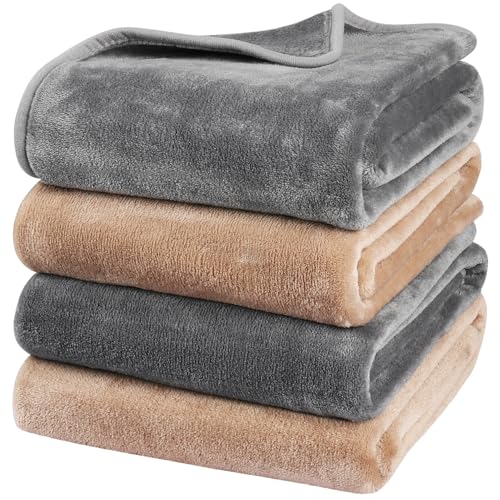
Warm, lightweight fleece vest perfect for senior Pomeranians who need extra warmth.
When Is a Pomeranian Considered Senior?
Pomeranians typically enter their senior years between 8 and 10 years of age. As a toy breed with an average lifespan of 12-16 years, Pomeranians are among the longer-lived dogs, and many remain active and spirited well into their teens. The onset of senior-related changes tends to be gradual, with subtle signs like slightly less enthusiasm for walks, increased sleeping, or occasional stiffness after rest.
Once your Pom reaches 8, schedule biannual veterinary visits that include dental assessment, joint evaluation, and bloodwork to screen for organ function changes. Because Pomeranians are skilled at hiding discomfort, regular professional checkups are essential for catching age-related conditions early.

Collapsed Trachea: Managing the Honking Cough
Collapsed trachea is one of the most common and recognizable conditions in Pomeranians. The cartilage rings that hold the trachea (windpipe) open progressively weaken and flatten, causing the trachea to partially collapse during breathing. This produces a distinctive honking or goose-like cough that is often triggered by excitement, pulling on a leash, drinking water, or exercise.
While collapsed trachea can appear at any age, it typically worsens in the senior years as the cartilage continues to deteriorate. Weight gain compounds the problem by adding pressure to the airway.
Management Strategies
- Use a harness exclusively: A harness distributes pressure across the chest, eliminating tracheal compression from a collar
- Maintain ideal weight: Excess weight increases pressure on the weakened trachea
- Control environmental irritants: Avoid smoke, strong perfumes, and dusty environments
- Manage excitement: Calm, predictable routines reduce coughing episodes triggered by excitement
- Medications: Cough suppressants, bronchodilators, and anti-inflammatories may be prescribed
- Humidity: A humidifier can help ease breathing in dry environments
In severe cases where medical management is insufficient, surgical placement of a tracheal stent can dramatically improve breathing. Discuss this option with your veterinarian if coughing episodes are frequent or severe.
Respiratory and Comfort Essentials
- Step-In Harnesses for Toy Breeds - Trachea-safe walking solutions for Pomeranians
- Quiet Room Humidifiers - Ease breathing in dry environments
- Natural Cough Support for Dogs - Soothing supplements for tracheal irritation
Luxating Patella: The Slipping Kneecap
Luxating patella is a condition where the kneecap (patella) slides out of its normal position, and Pomeranians have one of the highest rates among all breeds. You may notice your Pom suddenly skip a step or hold one hind leg up while walking, then return to normal as the kneecap pops back into place. In the senior years, repeated luxation has typically worn down the cartilage, leading to chronic arthritis in the affected knee.
Grades of Luxating Patella
- Grade 1: Kneecap can be manually luxated but returns on its own
- Grade 2: Kneecap luxates during activity and sometimes stays out
- Grade 3: Kneecap is out most of the time but can be manually replaced
- Grade 4: Kneecap is permanently luxated and cannot be repositioned
For senior Poms with Grade 1-2 luxation, management typically includes joint supplements, maintaining lean body weight, gentle exercise, and anti-inflammatory support. Grade 3-4 may require surgical correction, though the decision should factor in the dog's overall health and age. A knee brace can provide support during walks.
Dental Disease: A Toy Breed Battle
Pomeranians are among the breeds most severely affected by dental disease, and by the senior years, many have significant tartar buildup, gum recession, loose teeth, and potentially tooth loss. The root cause is anatomical: Pomeranians have the same number of teeth as a Labrador crammed into a jaw a fraction of the size, leading to crowding, overlapping, and trapped food debris.
Untreated dental disease is not just a mouth problem. Bacteria from infected gums enter the bloodstream and can damage the heart, kidneys, and liver over time. A thorough dental care routine is essential:
- Daily brushing with a finger brush and enzymatic toothpaste
- Dental water additives to reduce bacterial buildup
- Size-appropriate dental chews (avoid hard bones that can fracture teeth)
- Professional dental cleanings as recommended by your vet

Alopecia X: The Mystery Hair Loss
Alopecia X, sometimes called "black skin disease" or "coat funk," is a cosmetic condition that is particularly common in Pomeranians. It causes progressive, symmetrical hair loss that typically begins on the trunk and thighs while sparing the head and legs. The exposed skin often darkens to a blue-black color. While not painful or dangerous, Alopecia X can change your Pom's appearance significantly and may make them more sensitive to temperature extremes.
The exact cause remains unclear, with theories involving adrenal gland hormones, growth hormone, and thyroid function. Treatment options include melatonin supplementation (which helps some dogs regrow fur), and various hormonal therapies with mixed results. Regardless of treatment, protect exposed skin with sweaters and coats in cold weather and dog-safe sunscreen in sunny conditions.
Nutrition and Weight Management
Senior Pomeranians need a small-breed senior formula with appropriately sized kibble, high-quality protein for muscle maintenance, and controlled calories to prevent weight gain. Small-breed dogs have faster metabolisms, so they need more nutrient-dense food per pound of body weight. Feed measured portions two to three times daily rather than free-feeding, and choose treats wisely.
Even a small amount of excess weight is significant on a Pomeranian's tiny frame. A Pom that should weigh 5 pounds but weighs 7 pounds is carrying 40% more than their ideal weight, which is equivalent to a 150-pound person weighing 210 pounds. Monitor weight monthly and adjust food portions as needed.
Dental and Grooming Care
- Finger Toothbrush and Enzymatic Toothpaste Kit - Daily dental care made easy for tiny mouths
- Gentle Slicker Brush for Pomeranians - Maintain coat health without irritating aging skin
- Extra-Small Dog Sweaters - Essential warmth for senior Poms, especially with Alopecia X
Creating a Safe Home
Senior Pomeranians benefit from a home that accommodates their small size and aging body. Provide small ramps or pet stairs to access furniture, as jumping can stress luxating patellas. Keep the home at a comfortable temperature, and use night lights in hallways to help with diminishing eyesight. An orthopedic bed sized for toy breeds provides joint support without overwhelming a small dog.
Mental stimulation remains important for senior Poms. Small puzzle toys, gentle training sessions, and short sniff walks keep their alert, curious minds engaged.

Related Senior Dog Care Guides
- Dental Care for Older Dogs - Complete dental health guide for aging dogs
- Arthritis in Senior Dogs - Managing joint pain from luxating patella and more
- Harness vs. Collar for Senior Dogs - Why harnesses are critical for trachea health
- Common Health Problems in Senior Dogs - Overview of age-related conditions
Pet Insurance · Sponsored
Protect Your Senior Dog From Surprise Vet Bills
Senior dogs are more likely to face arthritis, lumps, dental disease, and sudden emergencies, and a single visit can run into the hundreds or thousands. Pet insurance can help you say yes to the care your dog needs without draining your savings. Get a free quote and see what coverage fits.
Frequently Asked Questions
At what age is a Pomeranian considered a senior?
Pomeranians are typically considered senior around 8-10 years of age. As a toy breed, Pomeranians have an average lifespan of 12-16 years, with many living well into their mid-teens. Their small size means they age more slowly than larger breeds, but breed-specific conditions like collapsed trachea and luxating patella can develop or worsen in the senior years.
What is collapsed trachea and how is it treated?
Collapsed trachea occurs when the cartilage rings that support the windpipe weaken and flatten, causing the trachea to partially collapse. This leads to a distinctive honking cough, especially when excited, pulling on a leash, or drinking water. Treatment includes using a harness instead of a collar, maintaining a healthy weight, cough suppressants, and in severe cases, surgical placement of a tracheal stent.
What is luxating patella in Pomeranians?
Luxating patella is a condition where the kneecap slides out of its normal groove, causing intermittent lameness. Pomeranians have one of the highest rates of this condition among all breeds. In senior dogs, the repeated luxation leads to arthritis and chronic knee pain. Mild cases are managed with joint supplements and weight control; severe cases may require surgery.
How can I manage dental disease in my senior Pomeranian?
Toy breeds like Pomeranians are extremely prone to dental disease due to crowded teeth in a small jaw. Daily brushing with a dog-specific toothpaste, dental water additives, and appropriate dental chews are essential. Professional cleanings under anesthesia may be needed, though your vet should carefully evaluate anesthetic risk for seniors. Untreated dental disease can lead to tooth loss and organ damage.
What is Alopecia X in Pomeranians?
Alopecia X, sometimes called 'black skin disease,' is a cosmetic condition that causes progressive hair loss, typically starting on the trunk while sparing the head and legs. The exposed skin often darkens. While not painful or life-threatening, it is particularly common in Pomeranians. The exact cause is unclear but may involve hormonal imbalances. Treatment options include melatonin and various medications, with mixed results.
How do I keep my senior Pomeranian warm in winter?
Despite their fluffy appearance, senior Pomeranians can struggle with temperature regulation as they age, especially if they have Alopecia X. Invest in quality dog sweaters or coats for outdoor walks, provide a warm bed away from drafts, and consider a heated dog bed for cold months. Limit outdoor time in extreme cold, and watch for shivering as a sign your Pom needs to come inside.
How much exercise does a senior Pomeranian need?
Senior Pomeranians benefit from 15-20 minutes of gentle exercise twice daily. Short walks, light indoor play, and mental stimulation through puzzle toys are ideal. Watch for signs of respiratory distress (especially if your Pom has tracheal issues), fatigue, or limping. Avoid overexertion and extreme temperatures.
Need more help with your aging dog?
Browse our guides by topic to find practical solutions.
Wellness Planner — $39