Senior Bernese Mountain Dog Care Guide
Essential care guide for aging Bernese Mountain Dogs covering cancer risks, short lifespan, hip and elbow dysplasia, and recommended XL products.
Bernese Mountain Dogs are among the most gentle, devoted, and beautiful breeds in the world. With their tri-color coats and soulful eyes, they win hearts instantly. But owning a Berner means confronting a painful reality: this magnificent breed has one of the shortest lifespans of any dog, averaging just 6-8 years. The primary culprit is an extraordinarily high rate of cancer, compounded by hip and elbow dysplasia that can compromise quality of life well before the average age of death. This guide is written to help you make every single year count, with practical strategies for early cancer detection, aggressive joint management, and the products that best support your big, beautiful senior Berner.
Top Picks for Senior Bernese Mountain Dogs
Big Barker XL Orthopedic Dog Bed
10-inch thick therapeutic foam bed designed for giant breeds. Won't flatten over time. American-made with a 10-year warranty.
Nutramax Dasuquin with MSM for Large Dogs
Vet-recommended advanced joint supplement with glucosamine, chondroitin, ASU, and MSM for maximum joint support.
Zesty Paws Senior Advanced Multivitamin
Comprehensive senior supplement with antioxidants, glucosamine, CoQ10, and immune-supporting vitamins.
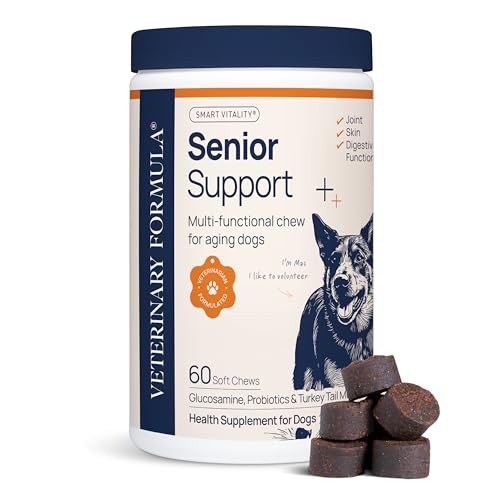
Veterinary Formula K9 Natural Cancer Support Supplement
Immune-boosting supplement with medicinal mushroom blend (turkey tail, reishi, shiitake) for cancer-prone breeds.
When Is a Bernese Mountain Dog Considered Senior?
Bernese Mountain Dogs enter their senior years earlier than almost any other breed, typically between 5 and 6 years of age. With an average lifespan of just 6-8 years (some studies place the median even lower at 7 years), a Berner is middle-aged at 4 and senior by 5-6. This compressed timeline makes early and aggressive health monitoring absolutely essential.
Begin biannual veterinary checkups by age 4-5, including comprehensive bloodwork, thorough physical examinations with palpation for lumps, and orthopedic assessments. Some owners of Berners opt for annual imaging (radiographs or ultrasound) to screen for internal tumors that might not be palpable during a physical exam. The earlier a problem is detected, the more options you have.

Cancer: The Berner's Greatest Battle
The cancer rate in Bernese Mountain Dogs is staggering. Studies consistently show that approximately 50% of all Berners die from cancer, a rate that is roughly double the already-high canine average. The most devastating type is histiocytic sarcoma, an aggressive cancer of the immune system cells that affects up to 25% of Bernese Mountain Dogs and is far more common in this breed than in any other. Other common cancers include lymphoma, mast cell tumors, and osteosarcoma.
Early Detection: Your Most Powerful Tool
While you cannot prevent the genetic predisposition, early detection can sometimes make the difference between a treatable condition and a terminal one. Adopt a rigorous monitoring protocol:
- Monthly body checks: Run your hands over every inch of your Berner, feeling for new lumps, bumps, or swellings
- Monitor behavioral changes: Unexplained lethargy, appetite loss, weight loss, or lameness can be early cancer signs
- Biannual vet visits: Professional examination plus bloodwork can catch internal changes
- Consider imaging: Annual abdominal ultrasound and chest radiographs can detect internal tumors early
- Lymph node checks: Feel under the jaw, in front of the shoulders, and behind the knees for enlargement
For an in-depth discussion of detection and treatment options, see our comprehensive cancer in senior dogs guide.
Immune Support and Cancer-Fighting Nutrition
While no supplement can prevent cancer, there is growing evidence that certain nutritional strategies may support the immune system's ability to detect and fight abnormal cells. Medicinal mushroom blends containing turkey tail, reishi, and shiitake have shown promise in veterinary studies. Omega-3 fatty acids from fish oil have anti-inflammatory properties that may help create a less cancer-friendly environment. A diet rich in antioxidants (blueberries, turmeric, dark leafy greens) supports overall immune function. Discuss any supplement protocol with your veterinarian to ensure it does not interfere with any treatments.
Cancer Support and Immune Health
- Medicinal Mushroom Supplements for Dogs - Immune-boosting mushroom blends studied for cancer support
- High-Potency Omega-3 Fish Oil for Large Breeds - Anti-inflammatory support for the whole body
- Antioxidant Supplements for Senior Dogs - Support cellular health and immune function
Hip and Elbow Dysplasia
Hip and elbow dysplasia are extremely common in Bernese Mountain Dogs, with the breed consistently ranking among the most affected by both conditions. The combination of rapid growth, large body size, and genetic predisposition means that the majority of Berners develop at least some degree of joint abnormality. By the senior years, this typically manifests as significant osteoarthritis that can severely impact mobility and quality of life.
Comprehensive Joint Management
- Weight control: Arguably the single most important factor. Even modest weight loss reduces joint stress significantly in a dog this size.
- Joint supplements: Start glucosamine and chondroitin before your Berner shows symptoms. Add MSM and omega-3s for additional anti-inflammatory support.
- Orthopedic bedding: An XL orthopedic bed with at least 7 inches of supportive foam is essential. The bed must be large enough that your Berner can fully stretch out.
- Low-impact exercise: Swimming, leash walks on soft ground, and gentle play. Avoid activities involving jumping, hard surfaces, or sudden stops.
- Physical therapy: Hydrotherapy, laser therapy, and targeted exercises can strengthen supporting muscles and maintain range of motion.
- Pain management: Work with your vet on an appropriate regimen which may include NSAIDs, gabapentin, or other pain medications.

Nutrition for the Senior Berner
Feeding a senior Bernese Mountain Dog requires attention to multiple needs simultaneously. Choose a large-breed senior formula with high-quality, lean protein to maintain muscle mass, controlled calories to prevent weight gain, omega-3 fatty acids for joint and coat health, and added glucosamine and chondroitin. Antioxidant-rich ingredients support the immune system, which is especially important for a cancer-prone breed.
Monitor your Berner's weight closely: because their thick coat can hide weight changes, regularly feel for the ribs (they should be palpable under a thin layer of fat) and schedule monthly weigh-ins. For more guidance, see our best food for senior dogs guide.
Temperature Sensitivity
Bernese Mountain Dogs were bred for the cool Swiss Alps, and their thick double coat makes them vulnerable to overheating. Senior Berners are even more heat-sensitive as their cardiovascular system becomes less efficient. Keep your home cool, provide ample shade and water outdoors, and exercise only during the coolest parts of the day. A cooling mat can provide welcome relief during warm months. In winter, their coat serves them well, but arthritic joints may stiffen more in cold, damp weather.
Making the Most of Every Moment
Owning a Bernese Mountain Dog means accepting a shorter journey while making it as rich as possible. These dogs give everything they have to their families, and they deserve every effort in return. Regular veterinary monitoring, aggressive management of joint disease, vigilant cancer screening, and a home full of comfort and love are the best gifts you can give your aging Berner.
If you are facing a cancer diagnosis with your Berner, our quality of life scale and how to know when it is time guides offer compassionate support during the most difficult decisions.
Related Senior Dog Care Guides
- Cancer in Senior Dogs - Comprehensive guide to detection, treatment, and quality of life
- Hip Dysplasia in Older Dogs - In-depth management strategies for large breeds
- Best Beds for Large Senior Dogs - Product reviews for giant breed bedding
- Quality of Life Scale for Dogs - A compassionate assessment tool
Pet Insurance · Sponsored
Protect Your Senior Dog From Surprise Vet Bills
Senior dogs are more likely to face arthritis, lumps, dental disease, and sudden emergencies, and a single visit can run into the hundreds or thousands. Pet insurance can help you say yes to the care your dog needs without draining your savings. Get a free quote and see what coverage fits.
Frequently Asked Questions
At what age is a Bernese Mountain Dog considered a senior?
Bernese Mountain Dogs are considered senior as early as 5-6 years of age, which is significantly earlier than most other breeds. Their tragically short average lifespan of 6-8 years means that they age much faster than smaller breeds. Biannual veterinary checkups should begin by age 4-5 to monitor for the cancer and joint problems that so commonly affect this breed.
Why do Bernese Mountain Dogs have such short lifespans?
The primary reason is the breed's extraordinarily high cancer rate. Studies show that approximately 50% of Bernese Mountain Dogs die from cancer, with histiocytic sarcoma being particularly devastating and nearly unique to the breed. Hip and elbow dysplasia, kidney disease, and other conditions also contribute. Responsible breeding, cancer screening, and proactive health management can help maximize lifespan.
What types of cancer are most common in Bernese Mountain Dogs?
Histiocytic sarcoma is the most devastating, affecting up to 25% of Berners and being far more common in this breed than any other. Other common cancers include lymphoma, mast cell tumors, and osteosarcoma (bone cancer). Regular veterinary exams, monitoring for lumps and behavioral changes, and early diagnostic workup of any abnormalities give the best chance of early detection.
How can I manage my Bernese Mountain Dog's hip dysplasia?
Managing hip dysplasia in senior Berners requires a comprehensive approach: maintaining a lean body weight to reduce joint stress, daily joint supplements with glucosamine and chondroitin, an extra-large orthopedic bed for supportive rest, low-impact exercise like swimming, anti-inflammatory medications as prescribed by your vet, and potentially physical therapy or hydrotherapy for more severe cases.
What should I feed my senior Bernese Mountain Dog?
Choose a high-quality large-breed senior formula with lean protein for muscle maintenance, omega-3 fatty acids for joint and coat health, added glucosamine and chondroitin, and antioxidant-rich ingredients. Avoid overfeeding, as obesity compounds joint problems. Some owners supplement with cancer-fighting antioxidants and anti-inflammatory foods, though always consult your vet before adding supplements.
How much exercise does a senior Bernese Mountain Dog need?
Senior Berners still benefit from 30-40 minutes of daily moderate exercise, but adjust to your individual dog's abilities. Short, gentle walks on soft surfaces are ideal. Swimming is excellent for joint health. Avoid prolonged exercise in warm weather, as Berners overheat easily. Watch for signs of fatigue and let your dog set the pace rather than pushing them.
Need more help with your aging dog?
Browse our guides by topic to find practical solutions.
Wellness Planner — $39