Cancer in Senior Dogs — Signs and What to Expect
Cancer in senior dogs signs to watch for: lumps, weight loss, and appetite changes. Learn what to expect after diagnosis and how to support your dog.
Few words carry as much emotional weight as "cancer." When a veterinarian mentions this possibility about your senior dog, it is natural to feel a wave of fear, sadness, and helplessness. But cancer in dogs, like cancer in humans, is not a single disease. It encompasses a wide range of conditions that vary enormously in their behavior, prognosis, and treatability.
Some cancers in dogs are highly treatable. Others are slow-growing and may never significantly impact quality of life. And yes, some are aggressive and difficult. Understanding this spectrum is the first step toward replacing overwhelming fear with informed, compassionate decision-making. This guide aims to provide that foundation of understanding.
Comfort Products During Cancer Treatment

Rainmr Orthopedic Dog Bed for Recovery
Supportive rest during treatment and recovery

Ceva Appetite Stimulant Dog Food Topper
Entice eating during treatment side effects
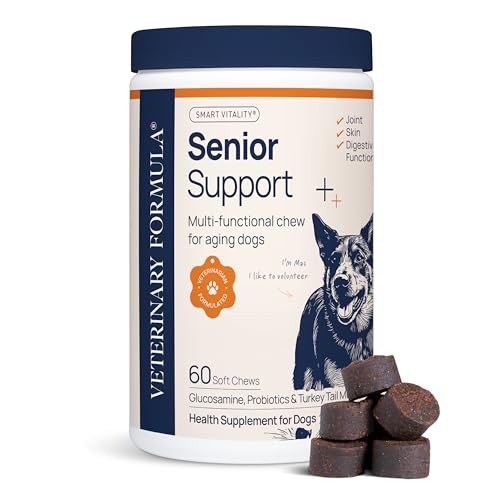
Veterinary Formula Immune Support Dog Supplement
Nutritional support for overall immune health

Haven Pet Insurance for Senior Dogs.Coverage for accidents, illness, and the chronic conditions that drive the biggest senior-dog vet bills. Get a fast, free quote using your dog’s breed, age, and zip, then see your monthly premium before you commit.Sponsored
Common Types of Cancer in Senior Dogs
While there are many types of cancer that can affect dogs, certain forms are seen more frequently in aging populations. Understanding the most common types provides helpful context if your dog receives a diagnosis.
Lymphoma
Lymphoma is one of the most commonly diagnosed cancers in dogs. It affects the lymphatic system, a network of tissues and organs that play a role in immune function. The most common form presents as painless, enlarged lymph nodes, which owners may notice as swellings under the jaw, in front of the shoulders, or behind the knees. Some forms affect internal organs and may present with less obvious signs like decreased appetite, weight loss, or changes in breathing.
Lymphoma is one of the more responsive cancers to treatment. Many dogs with lymphoma respond well to chemotherapy protocols, and treatment can often provide significant periods of good-quality time. It is a condition where consultation with a veterinary oncologist can be particularly valuable.
Mast Cell Tumors
Mast cell tumors are the most common skin tumors in dogs. They can appear as lumps on or just under the skin and can vary dramatically in their behavior. Some are low-grade and can be effectively treated with surgical removal alone. Others are high-grade and may require additional treatment. The grade of the tumor, determined by a pathologist after biopsy, is the most important factor in predicting behavior.
Mast cell tumors are one reason why every new lump on your dog should be evaluated. They can mimic the appearance of benign lumps, and early identification and treatment of a mast cell tumor generally leads to a better outcome.
Osteosarcoma
Osteosarcoma is the most common bone cancer in dogs and is seen primarily in large and giant breeds. It most often affects the long bones of the legs and typically presents with lameness and swelling in the affected area. Osteosarcoma tends to be aggressive and is an area where advances in veterinary oncology continue to improve available options.
Hemangiosarcoma
Hemangiosarcoma is a cancer of the blood vessel lining and most commonly affects the spleen, heart, or liver. It is particularly common in German Shepherds, Golden Retrievers, and Labrador Retrievers. This cancer is often diagnosed suddenly when an internal tumor bleeds, causing acute symptoms such as collapse, pale gums, or a distended abdomen. It is one of the more challenging cancers due to its tendency to spread before it is detected.
Soft Tissue Sarcomas
These tumors arise from connective tissues such as muscle, fat, and nerves. They often appear as firm masses under the skin and tend to grow locally and invasively. Many soft tissue sarcomas are treatable with wide surgical removal, and the prognosis depends on the tumor type, grade, and completeness of surgical removal.
Signs to Watch For
Being aware of the warning signs of cancer helps you seek timely veterinary evaluation. The following are general signs that warrant attention. They are not specific to cancer and can have many other causes, but they should not be ignored, especially in a senior dog.
- New lumps or bumps: Any new growth, particularly one that grows rapidly, changes in appearance, or seems fixed to deeper tissues.
- Unexplained weight loss: Losing weight despite eating normally, or gradual weight loss over time.
- Changes in appetite: Decreased interest in food, difficulty eating or swallowing, or dropping food.
- Persistent lameness: Limping that does not resolve with rest, especially in a large breed dog.
- Non-healing wounds: Sores or wounds that do not heal within a normal timeframe.
- Breathing changes: A persistent cough, difficulty breathing, or exercise intolerance.
- Abdominal swelling: A distended belly that develops without obvious weight gain.
- Changes in behavior: Withdrawal, lethargy, or a general sense that your dog "just is not right."
Regular hands-on checks of your dog's body, including running your hands along their sides, legs, neck, and belly, can help you detect lumps early. Many owners incorporate this into their daily petting routine.

After a Diagnosis: Understanding Your Options
A cancer diagnosis opens a conversation about options, and there are usually several paths to consider. Your veterinarian or a veterinary oncologist can outline the choices and help you weigh the pros and cons of each based on your specific situation.
Treatment Options
Treatment may include surgery to remove the tumor, chemotherapy to treat cancers that have spread or are systemic, radiation therapy for localized tumors, or combinations of these approaches. The goal in veterinary oncology is typically to maximize quality time rather than pursue aggressive treatment at the expense of comfort.
Palliative and Comfort Care
For some dogs and some situations, the most appropriate path is comfort-focused care that prioritizes quality of life without pursuing aggressive treatment. This is not giving up. It is making a deliberate, compassionate choice to focus on your dog's daily comfort and enjoyment. Palliative care may include pain management, nutritional support, and medications to manage specific symptoms.
Making the Decision
There is no universally right answer when it comes to cancer treatment decisions. Consider your dog's age and overall health, the type and stage of cancer, the likely outcome and potential side effects of treatment, your dog's temperament and how they handle veterinary visits and medication, and your family's emotional and financial capacity. A good veterinarian or oncologist will never pressure you. They will present the information and support whatever decision you make.
Supporting Your Dog's Comfort at Home
Regardless of the treatment path you choose, home care plays a vital role in your dog's quality of life. Focus on the things that bring your dog comfort and joy.
Pain Management
Work with your veterinarian to ensure your dog's pain is well managed. Cancer can cause discomfort both from the disease itself and from some treatments. There are effective pain management options available, and no dog should live with unmanaged pain. If you suspect your dog is uncomfortable, do not wait for the next scheduled appointment to raise the concern.
Nutrition and Appetite
Maintaining adequate nutrition supports your dog's strength, immune function, and overall well-being. Dogs with cancer may have decreased appetites, so making food appealing is important. Warming food slightly to enhance its aroma, offering small frequent meals, and trying different textures can help. Your veterinarian may recommend a specific diet or nutritional supplements.
Comfort and Nutrition Products
- Orthopedic Memory Foam Dog Beds - Comfortable, supportive rest for dogs who need extra cushioning
- High-Calorie Nutritional Supplements for Dogs - Support for dogs with decreased appetite
- Soft Washable Fleece Dog Blankets - Cozy comfort for resting
Adapting the Environment
As your dog's energy and abilities may change, adapt your home to meet their evolving needs. Place food, water, and bedding in easily accessible locations. Use ramps if they have difficulty with stairs. Provide non-slip surfaces if they are unsteady on their feet. The goal is to minimize frustration and maximize comfort.
Home Adaptation Products
- Adjustable Dog Ramps - Help your dog navigate the home safely
- Reusable Washable Pee Pads - Practical for dogs with incontinence or mobility challenges
Maintaining Connection
Your dog does not understand their diagnosis. What they understand is your presence, your voice, your touch, and the rhythm of their daily life. Maintain as much normalcy as possible. If your dog enjoys car rides, keep taking them. If they love lying in the sun, make sure they have access to their favorite sunny spot. These small pleasures matter enormously.

Quality of Life Assessment
Monitoring your dog's quality of life helps guide decisions throughout the cancer journey. Consider tracking daily whether your dog ate and how much, their energy level and engagement, their comfort and mobility, their enjoyment of activities, and any signs of pain or distress. Looking at these factors over days and weeks gives you a clearer picture than any single day can provide.
Your veterinarian can provide quality-of-life scales and help you interpret what you are observing. Having regular, honest conversations with your veterinary team about how your dog is doing helps ensure that care decisions remain aligned with your dog's actual experience.
Taking Care of Yourself
Caring for a dog with cancer is emotionally demanding. Give yourself permission to feel the full range of emotions: sadness, fear, anger, and even guilt about decisions you have to make. These feelings are normal and do not mean you are doing anything wrong.
Lean on your support network. Talk to friends and family who understand the bond you share with your dog. Consider pet loss support resources, which are available long before a loss occurs and can help you navigate the anticipatory grief that accompanies a serious diagnosis. Your emotional well-being matters not just for your own sake, but because your dog relies on you to be their calm, loving constant through whatever lies ahead.
A cancer diagnosis is not the end of your dog's story. For many dogs, there are still chapters of comfort, connection, and quiet joy ahead. Your role is to ensure those chapters are as good as they can be, guided by your love for your dog and informed by your partnership with your veterinary team.
Related Guides
- Quality of Life Scale for Dogs - Assess your dog's quality of life throughout cancer treatment.
- Pet Hospice Care at Home - Comfort care options when curative treatment is not the path.
- Common Health Problems in Senior Dogs - Cancer in the context of other senior health conditions.
Pet Insurance · Sponsored
Protect Your Senior Dog From Surprise Vet Bills
Senior dogs are more likely to face arthritis, lumps, dental disease, and sudden emergencies, and a single visit can run into the hundreds or thousands. Pet insurance can help you say yes to the care your dog needs without draining your savings. Get a free quote and see what coverage fits.
Frequently Asked Questions
How common is cancer in senior dogs?
Cancer is one of the leading health concerns in older dogs. Studies suggest that approximately one in four dogs will develop some form of cancer during their lifetime, and the risk increases significantly with age. Certain breeds have higher predispositions, but cancer can affect any dog regardless of breed, size, or background.
What are the most common signs of cancer in dogs?
Warning signs include new lumps or bumps that grow rapidly, sores that do not heal, unexplained weight loss, loss of appetite, difficulty eating or swallowing, persistent lameness or stiffness, difficulty breathing, changes in bathroom habits, bleeding or discharge from any body opening, and a noticeable decline in energy or stamina. Not all of these signs indicate cancer, but they warrant veterinary evaluation.
Are lumps on older dogs always cancer?
No. Many lumps on senior dogs are benign, such as lipomas (fatty tumors), sebaceous cysts, or skin tags. However, there is no way to determine whether a lump is benign or malignant just by looking at it or feeling it. Any new lump, especially one that grows quickly, changes shape, or seems attached to deeper tissues, should be evaluated by your veterinarian. A fine-needle aspirate is a simple test that can often provide initial information.
Should I treat my old dog's cancer?
This is a deeply personal decision that depends on the type and stage of cancer, your dog's age and overall health, the expected outcomes of treatment, potential side effects, and your dog's quality of life. Your veterinarian or a veterinary oncologist can present the options and help you understand what each path might look like. There is no wrong answer. What matters most is making an informed decision that prioritizes your dog's comfort and dignity.
Is chemotherapy for dogs similar to human chemotherapy?
Veterinary chemotherapy protocols are generally designed to minimize side effects while providing benefit. The goal in veterinary oncology is usually to extend quality time rather than achieve a cure at any cost. Most dogs tolerate chemotherapy much better than humans do, and severe side effects are less common. Your veterinary oncologist will discuss expected outcomes and side effects specific to the recommended protocol.
How can I keep my dog comfortable if they have cancer?
Focus on maintaining their daily pleasures: comfortable rest, enjoyable meals, gentle affection, and calm interaction. Address pain with your veterinarian's guidance, ensure adequate nutrition and hydration, and adapt the home environment to their changing abilities. Many dogs with cancer continue to enjoy their lives with appropriate supportive care, and your presence and attention mean more to them than you might realize.
When is it time to say goodbye to a dog with cancer?
This is one of the hardest decisions a pet owner faces. Consider whether your dog is still experiencing more good days than bad, whether they still enjoy activities that are meaningful to them, whether their pain and symptoms can be adequately managed, and whether their overall trajectory is one of decline. Your veterinarian can help you assess quality of life and guide you through this decision with compassion and honesty.
Need more help with your aging dog?
Browse our guides by topic to find practical solutions.
Wellness Planner — $39