Senior Australian Shepherd Care Guide
Expert guide to caring for aging Australian Shepherds covering hip dysplasia, MDR1 drug sensitivity, epilepsy, eye problems, and the best products.
Australian Shepherds are brilliant, driven, and deeply loyal dogs. They herd, they compete in agility, they learn tricks you did not even intend to teach them. But when your tireless Aussie starts to slow down, the transition can be striking. That lightning-fast dog who lived for a job now takes longer to get up in the morning, hesitates before jumping into the truck, or seems confused in familiar places. Understanding the breed-specific health challenges that senior Aussies face is the key to keeping them comfortable, engaged, and happy through their golden years. This guide covers everything from the critical MDR1 gene mutation to managing hip dysplasia and keeping that remarkable brain active.
Top Picks for Senior Australian Shepherds
Nutramax Dasuquin Joint Supplement
Veterinarian-recommended advanced joint support with glucosamine, chondroitin, and ASU for medium to large breeds.
7-inch thick therapeutic foam bed that won't flatten, ideal for medium to large breeds with joint pain.
Nina Ottosson Puzzle Toy Collection
Multi-level interactive puzzle toys designed to challenge intelligent breeds and slow cognitive decline.
Zesty Paws Senior Advanced Multivitamin
Comprehensive senior supplement with glucosamine, probiotics, CoQ10, and vitamins for overall health.
When Is an Australian Shepherd Considered Senior?
Australian Shepherds generally enter their senior years between ages 7 and 9. With an average lifespan of 12-15 years, Aussies are relatively long-lived for a medium-sized breed. However, joint problems and eye conditions can begin developing in middle age, so proactive monitoring should start early. Once your Aussie reaches 7, transitioning to biannual veterinary visits helps catch conditions like hip dysplasia progression, cataracts, and other age-related changes when they are most treatable.
The shift from middle age to senior can be particularly noticeable in Aussies because these are dogs that define themselves through activity. When a dog who once never stopped moving begins to slow down, it is worth paying close attention to the underlying causes.
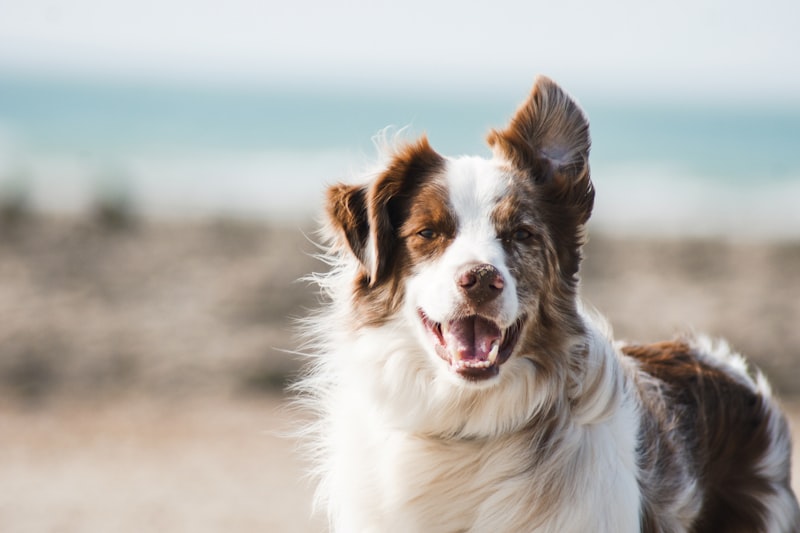
The MDR1 Gene: A Critical Consideration
Perhaps the most important thing any Australian Shepherd owner needs to understand is the MDR1 (Multi-Drug Resistance 1) gene mutation. Approximately 50% of Aussies carry at least one copy of this mutation, and roughly 25% are homozygous (carrying two copies), making them extremely sensitive to certain medications.
The MDR1 gene produces a protein called P-glycoprotein, which acts as a gatekeeper in the blood-brain barrier, pumping potentially toxic substances out of the brain. Dogs with the MDR1 mutation produce a defective version of this protein, meaning certain drugs can accumulate in the brain to dangerous or fatal levels.
Medications to Avoid or Use with Extreme Caution
- Ivermectin (common in heartworm preventatives at higher doses)
- Loperamide (Imodium, used for diarrhea)
- Acepromazine (common sedative)
- Butorphanol (pain medication)
- Several chemotherapy drugs and immunosuppressive agents
If your Aussie has not been tested, a simple cheek swab DNA test can determine their MDR1 status. This is especially critical for senior dogs, who are more likely to need medications for age-related conditions. Always remind your veterinarian about potential MDR1 sensitivity before any medication is prescribed.
Hip Dysplasia and Joint Disease
Hip dysplasia is one of the most common orthopedic conditions in Australian Shepherds, with the breed showing higher-than-average rates. In senior Aussies, even mild dysplasia that caused no symptoms in youth can progress to significant osteoarthritis, causing pain, stiffness, and reduced mobility.
Signs of Joint Problems in Senior Aussies
- Difficulty rising from rest, especially after sleeping
- Reluctance to jump, run, or climb stairs
- A stiff or "shuffling" gait, particularly noticeable on cold mornings
- Loss of muscle mass in the hind legs
- Irritability or withdrawal when the hip area is touched
Joint Management Protocol
A comprehensive approach to joint care includes daily glucosamine and chondroitin supplements, weight management (every excess pound multiplies joint stress), an orthopedic bed with thick memory foam, and regular low-impact exercise. Hydrotherapy is particularly beneficial for Aussies, as swimming exercises muscles without loading the joints. Your veterinarian may also recommend NSAIDs, physical therapy, or laser therapy for more advanced cases.
Joint Support Essentials
- Nutramax Dasuquin Advanced Joint Health - Vet-recommended formula with ASU for enhanced joint protection
- Dog Ramps for Cars - Protect dysplastic hips from the impact of jumping
- Omega-3 Fish Oil for Joint Inflammation - Natural anti-inflammatory support for aging joints
Epilepsy in Senior Australian Shepherds
Epilepsy is a recognized genetic condition in Australian Shepherds, with idiopathic epilepsy typically manifesting between ages 1 and 5. If your Aussie has been living with epilepsy, the senior years may require medication adjustments as metabolism and liver function change with age. Work closely with your veterinarian to monitor drug levels and liver values.
Importantly, if your Aussie has never had seizures and begins having them as a senior, this is a different situation. New-onset seizures after age 5 are more likely to indicate an underlying condition such as a brain tumor, metabolic disease, or toxin exposure, and they warrant prompt diagnostic workup including bloodwork and potentially MRI imaging.
Eye Problems: Protecting Your Aussie's Vision
Australian Shepherds carry a predisposition to multiple eye conditions, several of which worsen or first appear in the senior years. Cataracts are among the most common, causing a progressive clouding of the lens that can eventually lead to blindness. Progressive retinal atrophy (PRA) gradually destroys the light-sensitive cells in the retina, typically starting with night vision loss. Collie eye anomaly, an inherited condition, may also be present from birth but can cause complications later in life.
Annual examinations by a veterinary ophthalmologist are strongly recommended for senior Aussies. Early detection of cataracts allows for surgical correction if appropriate, and identifying PRA early gives you time to prepare your home and help your dog adapt to diminishing vision.

Mental Stimulation: Feeding the Aussie Brain
Australian Shepherds are among the most intelligent dog breeds, and this remarkable brain needs exercise throughout life. In the senior years, mental stimulation becomes even more critical as a defense against canine cognitive dysfunction. An unstimulated senior Aussie may develop anxiety, destructive behavior, or depression alongside cognitive decline.
Fortunately, there are many ways to keep a senior Aussie's mind sharp without overtaxing their aging body. Puzzle feeders that require problem-solving to access food, scent work games where you hide treats around the house, and short training sessions teaching new tricks all activate neural pathways and promote cognitive health. Even a slow-paced "sniff walk" where your Aussie is allowed to explore smells at their own pace provides tremendous mental enrichment.
Nutrition for the Aging Australian Shepherd
Senior Aussies benefit from a high-quality diet formulated for their changing nutritional needs. Look for a senior formula with moderate to high protein for muscle maintenance, omega-3 fatty acids for joint and brain health, and added glucosamine and chondroitin. Antioxidant-rich ingredients like blueberries, spinach, and sweet potatoes support the aging immune system and may help protect against cognitive decline.
Monitor your Aussie's weight closely during the senior years. As activity levels naturally decrease, calorie needs drop as well. An overweight Aussie places enormous extra stress on already vulnerable joints. Your veterinarian can help you determine the ideal calorie intake for your dog's current activity level.
Mental Enrichment Products
- Advanced Puzzle Toys for Intelligent Breeds - Challenge your Aussie's brain with multi-step puzzles
- Snuffle Mats for Scent Work - Engage your dog's powerful nose for calm mental stimulation
- Interactive Treat-Dispensing Toys - Keep senior minds active during alone time
Creating a Comfortable Environment
As your Aussie transitions into the senior years, make your home more accommodating. Place non-slip mats on hardwood and tile floors, use ramps for beds and vehicles, and ensure your dog has a quiet retreat when the household gets busy. If your Aussie is losing vision, keep furniture arrangements consistent and avoid moving obstacles into their established pathways.
Temperature regulation matters, too. Senior Aussies with their thick double coat may overheat in summer, so provide access to cool resting areas. In winter, despite their coat, aging Aussies may feel the cold more keenly as circulation decreases. A heated bed can soothe achy joints during cold months.
Related Senior Dog Care Guides
- Hip Dysplasia in Older Dogs - Comprehensive management strategies
- Canine Cognitive Dysfunction - Understanding and managing doggy dementia
- Blindness in Senior Dogs - Helping dogs adapt to vision loss
- Joint Supplement Comparison Guide - Find the best supplement for your Aussie
Pet Insurance · Sponsored
Protect Your Senior Dog From Surprise Vet Bills
Senior dogs are more likely to face arthritis, lumps, dental disease, and sudden emergencies, and a single visit can run into the hundreds or thousands. Pet insurance can help you say yes to the care your dog needs without draining your savings. Get a free quote and see what coverage fits.
Frequently Asked Questions
At what age is an Australian Shepherd considered a senior?
Australian Shepherds are typically considered senior between 7 and 9 years of age. Their average lifespan is 12-15 years, which is relatively long for a medium-sized breed. However, joint issues and eye problems can appear earlier, so begin biannual vet checkups at age 7 to catch age-related changes early.
What is the MDR1 gene and why does it matter for senior Aussies?
The MDR1 (Multi-Drug Resistance 1) gene mutation affects approximately 50% of Australian Shepherds. Dogs with this mutation cannot properly process certain medications, including common drugs like ivermectin, loperamide, and some sedatives and chemotherapy drugs. A simple DNA test identifies the mutation. Always inform your vet that your Aussie may carry the MDR1 mutation before any medication is prescribed.
How can I help my senior Australian Shepherd with hip dysplasia?
Managing hip dysplasia in senior Aussies involves maintaining a lean body weight, daily joint supplements with glucosamine and chondroitin, regular low-impact exercise like leash walks and swimming, orthopedic bedding, and potentially anti-inflammatory medications from your vet. Physical therapy and hydrotherapy can also provide significant relief.
Do Australian Shepherds get dementia as they age?
Yes, like all breeds, Australian Shepherds can develop canine cognitive dysfunction (CCD), and their high intelligence may make the changes more noticeable. Signs include disorientation, changes in sleep-wake cycles, forgetting commands they once knew, staring at walls, and reduced interaction. Mental stimulation through puzzle toys, training, and scent work can help slow cognitive decline.
What eye problems should I watch for in my aging Aussie?
Australian Shepherds are predisposed to several eye conditions including cataracts, progressive retinal atrophy (PRA), Collie eye anomaly, and iris coloboma. Senior Aussies should have annual eye exams by a veterinary ophthalmologist. Watch for signs like cloudiness, bumping into objects, reluctance to navigate in dim light, or eye discharge.
Is epilepsy common in older Australian Shepherds?
Epilepsy is a known concern in Australian Shepherds, typically appearing between ages 1-5. If your Aussie has been seizure-free, late-onset seizures in a senior dog may indicate a different underlying cause such as a brain tumor, liver disease, or toxin exposure. Any new seizure activity in a senior Aussie warrants immediate veterinary investigation.
How much exercise does a senior Australian Shepherd need?
Senior Aussies still need 30-45 minutes of daily exercise, but the intensity should decrease. Replace vigorous herding and agility work with moderate-paced walks, gentle fetch, and swimming. Mental exercise is equally important for this intelligent breed: puzzle feeders, scent games, and short training sessions help satisfy their need for stimulation without physical strain.
Need more help with your aging dog?
Browse our guides by topic to find practical solutions.
Wellness Planner — $39