Best Joint Supplements for Senior Dogs Compared
Best joint supplements for senior dogs compared side-by-side: glucosamine, chondroitin, MSM, and green-lipped mussel. Dosing guide and top-rated picks.
Understanding Joint Supplements for Senior Dogs
Joint supplements are among the most common products purchased for aging dogs, and for good reason. As dogs get older, the cartilage that cushions their joints gradually changes. This natural process can lead to stiffness, reduced mobility, and visible discomfort, particularly after rest or during cold weather.
The supplement market for dogs is large and sometimes overwhelming. Dozens of products compete for attention, each claiming to be the best. Cutting through the marketing to understand what these supplements actually contain, what the research says, and how to choose intelligently is the purpose of this guide.
It is important to note that supplements are not medications. They are not regulated the same way, they do not treat or cure diseases, and they work differently from dog to dog. What they can do, when chosen well, is provide nutritional building blocks that support joint health as part of an overall care approach. Always discuss supplements with your veterinarian before starting them, especially if your dog takes any medications.
Top Joint Supplements Compared

Nutramax Cosequin for Dogs Plus MSM (132 ct)
The gold-standard glucosamine and chondroitin combo, with MSM. Vet's #1 recommended brand with NASC quality seal.

Special Breed Green Lipped Mussel Powder for Dogs (100 g)
100% New Zealand green-lipped mussel powder. Natural whole-food anti-inflammatory joint support.

KALA HEALTH PeakTails MSM Powder for Dogs (1 lb)
Pure organic-sulfur MSM powder for dogs. Supports cartilage and a healthy joint inflammatory response.
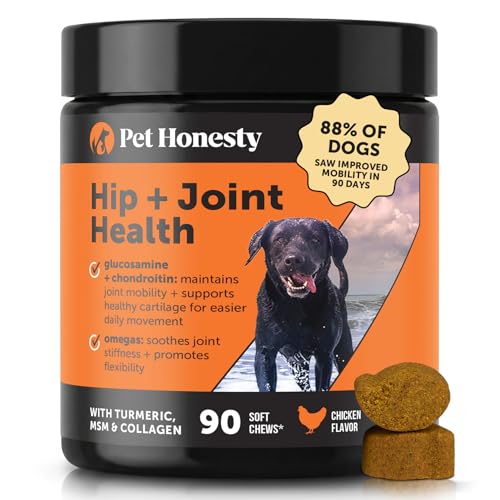
Pet Honesty Hip + Joint Soft Chews (90 ct)
Easy-to-give daily soft chews with glucosamine, chondroitin, MSM, turmeric, and collagen.
Glucosamine
Glucosamine is the most widely used joint supplement ingredient for both humans and dogs. It is an amino sugar that occurs naturally in the body and plays a role in building and maintaining cartilage, the flexible connective tissue that cushions joints.
Types of Glucosamine
- Glucosamine hydrochloride (HCl): Contains a higher concentration of pure glucosamine per dose. Some research suggests it is absorbed more efficiently than the sulfate form.
- Glucosamine sulfate: The most studied form in human research. Much of the positive data on glucosamine comes from studies using this form.
What the Research Shows
Research on glucosamine in dogs is mixed but generally encouraging. Several studies have reported improvements in mobility and comfort scores in dogs receiving glucosamine, particularly when combined with chondroitin. However, the quality and size of studies vary, and not all results have been conclusive. The existing evidence is enough that many veterinarians routinely recommend glucosamine as part of a joint care regimen for senior dogs.
Typical Dosing
General dosing guidelines based on body weight (consult your veterinarian for your specific dog; our supplement dosing chart breaks this down by exact weight):
- Small dogs (under 25 lbs): 250 to 500 mg daily
- Medium dogs (25 to 50 lbs): 500 to 1,000 mg daily
- Large dogs (50 to 90 lbs): 1,000 to 1,500 mg daily
- Giant breeds (over 90 lbs): 1,500 to 2,000 mg daily
Chondroitin
Chondroitin sulfate is another naturally occurring compound found in cartilage. While glucosamine is thought to support the building of new cartilage, chondroitin is believed to help protect existing cartilage by inhibiting enzymes that break it down.
Most research and veterinary recommendations pair chondroitin with glucosamine, as the two are thought to have complementary mechanisms. The typical ratio in commercial supplements is roughly 1:1 to 2:1 glucosamine to chondroitin.
Typical Dosing
- Small dogs: 100 to 250 mg daily
- Medium dogs: 250 to 500 mg daily
- Large dogs: 500 to 750 mg daily
- Giant breeds: 750 to 1,000 mg daily
MSM (Methylsulfonylmethane)
MSM is an organic sulfur compound that is commonly added to joint supplement formulas. Sulfur is a component of connective tissue, and proponents suggest that supplemental MSM supports joint comfort and flexibility.
The research on MSM specifically in dogs is limited compared to glucosamine and chondroitin. However, MSM has a good safety profile and is well-tolerated at recommended doses. Many veterinarians view it as a reasonable addition to a joint supplement formula, even if the evidence for its standalone effectiveness is not as strong.
Green-Lipped Mussel
Green-lipped mussel (Perna canaliculus), harvested in New Zealand, has gained attention as a whole-food joint supplement ingredient. What makes it unique is that it naturally contains glucosamine, chondroitin, and a distinctive profile of omega-3 fatty acids, including ETA (eicosatetraenoic acid), which is not commonly found in other marine sources.
Several studies, including randomized controlled trials in dogs, have reported positive outcomes with green-lipped mussel supplementation. The combination of joint-supporting compounds and omega-3 fatty acids in a single natural source makes it an interesting option for owners who prefer a whole-food approach.
Green-lipped mussel is available as a powder, capsule, or oil. Dogs with shellfish allergies should avoid it, and as with any supplement, introduce it gradually and watch for digestive sensitivity.
Head-to-Head Comparison
Evidence Strength
Strongest: Glucosamine + chondroitin combination (most studied in dogs)
Moderate: Green-lipped mussel (several promising dog studies), Fish oil omega-3s (well-studied for general inflammatory support)
Limited: MSM (generally safe but less studied independently in dogs)
Speed of Results
All joint supplements require consistent use over weeks before any changes become apparent. Typically, 4 to 8 weeks is the minimum evaluation period. Supplements that contain omega-3s (like green-lipped mussel or fish oil) may show some effects slightly sooner due to their broader supportive properties.
Cost Comparison
Glucosamine and chondroitin supplements tend to be the most affordable, particularly in powder or tablet form. Green-lipped mussel products are generally more expensive due to sourcing costs. MSM is inexpensive and is usually included as an add-on ingredient in combination formulas rather than purchased separately.
Our Top Supplement Picks
Best Glucosamine and Chondroitin Supplement
A quality glucosamine-chondroitin supplement from a reputable brand is the foundation of most joint supplement regimens. Look for products that clearly list the amount of each active ingredient per dose.
- Nutramax Cosequin Plus MSM (250 ct) — Veterinarian-recommended glucosamine and chondroitin chewable tablets
- Nutramax Cosequin for Senior Dogs Soft Chews — Formulated specifically for senior dogs with omega-3s
- Nutramax Cosequin Plus MSM (132 ct) — Mid-size value option of the same proven formula
Best Green-Lipped Mussel Supplement
Green-lipped mussel provides a natural combination of glucosamine, chondroitin, and unique omega-3 fatty acids. Look for products sourced from New Zealand with minimal processing to preserve the active compounds.
Special Breed Green Lipped Mussel Powder for Dogs (100% New Zealand)
Best Combination Joint Supplement
Many products combine glucosamine, chondroitin, MSM, and sometimes omega-3s into a single chewable tablet or soft chew. These all-in-one options simplify supplementation.
- Nutramax Cosequin with Glucosamine, Chondroitin, MSM & Omega-3s (120 ct) — Soft chews with joint and skin support
- VetriScience GlycoFlex Joint Support Chews — Glucosamine and green-lipped mussel in one chew
- Zesty Paws Senior Advanced Multivitamin — Multi formula with glucosamine, probiotics, and vitamins
- Pet Honesty Hip + Joint Soft Chews — All-in-one glucosamine, chondroitin, MSM, and turmeric chews
How to Choose the Right Supplement
With so many options available, here is a practical framework for choosing a joint supplement for your senior dog.
- Talk to your veterinarian first. They know your dog's specific health situation and can recommend ingredients and doses that make sense.
- Look for transparency. Choose products that clearly state the amount of each active ingredient per dose, not just a proprietary blend total.
- Check for third-party testing. Products that have been independently tested for quality and purity provide more confidence that what is on the label is actually in the product.
- Start with the basics. A glucosamine-chondroitin combination is a reasonable starting point for most dogs. You can add other ingredients later based on your dog's response.
- Give it time. Commit to at least 8 weeks of consistent daily dosing before judging whether a supplement is helping. Evaluate based on your dog's mobility and comfort, not on marketing promises.
What Supplements Cannot Do
It is important to have realistic expectations. Joint supplements support cartilage maintenance and may help with comfort, but they do not reverse joint damage that has already occurred. They are not a substitute for veterinary care, weight management, appropriate exercise, or other components of a comprehensive approach to your senior dog's joint health.
Think of supplements as one tool in a toolbox, not a magic solution. Combined with a comfortable bed, healthy weight, gentle exercise, and veterinary guidance, supplements can be a valuable part of helping your senior dog stay comfortable and mobile for as long as possible.
Related Guides
- Glucosamine for Dogs: Complete Guide - A deeper look at the most popular joint supplement ingredient.
- Fish Oil for Senior Dogs - Omega-3 fatty acids that complement joint supplements.
- Arthritis in Senior Dogs - The condition these supplements are designed to help manage.
Pet Insurance · Sponsored
Protect Your Senior Dog From Surprise Vet Bills
Senior dogs are more likely to face arthritis, lumps, dental disease, and sudden emergencies, and a single visit can run into the hundreds or thousands. Pet insurance can help you say yes to the care your dog needs without draining your savings. Get a free quote and see what coverage fits.
Frequently Asked Questions
What is the best joint supplement for senior dogs?
There is no single best supplement for all dogs. Glucosamine combined with chondroitin is the most widely used and studied combination. Adding omega-3 fatty acids from fish oil provides complementary support. The best choice depends on your dog's size, specific needs, and how they respond to different ingredients. Discuss options with your veterinarian.
How long does it take for joint supplements to work in dogs?
Most veterinarians and supplement manufacturers suggest allowing 4 to 8 weeks of consistent daily use before evaluating results. Some dogs show noticeable changes sooner, while others may take up to 12 weeks. Joint supplements work gradually by supporting cartilage maintenance rather than providing immediate pain relief.
Can I give my dog human glucosamine supplements?
While the glucosamine molecule is the same regardless of whether it is packaged for humans or dogs, human supplements may contain additional ingredients like xylitol or higher doses of certain compounds that could be harmful to dogs. It is safer to use supplements specifically formulated for dogs, which account for appropriate dosing and avoid potentially harmful additives.
Are joint supplements safe for dogs?
Joint supplements like glucosamine, chondroitin, and fish oil are generally considered safe for most dogs when given at appropriate doses. Side effects, when they occur, are usually mild and may include digestive upset. However, supplements can interact with certain medications, so always consult your veterinarian before starting a new supplement, especially if your dog takes other medications.
Should I give my dog glucosamine or chondroitin or both?
Research suggests that glucosamine and chondroitin may work better together than either alone. Glucosamine supports the production of new cartilage components while chondroitin helps protect existing cartilage from breakdown. Many veterinarians recommend the combination approach, and most commercial joint supplements include both ingredients.
What is green-lipped mussel and is it good for dogs?
Green-lipped mussel (Perna canaliculus) is a shellfish native to New Zealand that contains a unique combination of omega-3 fatty acids, glucosamine, and chondroitin in a natural whole-food form. Some studies suggest it may support joint comfort in dogs. It is available as a powder, capsule, or oil and is generally well-tolerated.
At what age should I start giving my dog joint supplements?
Many veterinarians suggest considering joint supplements for large breed dogs starting around age 5 to 6, and for smaller breeds around age 7 to 8, especially if they are showing early signs of stiffness. Some owners of breeds predisposed to joint issues start even earlier as a proactive measure. Your veterinarian can help determine the right timing for your individual dog.
Need more help with your aging dog?
Browse our guides by topic to find practical solutions.
Wellness Planner — $39