How to Senior-Proof Your Home for an Aging Dog
Make your home safe and comfortable for your aging dog. A room-by-room guide to senior-proofing with non-slip solutions, ramps, beds, and accessibility tips.
Your home was designed for humans — not for a 12-year-old dog with arthritis, failing eyesight, and uncertain balance. What was perfectly fine when your dog was young can become a daily obstacle course as they age: slippery floors that cause painful wipeouts, furniture they can no longer jump onto, stairs that have become treacherous, and dark hallways they can't navigate. Senior-proofing your home isn't just about convenience — it's about preventing injuries, reducing pain, and preserving your aging dog's independence and confidence for as long as possible. Most modifications are simple, affordable, and make a dramatic difference in quality of life.
Essential Senior-Proofing Products
TTelephant Gorilla Grip Non-Slip Rug Pad
Extra-thick rug gripper prevents area rugs from sliding on hardwood and tile floors

SweetBin PetSafe CozyUp Bed Ramp
Gentle-incline ramp with non-slip carpet surface for easy bed and couch access

Rainmr Big Barker Orthopedic Dog Bed
Clinically tested 7-inch memory foam bed that maintains shape — ideal for large arthritic dogs

VETIQ GE LED Night Light (6-Pack)
Plug-in night lights for hallways and rooms to guide dogs with failing vision
The Flooring Problem: Solving Slippery Surfaces
Slippery floors are the number one hazard for senior dogs. Hardwood, tile, laminate, and polished concrete are all dangerously smooth for dogs with declining mobility. A single bad slip can cause a torn ligament, a dislocated joint, or enough fear to make your dog refuse to walk on that surface again. Addressing flooring is the most impactful change you can make.
Solution Strategy
- Area rugs with grip pads: The most practical solution. Place rugs along your dog's most-traveled routes — from bed to water bowl, from bed to back door, from bed to your living area. Use heavy-duty rug gripper pads underneath to prevent the rugs themselves from sliding
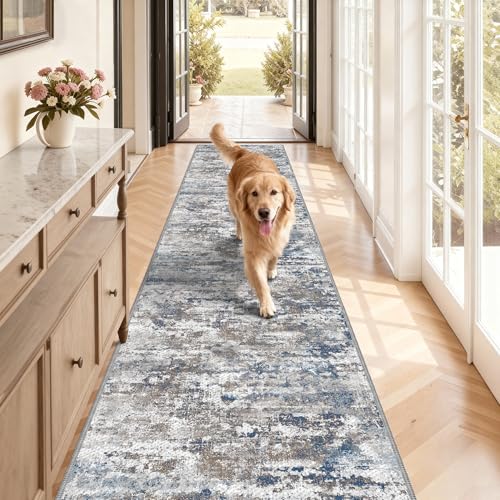
- Carpet runners: Long, narrow carpet runners work perfectly in hallways and transitions between rooms
- Yoga mats: An affordable alternative for smaller high-traffic areas. Cut to size and secure with double-sided tape
- Adhesive floor treads: Peel-and-stick textured strips for targeted spots like in front of food bowls or at doorway transitions
- Toe grips: Rubber rings that fit on your dog's toenails, providing traction from the dog's end rather than the floor
- Non-slip socks: Dog socks with rubber grips — good for smooth floors, though some dogs resist wearing them
For a deep dive into floor solutions, read our complete guide on preventing senior dogs from slipping on hardwood floors.

Room-by-Room Senior-Proofing Guide
Living Room
- Ramp to furniture: If your dog is allowed on the couch, provide a ramp instead of letting them jump. Jumping down from furniture is a leading cause of injury in senior dogs
- Remove clutter: Clear floor-level clutter that a vision-impaired dog could trip over
- Cushion sharp corners: Use foam corner protectors on coffee tables and end tables at dog-head height
- Provide a floor-level bed: An orthopedic bed in the living room lets your senior dog be near the family without climbing onto furniture
- Non-slip pathways: Place rugs from the doorway to your dog's bed and from the bed to the water bowl
Bedroom
- Bed ramp: A ramp or pet stairs (for smaller dogs) next to the bed eliminates painful jumping
- Night lights: Place them along the route from your dog's bed to the bedroom door for nighttime bathroom trips
- Waterproof bed protector: If your dog sleeps on your bed, use a waterproof cover in case of incontinence
- Floor bed option: As mobility declines, your dog may eventually need to transition to a floor-level bed. Start with a comfortable orthopedic option placed beside your bed
Kitchen
- Elevated bowls: Raise food and water bowls to reduce neck strain for arthritic dogs
- Non-slip mat under bowls: Prevents bowls from sliding and provides traction at the feeding station
- Baby gate: Use a gate to block kitchen access during cooking, preventing your dog from encountering hot spills, dropped knives, or toxic foods
- Anti-fatigue mat: If your dog likes to lie on the kitchen floor while you cook, provide a padded mat rather than cold, hard tile
Bathroom
- Non-slip bath mat: Inside the tub or shower for dogs bathed at home
- Block access to toilets: Toilet water and cleaning chemicals pose risks, especially for dogs with cognitive dysfunction who may drink from toilets
- Secure medications and chemicals: Store all human medications, cleaning products, and toiletries in closed cabinets
Flooring and Traction Solutions
- Non-Slip Rug Pads — Heavy-duty grip pads that keep area rugs firmly in place on any floor
- Hallway Carpet Runners — Non-slip runners for creating safe pathways through your home
- Adhesive Stair Treads — Non-slip carpet strips for stairs your senior dog must navigate
Stair Safety
Stairs are one of the most dangerous features in a home for a senior dog. Falls on stairs can result in broken bones, torn ligaments, and spinal injuries. Take these precautions:
- Block unnecessary stairs: Use sturdy baby gates to prevent unsupervised stair access, especially at the top of staircases
- Add traction: Apply carpet treads or adhesive non-slip strips to every step
- Improve lighting: Install motion-activated lights along the stairway for dogs navigating in low light
- Consider ramp alternatives: For outdoor steps (deck, porch), a ramp may replace stairs entirely
- Supervise stair use: Be present when your dog uses stairs, and consider a support harness for added stability
For a detailed comparison of mobility solutions, see our guide to dog stairs vs. ramps.

Lighting for Vision-Impaired Dogs
Vision decline is extremely common in senior dogs, and many owners don't realize how much their dog is struggling to see, especially in low light. Good lighting is a simple, inexpensive modification that makes a significant difference.
- Night lights: Place plug-in LED night lights along your dog's common paths — from bed to bathroom door, along hallways, and near water bowls
- Motion-activated lights: Battery-powered motion sensors in hallways and near stairs detect your dog's movement and illuminate the path
- Avoid total darkness: Even partially sighted dogs navigate better with some ambient light than in complete darkness
- Consistent lighting: Avoid dramatic transitions from bright to dark rooms, which are harder for aging eyes to adjust to
Outdoor Space Modifications
Your yard and outdoor access points need senior-proofing too:
- Ramp at the door: If your back door has steps, install a ramp for easy yard access
- Clear pathways: Keep paths to the bathroom area free of debris, garden hoses, and clutter
- Outdoor lighting: Solar-powered pathway lights or motion-activated floods help nighttime bathroom trips
- Shade and shelter: Ensure your dog has shade available during outdoor time in warmer months
- Non-slip deck surface: If your dog crosses a wood deck, apply non-slip deck paint or rubber matting
- Fence check: Dogs with cognitive dysfunction may wander and get confused. Ensure all fencing is secure with no gaps
Emergency Preparedness
Senior-proofing should include planning for emergencies:
- Fire safety: Ensure your dog's bed location has a clear exit path. Practice fire evacuation with your dog
- Power outage plan: Have battery-powered lights available. If your dog uses a heated bed, have blankets as backup
- First aid kit: Keep a pet first aid kit accessible with bandages, antiseptic, emergency vet numbers, and any rescue medications
- Medication access: Store medications in a consistent, easy-to-reach location with clear labeling and dosing instructions that anyone caring for your dog can follow

Related Senior Dog Guides
- Senior Dog Slipping on Hardwood Floors — Complete guide to floor traction solutions
- Best Dog Ramps for Beds — Ramp reviews for bed and furniture access
- Best Orthopedic Beds for Senior Dogs — Memory foam beds for joint support and comfort
- Dog Stairs vs Ramps — Which mobility aid is best for your senior dog
Pet Insurance · Sponsored
Protect Your Senior Dog From Surprise Vet Bills
Senior dogs are more likely to face arthritis, lumps, dental disease, and sudden emergencies, and a single visit can run into the hundreds or thousands. Pet insurance can help you say yes to the care your dog needs without draining your savings. Get a free quote and see what coverage fits.
Frequently Asked Questions
What is the best flooring for senior dogs?
The best flooring for senior dogs provides traction without being too hard on joints. Carpet is ideal for grip but hard to clean. Cork and rubber flooring are joint-friendly and slip-resistant. For existing hardwood or tile, use area rugs with non-slip rug pads — create pathways of rugs along your dog's most-traveled routes. Yoga mats cut to size can also work in high-traffic areas. Avoid polished tile, laminate, and waxed hardwood, which are dangerously slippery.
Where should I put my senior dog's bed?
Place your senior dog's bed in a quiet area of the home that's still within sight and sound of family activity — isolation worsens anxiety. Avoid drafty areas near doors or windows, direct heat vents, and rooms that get too hot or cold. The bed should be on the ground floor to avoid stairs. If your dog sleeps in your bedroom, keep their bed at floor level with easy access. Consider multiple beds in different rooms so your dog always has a comfortable option nearby.
Do senior dogs need ramps or stairs?
Most senior dogs benefit from ramps rather than stairs. Ramps provide a gentle incline that's easier on arthritic joints, while pet stairs still require the stepping motion that causes pain. Ramps are essential for getting on/off beds, couches, and in/out of vehicles. Choose a ramp with a non-slip surface, gentle incline, and weight capacity that exceeds your dog's weight. Side rails provide extra security for unsteady dogs.
How do I make my home safe for a blind senior dog?
Keep furniture in consistent positions — never rearrange without re-introducing your dog to the layout. Block dangerous areas like stairs with baby gates. Use textured mats at doorways and transitions as tactile landmarks. Add scent markers (a dab of essential oil) at key locations like the water bowl, back door, and bed. Cushion sharp furniture corners with foam bumpers. Keep floors clear of clutter. A halo device (bumper ring harness) can protect blind dogs from walking into walls and furniture.
What temperature should I keep my house for a senior dog?
Most senior dogs are comfortable between 68-75°F (20-24°C). Arthritic dogs do best on the warmer end of this range, as cold aggravates joint pain. Dogs with respiratory issues or heart disease may need slightly cooler temperatures. Avoid rapid temperature fluctuations. In winter, a heated bed supplements room temperature. In summer, ensure your dog has access to air conditioning or fans, and never leave them in a room that gets direct afternoon sun without cooling options.
Should I use elevated food and water bowls for my senior dog?
Elevated bowls can significantly help senior dogs with arthritis in the neck, shoulders, or front legs by reducing the amount they need to bend down. They're also beneficial for large breeds prone to neck strain. The ideal height positions the bowl at your dog's elbow level or slightly below. However, for dogs at risk of bloat (deep-chested breeds), consult your vet first, as there's some debate about whether elevated bowls increase bloat risk.
How do I keep my senior dog safe on stairs?
Install baby gates at the top and bottom of stairs your dog shouldn't access unsupervised. For stairs they must use, add carpet runners or adhesive stair treads for traction. Install night lights along the stairway for dogs with vision loss. Consider a ramp as an alternative to stairs where possible. Some dogs benefit from a support harness when navigating stairs. Never let a senior dog run up or down stairs, and supervise stair use whenever possible.
Need more help with your aging dog?
Browse our guides by topic to find practical solutions.
Wellness Planner — $39