Best Waterproof Dog Bed Covers (2026 Guide)
Best waterproof dog bed covers to protect against incontinence accidents. Breathable vs vinyl liners compared, with sizing guide and top-rated picks.
An orthopedic dog bed is one of the best investments you can make for a senior dog. But when incontinence enters the picture, that expensive memory foam insert becomes vulnerable to urine damage, odors, and bacterial growth. A single unprotected accident can ruin a bed insert that took weeks to break in and cost a significant amount to replace.
Waterproof bed covers are the simple, inexpensive solution that protects your investment and keeps your dog's sleeping space clean and hygienic. This guide covers the different types of waterproof protection available, what materials work best, and how to set up a layered system that handles even heavy incontinence.
Best Waterproof Bed Covers

Moonsea Waterproof Dog Bed Cover - Fitted
Snug fit that stays in place all night

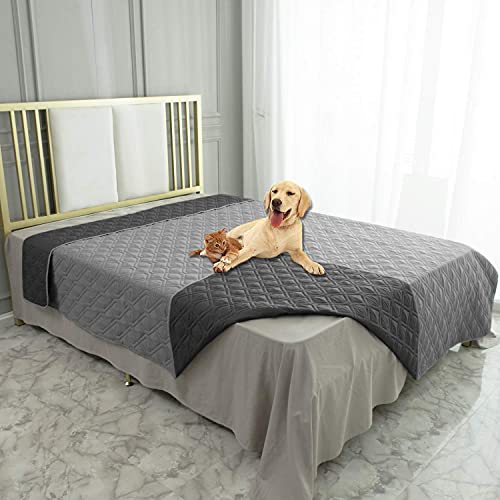
Moonsea Machine-Washable Dog Bed Cover
Easy-clean covers for frequent washing

Why Waterproof Protection Matters
Urine does more damage to a dog bed than most people realize. When it soaks into foam, it does not just sit on the surface. It penetrates deep into the material, where it becomes nearly impossible to fully remove. Over time, the urine breaks down the foam structure, creates persistent odors that no amount of washing can eliminate, and fosters bacterial and fungal growth.
Memory foam and orthopedic foam are particularly vulnerable because of their dense, porous structure. Once urine gets into these materials, the bed is essentially ruined. Replacing a quality orthopedic dog bed costs anywhere from 50 to 200 dollars. A waterproof cover costs a fraction of that and keeps the insert in pristine condition.
Beyond the financial argument, there is a hygiene one. A dog sleeping on a urine-contaminated bed is exposed to bacteria and ammonia fumes that can irritate their skin and respiratory system. For senior dogs who already have compromised immune systems or skin sensitivities, a clean, protected bed is especially important.
Types of Waterproof Bed Protection
There are several approaches to waterproofing your dog's bed, and the best choice depends on your specific setup.
Zippered Encasement Covers
These covers zip completely around the bed insert, encasing it on all sides like a pillowcase. This provides full 360-degree protection, meaning even if the bed gets flipped or the dog lies on it at an odd angle, the insert stays dry. Encasement covers are the gold standard for protection and are especially recommended for expensive orthopedic beds.
Flat Waterproof Liners
A flat liner sits between the bed insert and the outer cover. It protects the top surface of the insert where accidents are most likely to occur. Flat liners are less expensive than full encasements and easier to remove and wash. However, they can shift out of position and do not protect the sides or bottom of the insert.
Waterproof Outer Covers
Some dog beds come with outer covers that have a built-in waterproof membrane. If your current bed does not have this feature, you can often buy a compatible waterproof outer cover separately. These replace the standard fabric cover and serve as both the sleeping surface and the waterproof barrier.
Washable Pee Pads as Bed Toppers
Placing a washable pee pad on top of the bed is the simplest approach and adds an extra layer of protection on top of any of the above options. The pad absorbs the accident on the surface, and the waterproof cover underneath catches anything that makes it through. This two-layer system is the most reliable for heavy incontinence.
Waterproof Bed Protection Options
- Zippered Waterproof Dog Bed Covers - Full encasement protection for orthopedic beds
- Flat Waterproof Dog Bed Liners - Affordable top-surface protection
- Waterproof Replacement Dog Bed Covers - Outer covers with built-in waterproofing

Materials: What Makes a Good Waterproof Cover
Not all waterproof materials are equal, and the type of membrane used directly affects comfort, durability, and breathability.
PUL (Polyurethane Laminate)
PUL is a thin, flexible waterproof film bonded to fabric. It is the same material used in quality cloth diapers and medical bedding. PUL is lightweight, breathable, quiet, and holds up well through repeated machine washing. It is the most common material in quality dog bed covers and generally the best all-around choice.
TPU (Thermoplastic Polyurethane)
TPU is similar to PUL but tends to be slightly more durable and heat-resistant. It is a newer material that is increasingly used in premium products. TPU covers can withstand hotter wash cycles without delaminating, which is a plus for heavy-duty use.
Vinyl and Plastic
Vinyl sheeting is waterproof but not breathable. It traps heat and moisture against your dog's body, which can cause overheating and skin irritation. The crinkly noise is also unpleasant for many dogs. Vinyl covers are inexpensive but are best used as a temporary or backup solution rather than a daily sleeping surface.
Coated Fabrics
Some covers use a fabric with a water-resistant coating rather than a true waterproof membrane. These may be labeled as water-resistant rather than waterproof, and there is an important difference. Water-resistant coatings can eventually be overwhelmed by larger volumes of liquid and may lose their effectiveness after repeated washing. For incontinence management, true waterproof membranes are the better investment.
Getting the Right Size
Measure your dog's bed insert before ordering a cover. Length and width are the key measurements. For encasement-style covers, you also need the height or thickness of the insert. Most covers have some stretch, but you want a snug fit that does not leave excess material bunching up under your dog.
Common dog bed sizes and their approximate dimensions:
- Small: 24 x 18 inches to 30 x 20 inches
- Medium: 30 x 20 inches to 36 x 28 inches
- Large: 36 x 28 inches to 44 x 32 inches
- Extra Large: 44 x 32 inches to 52 x 42 inches
If your bed is an unusual size or shape, a flat waterproof liner that is slightly larger than the bed surface can be trimmed or tucked to fit. Human crib mattress protectors also work well for medium-sized dog beds, and full or queen mattress protectors can be folded to fit larger beds.
Covers by Size
- Large Waterproof Dog Bed Covers - For large breed beds and crates
- Extra-Large Waterproof Dog Bed Covers - For giant breed and oversized beds
- Waterproof Crib Mattress Protectors - An affordable hack for medium dog beds
Setting Up a Layered Protection System
For the most reliable protection, especially for dogs with heavy incontinence, use a layered approach:
- Bottom layer: The bed insert itself, whether it is memory foam, egg crate, or fiberfill.
- Waterproof encasement: A zippered cover that fully encloses the insert and blocks all moisture.
- Soft outer cover: The removable fabric cover your dog actually lies on. This is what gets washed most frequently.
- Top layer (optional): A washable pee pad placed on top of the bed. This catches accidents on the surface and is the easiest layer to swap out.
With this system, accidents are caught by the pee pad before they ever reach the bed cover. If something does soak through the pad, the waterproof encasement protects the insert. The outer cover and pee pad go in the wash. The insert stays dry and clean indefinitely.

Protecting Your Own Bed and Furniture
If your senior dog sleeps on your bed or has couch privileges, you need waterproof protection for those surfaces too. A queen or king-sized waterproof mattress protector for your own bed costs about the same as a dog-specific product and provides seamless protection that your dog cannot push aside.
For couches and chairs, large washable pee pads or waterproof throws work well. You can drape them over your dog's favorite spot and remove them when company comes over. Some owners find that furniture-specific waterproof covers in neutral colors blend in well enough to leave in place all the time.
Furniture and Human Bed Protection
- Waterproof Mattress Protectors for Pet Owners - Protect your own bed seamlessly
- Waterproof Couch Covers for Pets - Shield furniture from accidents and fur
Care and Maintenance
Proper care ensures your waterproof covers remain effective for the long term. Machine wash on warm with a mild, unscented detergent. Avoid bleach, which degrades waterproof membranes, and skip the fabric softener, which coats fibers and can interfere with both absorbency and waterproofing.
Tumble dry on low or hang to dry. High dryer heat is the most common cause of waterproof membrane failure. If your cover starts allowing moisture through after months of use, it may be that the PUL layer has been damaged by excessive heat. Replacing the cover at that point is inexpensive insurance for the bed insert underneath.
Keep at least two waterproof covers in rotation so you always have a clean one ready while the other is in the wash. This simple habit ensures your dog always has a protected, hygienic place to sleep, even on laundry day.
Related Guides
- Best Waterproof Dog Beds - Beds with built-in waterproofing for a complete solution.
- Best Washable Pee Pads - Layer pee pads on top for even easier daily cleanup.
- Senior Dog Incontinence: Causes and Solutions - Understand the condition and explore all management products.
Pet Insurance · Sponsored
Protect Your Senior Dog From Surprise Vet Bills
Senior dogs are more likely to face arthritis, lumps, dental disease, and sudden emergencies, and a single visit can run into the hundreds or thousands. Pet insurance can help you say yes to the care your dog needs without draining your savings. Get a free quote and see what coverage fits.
Frequently Asked Questions
Do waterproof dog bed covers feel crinkly or uncomfortable?
Modern waterproof covers are much more comfortable than the stiff, crinkly plastic sheets of the past. Most use a thin polyurethane laminate (PUL) or TPU membrane bonded to soft fabric that feels natural to the touch. Your dog sleeps on the soft outer fabric and the waterproof layer underneath is undetectable. Look for covers specifically labeled as noise-free or silent.
Can I put a waterproof cover in the washing machine?
Yes, most waterproof dog bed covers are machine washable. Wash on a warm cycle with mild detergent and tumble dry on low heat or air dry. Avoid bleach and fabric softener, which can damage the waterproof membrane over time. Check the manufacturer's care instructions, as some covers should not be exposed to high heat in the dryer.
What size waterproof cover do I need for my dog's bed?
Measure your dog's bed insert before shopping. Covers should match the insert dimensions closely. A cover that is too large will bunch up and shift, while one that is too small will not fully protect the insert. Most quality covers come in standard bed sizes and some offer adjustable or universal designs.
Should the waterproof layer go under or over the bed insert?
For best protection, a waterproof liner should encase or wrap around the bed insert, going between the insert and the removable outer cover. Some owners also place a washable pee pad on top of the bed for an extra layer of protection. This way, the pee pad catches the initial accident and the waterproof cover protects the insert if anything gets through.
How often should I wash a waterproof bed cover?
Wash the cover at least once a week if your dog has regular accidents, and immediately after any visible soiling. Even if the cover appears clean, urine can seep into the surface and harbor bacteria. Regular washing keeps odors at bay and maintains a hygienic sleeping surface for your dog.
Can I use a human mattress protector instead of a dog-specific cover?
Yes, human waterproof mattress protectors work well as dog bed liners, especially for large beds. They are often more affordable and available in a wider range of sizes. Just make sure the protector is truly waterproof and not merely water-resistant. Fitted-sheet style protectors can be trimmed or tucked to fit dog beds.
Will a waterproof cover make my dog hot?
Quality waterproof covers use breathable membranes that block liquid while allowing air to pass through. These keep your dog comfortable without trapping heat. Avoid covers made from solid plastic or vinyl sheeting, which do not breathe and can cause overheating, especially for senior dogs who may already have trouble regulating their temperature.
Need more help with your aging dog?
Browse our guides by topic to find practical solutions.
Wellness Planner — $39