Best Dog Nail Grinders for Older Dogs
Quiet, gentle nail grinders ideal for anxious senior dogs. Compare top models, learn safe grinding techniques, and keep your old dog's nails healthy.
Nail care is one of the most overlooked aspects of senior dog health. As older dogs become less active, their nails don't wear down naturally — and overgrown nails can alter their gait, worsen joint pain, and make slipping on smooth floors even more likely. For many senior dogs and their owners, traditional nail clippers create anxiety and risk. Nail grinders offer a gentler, more controlled alternative.
We've evaluated the most popular nail grinders with senior dogs in mind, prioritizing quiet operation, low vibration, and ease of use for both dogs and their humans.
Top Nail Grinder Picks for Senior Dogs

Dremel PawControl 7760-PET Cordless Nail Grinder
The groomer's standard. Cordless and rechargeable, with a 60-degree paw guard that limits how much nail contacts the drum. Smooth, controlled grinding for nervous seniors.
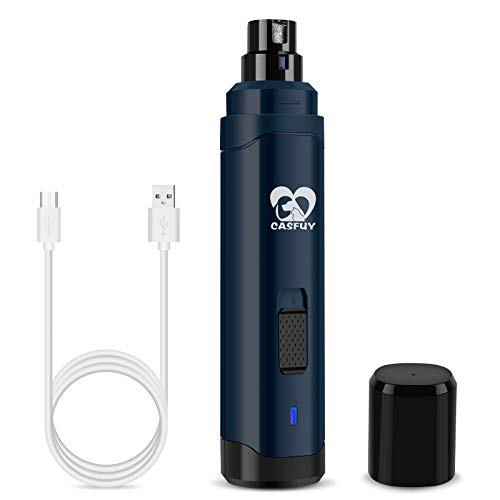
Casfuy Dog Nail Grinder, Upgraded 2-Speed
Whisper-quiet motor with two speeds plus an LED light. Great battery life at a budget price. The best value for anxious dogs.

LuckyTail Pet Nail Grinder, Super Quiet 2-Speed
Super quiet and low vibration with two LED lights and a precision guard. USB rechargeable and cordless. Designed specifically for anxious dogs.
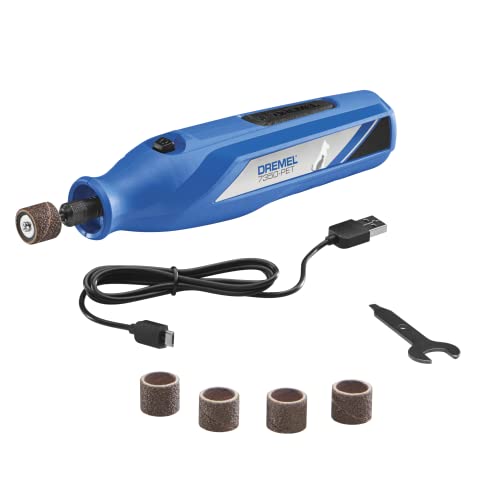
Dremel 7350-PET 4V Cordless Nail Grinder
Compact, lightweight 4V entry model. Easy to use and safe. Perfect for small-to-medium senior dogs.
Why Nail Care Matters More for Aging Dogs
Long nails aren't just a cosmetic issue — they're a mobility and pain issue. When nails are too long, they push back into the nail bed with every step, forcing your dog's toes into unnatural positions. This altered gait pattern puts extra stress on already-arthritic joints and weakened tendons.
For senior dogs specifically, overgrown nails create a dangerous chain reaction:
- Altered gait — Long nails change how your dog distributes weight, increasing strain on arthritic joints
- Increased slipping — Nails that click on hard floors mean paw pads aren't making full contact, contributing to slipping on hardwood
- Pain and discomfort — Pressure on overgrown quicks causes chronic low-grade pain that often goes unnoticed
- Ingrown nails — Senior dogs' nails can curl and grow into paw pads, causing infection
- Catching and tearing — Long nails snag on carpet, bedding, and furniture, potentially causing painful tears
What to Look For in a Nail Grinder
Noise Level
This is the number one consideration for senior dogs. Many older dogs develop noise sensitivity, and a loud grinder can create lasting anxiety around nail care. Look for models rated under 50 decibels. Premium grinders with brushless motors are typically the quietest.
Variable Speed
Multiple speed settings let you start slow and gentle, only increasing if needed. For most senior dog nail maintenance, low-to-medium speed is sufficient. Variable speed also means lower vibration at lower settings, which is less startling for nervous dogs.
Cordless Design
A cord restricts your positioning and can get tangled or startle your dog. Cordless, rechargeable grinders give you freedom to find the most comfortable position for both of you. Look for models with at least 2 hours of battery life so you never run out mid-session.
Guard/Safety Cap
Many grinders include a guard cap with small openings that limit how much nail contacts the grinding surface at once. This prevents over-grinding and protects fur from getting caught. Some dogs do better without the guard once you're experienced, but it's a great safety feature for beginners.
LED Light
A built-in light illuminates the nail so you can see the quick (the blood vessel inside the nail) more clearly, especially on dogs with lighter nails. This reduces the risk of grinding too close and causing pain or bleeding.
Best for Anxious Dogs: Ultra-Quiet Models
If your senior dog is noise-sensitive or fearful of grooming, these whisper-quiet grinders operate at library-level volume.
How to Safely Grind Your Senior Dog's Nails
Step 1: Desensitize First
Before the first real session, spend 2-3 days letting your dog get comfortable with the grinder. Turn it on near them (not touching nails) while giving high-value treats. Touch the running grinder briefly to a paw pad. Build positive associations before any actual grinding.
Step 2: Get Positioned
Have your dog lie on their side on a comfortable surface, or sit in front of you. For dogs with weak back legs, lying down is safest. Support the paw gently — don't squeeze or restrain tightly, as this increases anxiety.
Step 3: Grind in Short Bursts
Touch the grinder to the nail tip for 3-5 seconds, then pull away. Check your progress. Repeat. Grinding in short bursts prevents heat buildup, which can be painful. Work at a 45-degree angle across the nail tip, rotating slightly to round the edges.
Step 4: Know When to Stop
As you grind closer to the quick, the nail center will appear lighter and slightly softer. On light nails, you'll see a pink circle emerging. On dark nails, watch for a small dark dot in the center. Stop before reaching the quick. It's better to take off a little every week than to risk hitting the quick once.
Step 5: Reward Generously
End every session with treats, praise, and a favorite activity. You want nail grinding to predict good things. Even if you only managed one paw today, that's fine. You can do the other paws tomorrow. Patience builds a dog who tolerates — and eventually ignores — the process.
Grinder vs. Clipper: Pros and Cons
Nail Grinder Pros
- Gradual removal reduces risk of cutting the quick
- Leaves smooth, rounded edges (no sharp snags)
- Less sudden and startling than the clip/crunch of clippers
- Better control for dogs with dark nails where the quick isn't visible
- Can be used for maintenance touch-ups between full sessions
Nail Grinder Cons
- Takes longer than clipping
- Motor noise can bother some dogs (though modern grinders are very quiet)
- Generates nail dust and a slight burning smell
- Requires charging/batteries
- Long fur can get caught in the spinning drum (use the guard)
For most senior dogs — especially those who are anxious, have dark nails, or have had a bad experience with clippers — grinders are the better choice. The extra time investment pays off in a calmer, safer experience.
Complete Nail Care Kits
Some kits include a grinder, styptic powder (for accidental quick nicks), nail file, and treats — everything you need in one package.
Tips for Resistant Senior Dogs
Some senior dogs have a lifetime of negative associations with nail care. For these dogs, take it extremely slow. Spend a full week just touching their paws while giving treats before even introducing the grinder. Consider using anxiety wraps or calming supplements before sessions.
If your dog remains extremely resistant, consider having your vet or a professional groomer handle nail care. Many vets will trim nails during regular check-ups, and some groomers specialize in anxious or senior dogs. The most important thing is that the nails get maintained — not that you're the one doing it.
Related Guides
- Old Dog Slipping on Floors — Nail care is step one for better traction
- Best Paw Balm for Senior Dogs — Complete paw care includes pad protection
- Best Non-Slip Socks for Dogs — Extra traction while nails grow back
- Best Dog Boots for Winter — Protect paws and nails in cold weather
Pet Insurance · Sponsored
Protect Your Senior Dog From Surprise Vet Bills
Senior dogs are more likely to face arthritis, lumps, dental disease, and sudden emergencies, and a single visit can run into the hundreds or thousands. Pet insurance can help you say yes to the care your dog needs without draining your savings. Get a free quote and see what coverage fits.
Frequently Asked Questions
Are nail grinders better than clippers for senior dogs?
For most senior dogs, yes. Grinders are less likely to cause the sharp pain of cutting the quick, they produce a smooth finish without sharp edges, and the gradual grinding process is less startling than the sudden snap of clippers. Dogs with dark nails especially benefit since you can't see the quick — grinding lets you approach it gradually.
How often should I grind my senior dog's nails?
Every 1-2 weeks for most senior dogs. Older dogs are often less active and don't wear their nails down naturally through walking and running. Overgrown nails alter gait, worsen arthritis pain, and increase the risk of slipping on smooth floors. Frequent, light grinding sessions are easier and less stressful than infrequent heavy sessions.
Will the noise from a nail grinder scare my senior dog?
Some dogs are noise-sensitive, but modern nail grinders are much quieter than older models. Many operate at 40-50 decibels — about the volume of a refrigerator. You can desensitize your dog by running the grinder near them (not on their nails) during treat time for several days before the first session. Cordless models tend to be quieter than corded ones.
How long does it take to grind a dog's nails?
Plan for 10-20 minutes for all four paws, though it gets faster with practice. Grind each nail for 3-5 seconds at a time, check progress, and repeat. Don't hold the grinder against one nail continuously — heat builds up. With a calm, cooperative senior, you might finish in under 10 minutes.
Can I use a human nail file on my dog?
A human nail file is too fine to make meaningful progress on dog nails, which are much thicker. However, a human nail file can be useful for smoothing rough edges after grinding. For the actual nail shortening, you need a rotary grinder with a diamond or sanding drum designed for pet nails.
What speed setting should I use for a senior dog?
Start on the lowest speed setting. Most senior dogs do well at low-to-medium speed, which generates less vibration, noise, and heat. High speed is rarely necessary for regular maintenance grinding. Only use higher speeds if your dog has extremely thick nails and is comfortable with the grinder.
Need more help with your aging dog?
Browse our guides by topic to find practical solutions.
Wellness Planner — $39