Best Anxiety Wraps & ThunderShirts for Dogs
Compare top anxiety wraps and compression vests for senior dogs. How they work, sizing guides, and when to use them for thunder, separation, and dementia anxiety.
Anxiety in senior dogs is heartbreakingly common. Whether it's triggered by thunderstorms, separation, nighttime confusion from cognitive dysfunction, or just the general unease that comes with aging, watching your old dog pace, pant, and tremble is hard. Anxiety wraps — snug, vest-like garments that apply gentle, constant pressure — offer a drug-free way to help your dog feel calmer and safer.
We've compared the most popular anxiety wraps and compression vests with senior dogs as the focus. Here are the ones that combine effective compression with comfort for aging bodies.
Top Anxiety Wrap Picks for Senior Dogs
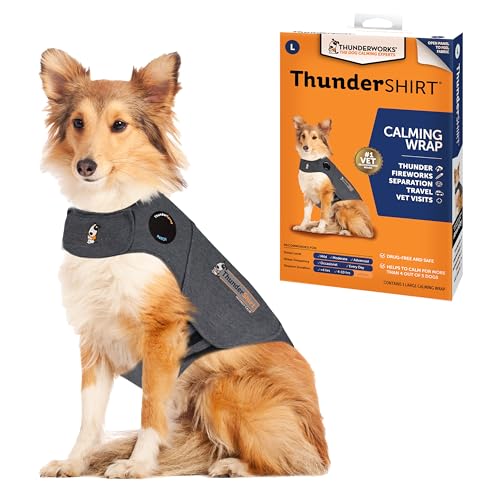
ThunderShirt Classic Dog Anxiety Calming Vest
The original anxiety wrap. Patented design with a high owner-reported success rate. Breathable and machine washable.

ThunderShirt Sport Anxiety Calming Vest
Athletic Sport design with better breathability and a sleeker fit. Same proven compression effect as the Classic.

IECOii Calming Compression Anxiety Vest
Budget-friendly wrap with adjustable snug fit and breathable fabric. A lower-cost alternative for storms, fireworks, and travel.

American Kennel Club Anti-Anxiety Calming Coat
AKC-branded calming coat with adjustable fit and gentle compression. Designed for thunderstorm season and fireworks.
How Compression Therapy Works for Dogs
The science behind anxiety wraps is rooted in deep pressure therapy (DPT), the same principle behind weighted blankets for humans and swaddling for infants. Gentle, evenly distributed pressure across the torso activates the parasympathetic nervous system — the body's "rest and digest" mode — which counteracts the "fight or flight" response that drives anxiety.
For senior dogs, this pressure therapy can help with:
- Storm and noise anxiety — The most well-studied use case, with high success rates reported
- Separation anxiety — Especially common in senior dogs who become clingy
- Nighttime restlessness — Dogs with sundowner syndrome or dementia-related anxiety
- Vet and grooming visits — Reducing stress during necessary handling
- Travel anxiety — Car rides and unfamiliar environments
- General age-related anxiety — The increased nervousness many dogs develop as they age

What to Look For in an Anxiety Wrap
Proper Fit and Adjustability
The wrap must be snug but not tight. You should be able to slide two flat fingers between the wrap and your dog's body. Too loose provides no therapeutic pressure. Too tight restricts breathing and movement, creating more anxiety. Look for multiple adjustment points (chest, belly, neck) so you can customize the fit for your dog's specific body shape.
Breathable Material
Senior dogs regulate body temperature less efficiently than younger dogs. An anxiety wrap made from heavy, non-breathable material can cause overheating, especially during the stress response when body temperature is already elevated. Look for lightweight, breathable fabrics — particularly if your dog will wear the wrap during warmer months or in a heated home.
Easy On/Off Design
Putting on the wrap should be quick and calm. Designs that require threading legs through holes, lifting the dog, or extensive adjustment can create stress before the wrap even starts working. The best wraps for senior dogs drape over the back and secure underneath with Velcro — minimal fussing required.
Machine Washable
Senior dogs with incontinence issues, drooling, or skin conditions need a wrap that can be washed frequently. Machine-washable designs that maintain their compression properties after repeated washing are essential for long-term use.
Best for Nighttime Anxiety
Dogs with nighttime anxiety or dementia-related restlessness often benefit from wearing a lightweight anxiety wrap during their evening unsettled hours.
Types of Anxiety Wraps
Full-Body Compression Vests
The most common type, exemplified by the ThunderShirt. These cover the torso with even pressure from shoulders to hips. They're the most studied and most effective design for general anxiety. Most use Velcro closures for adjustable fit. Prices range from $20 to $50.
Torso Wraps
Simpler designs that wrap around the chest in a figure-eight pattern. These provide focused compression to the core without covering as much body area. Some dogs prefer the less restrictive feel. You can even DIY a version with an ACE bandage in a pinch, though purpose-made wraps are safer and more consistent.
Weighted Vests
A step beyond compression, weighted vests add gentle weight along with pressure. The added weight provides proprioceptive input that some dogs find extra calming. However, for senior dogs with arthritis or mobility issues, the extra weight may be counterproductive. Use weighted options only if your vet approves.
Combination Products
Some anxiety wraps incorporate calming pheromones (like Adaptil) or aromatherapy pouches in addition to compression. These multi-modal wraps attack anxiety from multiple angles simultaneously. The added cost is modest, and the combined effect can be significant for dogs with severe anxiety.
Sizing Guide
Getting the right size is critical. An ill-fitting anxiety wrap is ineffective at best and distressing at worst. Follow these steps:
- Measure chest circumference — Wrap a soft tape measure around the widest part of your dog's ribcage, just behind the front legs. This is the primary measurement for sizing.
- Check weight range — Most brands also list weight ranges. If your dog falls between sizes based on chest measurement, use the weight range as a tiebreaker.
- When in doubt, size up — It's better to have a slightly loose wrap that you can tighten than a too-tight wrap that restricts your dog.
Common sizing ranges (vary by brand):
- XS: Under 7 lbs, 9-13" chest
- Small: 7-15 lbs, 13-18" chest
- Medium: 15-25 lbs, 18-23" chest
- Large: 25-50 lbs, 23-29" chest
- XL: 50-75 lbs, 29-36" chest
- XXL: 75-110 lbs, 36-44" chest
Tips for Best Results
Introduce the wrap during calm moments first, paired with treats and praise. Don't wait for a thunderstorm to put it on for the first time — your dog will associate the wrap with their existing fear rather than with comfort.
For nighttime pacing, put the wrap on about 30 minutes before your dog's typical anxious period begins. Combining the wrap with other calming strategies — a night light, calming supplements, and quiet music — creates a multi-layered approach that's more effective than any single intervention.
Monitor your dog while wearing the wrap. If they seem more distressed, are trying to remove it, or are overheating, take it off immediately. Not every dog responds positively to compression, and forcing it creates negative associations.
Calming Product Bundles
Many brands offer bundles that pair anxiety wraps with calming supplements or pheromone sprays for a comprehensive approach.
Related Guides
- Senior Dog Anxiety at Night — Understanding and managing nighttime distress
- Best Calming Supplements — Biochemical support for anxious senior dogs
- Best Night Lights for Dogs with Dementia — Reduce confusion in the dark
- Canine Cognitive Dysfunction Guide — Complete guide to doggy dementia
Pet Insurance · Sponsored
Protect Your Senior Dog From Surprise Vet Bills
Senior dogs are more likely to face arthritis, lumps, dental disease, and sudden emergencies, and a single visit can run into the hundreds or thousands. Pet insurance can help you say yes to the care your dog needs without draining your savings. Get a free quote and see what coverage fits.
Frequently Asked Questions
Do anxiety wraps really work for dogs?
Research and anecdotal evidence suggest that anxiety wraps help many dogs. A study in the Journal of Veterinary Behavior found that over 80% of dog owners reported improvement in anxiety symptoms when using a ThunderShirt. The mechanism is similar to swaddling an infant — gentle, constant pressure activates the parasympathetic nervous system and promotes calm. Results vary by individual dog, but the low risk makes them worth trying.
How long can a senior dog wear an anxiety wrap?
Most manufacturers recommend removing anxiety wraps after 1-2 hours of continuous wear to allow the skin to breathe and prevent the dog from habituating to the pressure. For longer events (like fireworks or storms), you can put it on and take it off in intervals. Always check for signs of overheating, skin irritation, or restricted breathing.
What size anxiety wrap does my dog need?
Measure your dog's chest circumference at the widest point (just behind the front legs) and consult the manufacturer's size chart. A proper fit is snug but not tight — you should be able to slide two fingers between the wrap and your dog's body. Too loose won't provide enough pressure to be effective. Too tight can cause distress and restricted breathing.
Can I use an anxiety wrap alongside calming supplements?
Yes, anxiety wraps and calming supplements can be used together safely. Many veterinarians recommend a multi-modal approach to senior dog anxiety that includes an anxiety wrap, calming supplements, environmental modifications (like night lights for dogs with dementia), and behavioral strategies. The wrap provides immediate physical comfort while supplements work on a biochemical level.
When should I use an anxiety wrap on my senior dog?
Common situations include thunderstorms, fireworks, vet visits, car rides, separation anxiety, and the nighttime restlessness common in dogs with cognitive dysfunction. For best results, put the wrap on about 15-20 minutes before the anxiety trigger, or at the first sign of anxious behavior like pacing, panting, or whining.
Will my dog get used to the anxiety wrap and stop responding?
Some dogs may habituate to the pressure if the wrap is worn constantly. That's why it's best used for specific anxiety-triggering situations rather than 24/7 wear. Taking it on and off maintains its effectiveness. If you notice diminishing results, take a break from use for a few days before trying again.
Are there alternatives to anxiety wraps for senior dog anxiety?
Yes. Calming supplements (L-theanine, melatonin), pheromone diffusers (Adaptil), calming music, compression vests, and prescription anxiety medications are all alternatives or complementary options. For senior dogs with dementia-related anxiety, night lights and consistent routines also help. Talk to your vet about the best combination for your dog's specific anxiety type.
Need more help with your aging dog?
Browse our guides by topic to find practical solutions.
Wellness Planner — $39