Best Washable Pee Pads for Dogs (2026 Guide)
Best washable pee pads for dogs in 2026, compared by size and absorbency. Reusable vs disposable pads, washing tips, and top-rated picks for senior dogs.
If you are caring for a senior dog with incontinence, you have probably already discovered just how many disposable pee pads you can go through in a single week. The expense adds up, the waste piles up, and you find yourself wondering if there is a better way. There is, and it comes in the form of washable pee pads.
Reusable pee pads have improved enormously in recent years. The best ones are highly absorbent, truly waterproof on the bottom, and hold up through hundreds of wash cycles without losing effectiveness. For most senior dog owners, switching to washable pads turns out to be one of the best practical decisions they make. This guide will help you choose the right ones and keep them working well.
Best Washable Pee Pads

Eterish Washable Dog Pee Pads - Large
Reusable, machine-washable, highly absorbent
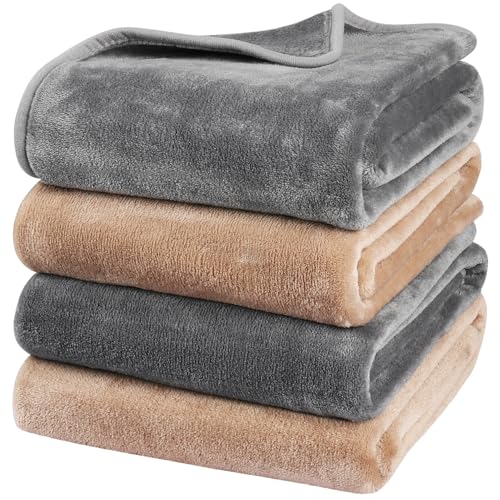
Eterish Disposable Pee Pads Bulk Pack
Budget-friendly backup for travel and emergencies

How Washable Pee Pads Work
A well-made washable pee pad is not just a single layer of fabric. It is an engineered stack of materials, each with a specific purpose.
The Top Layer
The surface your dog lies on or steps on is designed to wick moisture away quickly. This keeps the top of the pad feeling relatively dry even after an accident. Look for pads with a soft, quilted or microfiber top that feels comfortable against your dog's skin. Fast wicking prevents your dog from lying in wetness, which helps prevent skin irritation.
The Absorbent Core
Underneath the top layer, one or more absorbent layers do the heavy lifting. The best pads use multiple layers of dense, absorbent material that can hold a surprising amount of liquid. Some premium pads can absorb several cups of fluid, which matters for large dogs or overnight use. The absorbent core is also where odor-control technology, if present, tends to reside.
The Waterproof Backing
The bottom layer is a waterproof membrane, usually made from PUL (polyurethane laminate) or a similar material. This is the most critical layer because it is what protects your floors, furniture, and bedding. A failed waterproof layer means leaks, and leaks mean you have an expensive rag instead of a functional pad. Quality PUL backing remains waterproof through hundreds of washes.
The Non-Slip Base
Many washable pads include a non-slip surface on the very bottom, usually small silicone dots or a textured material. This keeps the pad from sliding around when your dog steps on it or lies down, which is especially important for senior dogs who may already have traction issues on smooth floors.
Choosing the Right Size
Size matters more than most people expect. A pad that is too small will get missed or overflow around the edges. Here is a practical sizing guide.
- Small (18 x 24 inches): Suitable for toy breeds and small dogs under 15 pounds. Good for crate lining and small sleeping areas.
- Medium (24 x 36 inches): Works for dogs 15 to 40 pounds. Covers a reasonable floor area and fits inside most medium crates.
- Large (36 x 48 inches): Ideal for dogs 40 to 80 pounds. Provides enough coverage for larger sleeping areas and gives your dog room to adjust position.
- Extra Large (48 x 60 inches or larger): Necessary for giant breeds or for covering large bed surfaces. Some owners use these as full mattress protectors on their own bed if their dog sleeps with them.
When in doubt, go one size larger than you think you need. A bigger pad catches more and gives your dog better coverage, especially if they move around during sleep.
Washable Pee Pads by Size
- Pet Parents Pawtect Pads (2-Pack, 18x24) — Premium washable pee pads with waterproof backing, ideal for small dogs and crate liners
- Pet Parents Pawtect Pads (2-Pack, 34x36) — Large reusable pee pads, waterproof, machine washable, for medium to large dogs
- Browse All Washable Pee Pads on Amazon
What to Look for When Buying
Not all washable pee pads are created equal. Here are the features that separate a pad you will love from one that ends up in the donation pile.
Absorbency Rating
Some manufacturers list the absorbency in cups or ounces. For a medium to large senior dog, look for pads that can hold at least three to four cups. If your dog has heavy incontinence or you need overnight protection, look for even higher absorbency or plan to layer two pads.
Number of Layers
More layers generally means more absorbency and better performance. Budget pads may have three layers while premium pads often have four or five. The extra layers add some thickness and weight but significantly improve how much the pad can handle.
Stitching Quality
Reinforced edges and double stitching help the pad hold up through repeated washing. Check reviews for comments about pads coming apart at the seams or the backing separating from the absorbent layers after a few months of use.
Odor Control
Some pads include activated charcoal or antimicrobial treatments in the absorbent layer to help control odor between washes. While not essential, this can be a nice feature if the pad will sit for several hours before you can wash it.
Top-Rated Washable Pee Pads
- 5-Layer Waterproof Washable Pee Pads - Premium absorbency with reinforced construction
- Non-Slip Pee Pads with Charcoal Layer - Odor-controlling with grippy bottom
- Multi-Pack Washable Pee Pads - Build your rotation at a better per-pad price
Machine Washing Tips for Maximum Longevity
How you wash your pee pads directly affects how long they last and how well they perform. Follow these guidelines to get the most out of your investment.
Pre-Wash Prep
Shake or scrape off any solid waste over a toilet before putting the pad in the washing machine. If the pad is heavily soaked, give it a quick rinse in a utility sink or bathtub before loading it into the washer. This prevents overwhelming the machine and helps keep it clean.
Washing Settings
Use warm or hot water on a regular cycle. Cold water does not clean as effectively when dealing with urine. Use a mild, unscented detergent in the recommended amount. Avoid bleach unless the manufacturer specifically says it is safe, as bleach can damage the waterproof backing over time.
What to Avoid
Fabric softener is the enemy of washable pee pads. It coats the fibers with a waxy residue that repels moisture instead of absorbing it. Dryer sheets have the same effect. If your pads seem to be losing absorbency, fabric softener buildup is usually the culprit. A few washes with hot water and a cup of white vinegar can help strip the buildup away.
Drying
Tumble dry on low heat or hang to dry. High heat can damage the waterproof PUL layer and cause it to delaminate over time. If you are air drying, drape the pad flat rather than folding it over a line to ensure even drying throughout the layers.
Where to Use Washable Pee Pads
Washable pee pads are more versatile than most people realize. Here are the most common places owners use them.
Under the Dog's Bed
Placing a pad under your dog's bed or inside a bed cover provides a safety net for overnight accidents. This is especially important for orthopedic memory foam beds that are difficult and time-consuming to wash.
On Furniture
If your dog has couch privileges, a washable pad on their favorite spot protects the cushions without making the furniture look clinical. Many pads come in neutral colors that blend in reasonably well.
In the Car
Drape a washable pad over the back seat for vet visits and outings. The waterproof backing protects car upholstery, and the pad washes clean when you get home.
Diaper-Free Time Zones
When you give your diapered dog a break to let the skin breathe, place a washable pad underneath them. This contains any accidents while still giving the skin relief from the diaper.

Cost Comparison: Washable vs Disposable
Here is a rough comparison to help frame the economics. A large disposable pee pad costs roughly 30 to 50 cents each, and most senior dog owners go through two to four per day. That works out to about 20 to 60 dollars per month, or 240 to 720 dollars per year.
A quality set of six large washable pee pads costs around 40 to 80 dollars upfront. With proper care, they last eight to twelve months or longer. Even accounting for the extra water and energy from more laundry loads, washable pads typically save hundreds of dollars per year.
The savings become more dramatic for owners of large or giant breeds who need extra-large pads, where disposable costs can be even higher.
Building Your Pad Rotation
A practical rotation system keeps you from ever running short. Start with at least four pads: two in active use and two in the wash or drying. If your dog uses pads in multiple locations, add one or two more per spot. Having six to eight pads gives you a comfortable buffer that accounts for laundry delays, unexpected messes, and heavy use days.
Label your pads with a small mark if you want to track how many washes each has been through. This helps you identify when a pad is approaching the end of its useful life so you can replace it before the waterproof layer fails.
Washable pee pads are one of those products that genuinely make life better once you establish a routine. The upfront investment pays for itself quickly, and the daily convenience of simply tossing a used pad in the hamper rather than constantly restocking disposables is a small but meaningful quality-of-life improvement for both you and your senior dog.
Related Guides
- Best Waterproof Bed Covers for Dogs - Protect beds with waterproof covers alongside pee pads.
- Best Dog Diapers for Incontinence - Combine pads with diapers for comprehensive incontinence management.
- Best Waterproof Dog Beds - Waterproof beds add another layer of protection.
Pet Insurance · Sponsored
Protect Your Senior Dog From Surprise Vet Bills
Senior dogs are more likely to face arthritis, lumps, dental disease, and sudden emergencies, and a single visit can run into the hundreds or thousands. Pet insurance can help you say yes to the care your dog needs without draining your savings. Get a free quote and see what coverage fits.
Frequently Asked Questions
How many washable pee pads do I need?
Most owners find that four to six pads provide a comfortable rotation, allowing some to be in use while others are in the wash and drying. If your dog uses multiple pads daily or you prefer to do laundry less frequently, eight to ten pads give you more flexibility. Start with four and add more as you learn your routine.
How do you wash reusable dog pee pads?
Shake off any solid waste into the toilet, then machine wash on a warm or hot cycle with a mild, unscented detergent. Avoid fabric softener, as it coats the fibers and reduces absorbency. You can add a half cup of white vinegar to the rinse cycle to help neutralize odors. Tumble dry on low or hang to dry.
Do washable pee pads really hold up to heavy use?
Quality washable pee pads are designed to handle hundreds of washes without losing absorbency. Look for pads with multiple inner layers and reinforced stitching. Lower-quality pads may start to lose their waterproof backing after fifty or so washes. Reading reviews about long-term durability before purchasing is a good practice.
What size washable pee pad should I get?
For small dogs, a pad around 18 by 24 inches is usually sufficient. Medium dogs do well with 24 by 36 inches. Large and extra-large dogs need 36 by 48 inches or larger. When in doubt, go bigger. A pad that is too small leads to misses around the edges, which defeats the purpose.
Can I use washable pee pads on furniture and in the car?
Absolutely. Washable pee pads work well as furniture protectors, car seat covers, and crate liners. Their waterproof backing protects whatever surface they are placed on. Some owners keep dedicated pads for the couch, the car, and the dog's bed in addition to floor pads.
Do washable pee pads smell?
When washed regularly, quality pee pads should not retain odor. If they start to smell even after washing, try soaking them in a solution of water and white vinegar before washing, or add an enzyme-based laundry booster to the wash cycle. Avoid fabric softener, which can trap odors in the fibers.
Are washable pee pads better than disposable ones?
Washable pads are more cost-effective over time, produce less waste, and are often more absorbent than disposable alternatives. Disposable pads are more convenient for travel or situations where laundry is not practical. Many owners use washable pads at home and keep disposable pads on hand for outings and emergencies.
Need more help with your aging dog?
Browse our guides by topic to find practical solutions.
Wellness Planner — $39