Best Dog Diapers for Incontinence (2026 Picks)
Best dog diapers for incontinence in 2026: disposable vs washable compared. Sizing guide, absorbency ratings, and top picks for senior dogs. Side-by-side.
When your senior dog starts having accidents in the house, the first emotion is usually worry. But incontinence is one of the most common issues in aging dogs, and the practical side of managing it has never been easier. Dog diapers have come a long way from the ill-fitting novelties of years past. Today, you can find well-designed products that keep your dog comfortable, your home clean, and your stress levels manageable.
The big decision most owners face is whether to go with disposable diapers or washable ones. Each has real advantages depending on your situation, and many people find that a combination of both works best. This guide walks through everything you need to know to make the right choice for your dog.
Best Dog Diapers for Incontinence

Pet Parents Disposable Dog Diapers
Convenient leak-proof diapers for daily use
Pet Parents Washable Reusable Dog Diapers
Eco-friendly and cost-effective diaper option

Understanding Your Dog's Incontinence Needs
Before choosing a diaper, it helps to understand what kind of incontinence your dog is dealing with. This affects which style and absorbency level you need.
Urinary Incontinence Only
This is the most common type in senior dogs. You may notice small dribbles when your dog is sleeping, standing up, or walking around. For male dogs with urinary-only incontinence, a belly band or male wrap is often the simplest and most comfortable solution. For female dogs, a full diaper or a specially shaped female wrap works best.
Fecal Incontinence
Some older dogs lose bowel control as well, though this is less common. If your dog has fecal incontinence, you need a full diaper with a tail hole that provides rear coverage. Belly bands will not be sufficient in this case.
Combined Incontinence
Dogs dealing with both urinary and fecal issues need a full-coverage diaper with high absorbency. These situations also require more frequent changes and extra attention to skin health.
Disposable Dog Diapers: Convenience at a Cost
Disposable dog diapers work much like human baby diapers. They have an absorbent core, a waterproof outer layer, and adhesive or Velcro tabs for closure. You use them once and throw them away.
Advantages of Disposable Diapers
- Zero laundry: Simply remove, dispose, and replace with a fresh one.
- Higher absorbency per use: Many disposable diapers have gel-based absorbent cores that lock in moisture effectively.
- Great for travel: No need to carry soiled diapers home.
- Easy to keep in stock: Buy in bulk and always have them on hand.
Drawbacks of Disposable Diapers
- Ongoing cost: At one to three dollars per diaper and multiple changes per day, costs add up quickly.
- Environmental impact: Each used diaper goes to a landfill.
- Fit inconsistencies: Some brands fit certain body types better than others, and you may need to try several before finding the right one.
- Crinkly texture: The plastic backing can be noisy and feel less natural against the skin.
Popular Disposable Dog Diapers
- Disposable Dog Diapers for Female Dogs - Full coverage with adhesive closures
- Disposable Male Dog Wraps - Lightweight wraps designed for male anatomy
- Bulk Packs of Dog Diapers - Stock up and save on per-diaper cost
Washable Dog Diapers: Sustainable and Soft
Washable diapers are made from fabric, typically with a soft inner lining, an absorbent middle layer, and a waterproof outer shell. They fasten with Velcro or snaps and go in the washing machine after use.

Advantages of Washable Diapers
- Cost-effective long term: A set of six to eight diapers can last months with proper care.
- Better fit: Fabric conforms to your dog's body and adjustable closures allow fine-tuning.
- Softer on skin: Cotton and microfiber linings are gentler than plastic-backed disposables.
- Eco-friendly: Dramatically less waste than disposables.
- Quieter: No crinkling sounds that can bother sensitive dogs.
Drawbacks of Washable Diapers
- Laundry commitment: You will be doing extra loads of wash, potentially daily.
- Lower absorbency per layer: Fabric alone absorbs less than gel-core disposables, though you can add booster pads.
- Drying time: You need enough diapers in rotation to account for washing and drying cycles.
- Higher upfront cost: A good set of washable diapers costs more initially than a package of disposables.
Top-Rated Washable Dog Diapers
- Pet Parents Washable Dog Diapers (3-Pack, XL) — Premium reusable diapers with Extendrs for adjustable fit, machine washable
- Pet Parents Washable Belly Bands for Male Dogs (3-Pack) — Premium male dog wraps with absorbent inner layer
- Browse All Washable Dog Diapers on Amazon
Male Wraps vs Full Diapers: Which Does Your Dog Need?
This is one of the first decisions to make, and the answer depends mostly on what type of incontinence your dog has and their sex.
Male Wraps (Belly Bands)
A belly band wraps around your male dog's midsection, covering the urinary area only. It secures with Velcro at the top of the back. Belly bands are easier to put on and take off, less bulky, and more comfortable for dogs who resist wearing a full diaper. They are ideal for urinary dribbling and marking, but they will not contain fecal accidents.
Full Diapers
Full diapers look like baby diapers with a tail hole cut in the back. They cover both the urinary and rectal areas. Female dogs almost always need a full diaper shape due to anatomy. Male dogs who have both urinary and fecal incontinence also need full diapers. The trade-off is that they are bulkier and some dogs find them more annoying to wear.
Getting the Right Fit
A poorly fitting diaper is worse than no diaper at all. It will leak, chafe, and frustrate both you and your dog. Here is how to get the sizing right.
How to Measure
Use a soft measuring tape to measure your dog's waist at the narrowest point just in front of the hind legs. This is the most important measurement. Some brands also ask for weight as a secondary reference. Write down the measurement and compare it to the manufacturer's size chart before ordering.
Fit Tips
- You should be able to slide two fingers between the diaper and your dog's skin. Tighter than that risks chafing; looser invites leaks.
- The tail hole should be snug but not tight. If it gapes, waste can escape around the edges.
- For dogs between sizes, go up rather than down. You can always tighten the tabs, but you cannot stretch an undersized diaper.
- Try a few brands if the first one does not fit well. Body shapes vary widely between breeds, and no single brand fits every dog perfectly.

Maximizing Absorbency and Preventing Leaks
Even the best diaper will leak if it is overwhelmed. Here are practical strategies for keeping things dry.
Use Booster Pads
Booster pads are thin, absorbent inserts that fit inside any diaper. They are especially useful at night when you cannot change the diaper as frequently. A booster pad can double the absorbency of a washable diaper, making it comparable to a disposable.
Change Frequently
No diaper has unlimited capacity. Check every two to three hours during the day and change immediately after bowel movements. A consistent changing schedule prevents leaks and protects your dog's skin.
Pair with Waterproof Bed Covers
Even with a good diaper, it is wise to protect your dog's sleeping areas with waterproof covers or washable pee pads. This provides a safety net for overnight leaks and saves you from having to wash bed inserts constantly.
Leak Prevention Essentials
- Dog Diaper Suspenders - Keep diapers securely in place on active dogs
- Waterproof Dog Bed Covers - Protect bedding from overnight leaks
- Washable Pee Pads - Reusable protection under sleeping areas
Protecting Your Dog's Skin
Skin health is the most important aspect of long-term diaper use. Urine and moisture trapped against the skin can cause irritation, redness, and sores if not managed carefully.
Before putting on a fresh diaper, clean the area thoroughly with unscented dog wipes or a warm, damp cloth. Pat the skin completely dry. Apply a thin layer of barrier cream or balm designed for dogs. This creates a protective layer between the skin and any residual moisture.
Give your dog diaper-free time whenever possible. Even thirty minutes on a washable pee pad allows the skin to air out and recover. Watch for redness, rashes, or any signs of irritation, and consult your veterinarian if you notice persistent skin issues.
A Practical Approach to Daily Diaper Management
Managing a diaper routine does not have to be overwhelming. Most owners settle into a rhythm within the first week. Keep a changing station stocked with diapers, wipes, barrier cream, and a small trash bag for disposables. Set reminders on your phone for regular checks until it becomes second nature.
Many owners use washable diapers during the day when they can change frequently, and switch to a higher-absorbency disposable for overnight when changing is not practical. This hybrid approach balances cost, convenience, and comfort in a way that works for most households.
Above all, remember that incontinence is not something your dog can control, and it is not something to feel embarrassed about. With the right products and a consistent routine, you can keep your senior dog clean, comfortable, and dignified through this stage of their life.
Related Guides
- Senior Dog Incontinence: Causes and Solutions - Understand why incontinence happens and explore all management options.
- Best Dog Belly Bands - A lighter alternative for male dogs with urinary incontinence.
- How to Keep an Incontinent Dog Clean - Daily hygiene routines to pair with diaper use.
Pet Insurance · Sponsored
Protect Your Senior Dog From Surprise Vet Bills
Senior dogs are more likely to face arthritis, lumps, dental disease, and sudden emergencies, and a single visit can run into the hundreds or thousands. Pet insurance can help you say yes to the care your dog needs without draining your savings. Get a free quote and see what coverage fits.
Frequently Asked Questions
How do I know what size dog diaper to buy?
Measure your dog's waist at the narrowest point just in front of the hind legs. Most brands provide a sizing chart based on waist measurement and weight. If your dog falls between sizes, go with the larger option to avoid chafing. Adjustable tabs help fine-tune the fit once the diaper is on.
What is the difference between a male wrap and a full diaper?
A male wrap, also called a belly band, wraps around your dog's midsection and covers only the urinary area. A full diaper covers both the urinary and rectal areas with a tail hole in back. Male wraps work well for urinary incontinence only, while full diapers are better for dogs with both urinary and fecal issues.
How often should I change my dog's diaper?
Check the diaper every two to three hours and change it as soon as it is soiled. Leaving a wet or dirty diaper on too long can cause skin irritation, urine scald, and bacterial infections. Overnight, consider using a higher-absorbency diaper paired with a waterproof bed cover.
Can dogs wear diapers all day?
Dogs can wear diapers throughout the day, but they need regular changes and diaper-free breaks to let the skin breathe. Aim for at least a few hours of diaper-free time each day when possible, ideally on a washable pee pad. Apply a barrier cream before putting a fresh diaper on to protect the skin.
Are washable dog diapers worth the extra cost?
Washable diapers typically pay for themselves within a few weeks compared to disposables. They also tend to fit better, feel softer against the skin, and produce less waste. The main trade-off is the laundry commitment. Many owners keep a set of six to eight washable diapers in rotation and use disposables only for travel or overnight.
My dog keeps pulling their diaper off. What can I do?
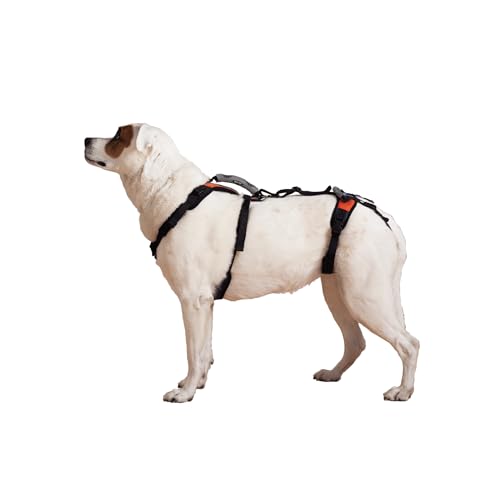
Try a diaper with suspender-style straps that go over the shoulders to keep the diaper in place. You can also try a snugger fit or a onesie-style bodysuit designed to hold diapers securely. Some owners find that belly bands with Velcro closures stay on better than full diapers for determined dogs.
Do dog diapers cause urinary tract infections?
Diapers themselves do not cause infections, but leaving a wet diaper on for too long creates a warm, moist environment where bacteria can thrive. Frequent changes, thorough cleaning of the diaper area at each change, and diaper-free time all help prevent infections. If you notice signs like frequent urination, strong odor, or discomfort, consult your veterinarian.
Need more help with your aging dog?
Browse our guides by topic to find practical solutions.
Wellness Planner — $39