Heated vs Orthopedic Dog Beds for Seniors
Heated vs orthopedic dog beds: compare when heat therapy helps vs when support matters more, plus our top picks for arthritic senior dogs.
Your senior dog has arthritis, and you want to make their sleeping spot as comfortable as possible. But should you invest in a heated bed for warmth therapy or an orthopedic bed for structural joint support? These two bed types address different aspects of arthritis discomfort, and understanding which one your dog needs most -- or whether they need both -- can make a real difference in their daily comfort.
Quick Comparison Picks

BECEMURU K&H Pet Products Heated Dog Bed Indoor
Heated orthopedic bed with dual thermostat and bolster edges
Rainmr Big Barker 7" Orthopedic Bed
Premium 7-inch orthopedic bed with 10-year no-flatten guarantee
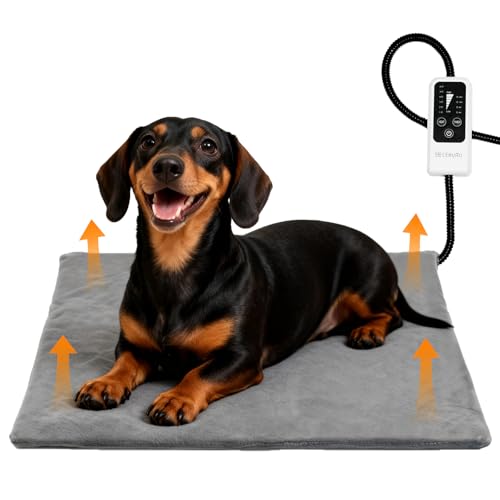
BECEMURU K&H Lectro-Soft Heated Outdoor Bed
Budget-friendly heated pad that fits inside existing beds
BECEMURU FurHaven Heated ThermaNAP Bed
Heated self-warming bed combining reflective technology and electric warmth
Quick Verdict
Choose an orthopedic bed if you can only buy one bed -- structural joint support is the foundation of comfortable sleep for any senior dog. Add heat if your dog is noticeably stiffer in cold weather, has arthritis that worsens seasonally, or lives in a cold climate. Best of both worlds: A heated orthopedic bed or an orthopedic bed with a heated pad insert gives your arthritic senior the ultimate comfort setup.
If You Can Only Choose One
An orthopedic bed is the priority. Every senior dog with joint issues needs proper structural support to prevent pressure points and maintain joint alignment during sleep. Heat is a valuable add-on, but without proper support underneath, it cannot solve the core comfort problem.
How Orthopedic Beds Help Senior Dogs
An orthopedic bed addresses the mechanical side of joint comfort -- how your dog's body is physically supported during the 14 to 18 hours a day senior dogs spend resting:
- Pressure distribution: Spreads your dog's weight across the entire sleeping surface, preventing concentrated force on bony joints like hips and shoulders
- Spinal alignment: Maintains proper body position, reducing strain on the spine and supporting natural joint angles
- Getting up easier: Firm support foam gives dogs a stable platform to push against when rising -- unlike soft beds that make standing up a struggle
- Prevents bottoming out: High-density foam prevents heavy or large dogs from sinking through to the hard floor underneath
- Year-round benefit: Support matters in every season, not just cold weather

How Heated Beds Help Senior Dogs
A heated bed addresses the therapeutic side of joint comfort -- using warmth to directly treat arthritis symptoms:
- Increased blood flow: Heat dilates blood vessels around joints, bringing more oxygen and nutrients to inflamed tissue
- Muscle relaxation: Warmth loosens tight muscles that compensate for painful joints, reducing secondary pain
- Reduced morning stiffness: Dogs sleeping on heated beds are noticeably more limber when they wake up, particularly in cold weather
- Pain gate modulation: Heat stimulates sensory nerve endings that can partially block pain signals to the brain
- Comfort for thin-coated or low-body-fat dogs: Senior dogs often lose muscle mass and body fat, making them more sensitive to cold
Types of Heated Dog Beds
- Electrically heated: Use a low-voltage heating element and thermostat. Provide consistent, controllable warmth. Require a power outlet.
- Self-warming: Use reflective materials (Mylar, thermal foil) to redirect the dog's own body heat. No electricity needed but provide less warmth.
- Microwaveable inserts: Provide temporary warmth for 3 to 5 hours. Good for travel or crate use but not for overnight heating.
Side-by-Side Comparison
| Factor | Orthopedic Bed | Heated Bed |
|---|---|---|
| Primary benefit | Structural joint support and pressure relief | Warmth therapy and blood flow |
| Best season | All year round | Fall/winter (biggest impact in cold) |
| Addresses | Pressure points, spinal alignment, getting up | Stiffness, muscle tension, cold sensitivity |
| Power needed | No | Yes (electric) or No (self-warming) |
| Safety concerns | Minimal | Cord chewing, overheating (quality beds mitigate this) |
| Price range | $50-$300 | $30-$150 |
| Durability | 3-10 years for quality foam | 2-5 years (heating element may fail) |
| Essential for | Every senior dog with joint issues | Dogs with cold-weather arthritis flare-ups |
When to Choose an Orthopedic Bed
- Your senior dog has arthritis, hip dysplasia, or joint pain of any kind
- Your dog weighs over 40 pounds (larger dogs need structural support to avoid bottoming out)
- You live in a mild climate where cold is not a major factor
- Your dog struggles to get up from soft or flat surfaces
- You want a year-round solution that does not depend on season or power
- This is your first investment in a senior dog bed (start here)
Top Orthopedic Bed Pick
Big Barker 7" Orthopedic Bed uses a 3-layer foam system clinically proven to reduce joint pain and stiffness. It is guaranteed not to flatten for 10 years -- making it the best long-term investment for a senior dog's comfort.
Check Price on AmazonWhen to Add a Heated Bed
- Your dog is noticeably stiffer on cold mornings or during winter
- Your dog seeks out warm spots (heating vents, sunny windows, fireplaces)
- Your home is drafty or kept at lower temperatures
- Your dog has thin coat, low body fat, or muscle wasting (common in aging)
- Your dog already has an orthopedic bed but still seems uncomfortable in cold weather
- Your vet has recommended heat therapy as part of arthritis management

The Best of Both: Heated Orthopedic Beds
The good news is that you do not have to choose. Several manufacturers now make beds that combine orthopedic foam support with built-in heating elements. These give your arthritic senior dog both structural support and warmth therapy in a single product.
Alternatively, you can add a heated pad insert to your existing orthopedic bed. Products like the K&H Lectro-Soft can be placed on top of or inside a bed cover, turning any orthopedic bed into a heated one. This is often the most cost-effective approach if you already own a quality orthopedic bed.
Best Combined Option
K&H Pet Products Heated Dog Bed Indoor combines a heated element with orthopedic foam and cozy bolster walls. The dual thermostat maintains safe, comfortable warmth, and the foam base provides genuine joint support -- not just a thin pad.
Check Price on AmazonOur Recommendation
Start with a quality orthopedic bed -- this is non-negotiable for any senior dog with joint issues. Proper support is the foundation of comfortable rest, and it benefits your dog every single day regardless of the weather.
Then, observe your dog through the seasons. If they are stiffer in cold weather, seek warmth, or have arthritis that clearly worsens in winter, add heat. Either upgrade to a heated orthopedic bed or place a heated pad insert on their existing orthopedic bed.
For dogs living in consistently cold climates or homes, investing in a heated orthopedic bed from the start is a smart move that addresses both needs simultaneously.
Related Guides
- Best Orthopedic Beds for Older Dogs - Our complete ranked reviews
- Best Heated Dog Beds for Arthritis - Top heated bed picks
- Orthopedic vs Memory Foam Beds - Understanding foam types
- Arthritis in Senior Dogs - Complete management strategies
Pet Insurance · Sponsored
Protect Your Senior Dog From Surprise Vet Bills
Senior dogs are more likely to face arthritis, lumps, dental disease, and sudden emergencies, and a single visit can run into the hundreds or thousands. Pet insurance can help you say yes to the care your dog needs without draining your savings. Get a free quote and see what coverage fits.
Frequently Asked Questions
Do heated dog beds actually help with arthritis?
Yes, heat therapy is well-documented to help with arthritis symptoms. Warmth increases blood flow to joints, relaxes surrounding muscles, reduces stiffness, and can decrease pain signaling. Many senior dogs are visibly more comfortable and mobile after sleeping on a heated bed, especially during cold weather. The benefit is most noticeable for dogs who are stiffer in the morning or during winter months.
Are heated dog beds safe to leave on all night?
Quality heated dog beds designed for pets are safe for overnight use. They use low-voltage heating elements (similar to a heating pad on low), have internal thermostats that prevent overheating, and many have chew-resistant cords and waterproof covers. Look for beds with UL or ETL safety certification. Never use a human heating pad as a substitute, as they can get too hot for dogs.
Can a heated bed be too hot for a dog?
Good heated dog beds have thermostats that regulate temperature to a safe range (typically around 102 degrees Fahrenheit, close to a dog's natural body temperature). They warm up to a comfortable level and maintain it. However, dogs that cannot reposition themselves (paralyzed or extremely immobile dogs) should be monitored, as prolonged contact with even moderate heat can cause skin irritation. Always provide your dog the ability to move off the heated surface.
What is the difference between a heated bed and a self-warming bed?
A heated bed uses an electric heating element to generate warmth, requiring a power outlet. A self-warming bed uses reflective materials (like Mylar or thermal foil) that bounce the dog's own body heat back to them. Heated beds provide more warmth and are better for dogs in cold environments or with significant arthritis. Self-warming beds provide moderate warmth without electricity and are good for mild cold sensitivity.
Do I need a heated bed if my dog already has an orthopedic bed?
Not necessarily. If your dog is comfortable and mobile on their current orthopedic bed, adding heat may not be needed. However, if your dog is noticeably stiffer in cold weather, reluctant to get up on chilly mornings, or has arthritis that worsens seasonally, a heated bed can provide meaningful additional relief. The ideal solution for severe arthritis is a bed that offers both orthopedic support and heat.
How much electricity does a heated dog bed use?
Most heated dog beds use between 30 and 60 watts -- roughly the same as a standard light bulb. Running a 40-watt heated bed for 12 hours per day costs approximately $1 to $2 per month on your electricity bill. This makes them very economical to operate, especially considering the comfort benefit for an arthritic dog.
My dog chews everything. Is a heated bed safe?
If your dog is a destructive chewer, a heated bed with an electrical cord poses a safety hazard. Look for heated beds with chew-resistant cord covers (steel-wrapped cords), or consider a self-warming bed that uses no electricity. Some heated beds also offer cordless, rechargeable options that eliminate the cord risk entirely. Never use a heated bed with an exposed or damaged cord.
Need more help with your aging dog?
Browse our guides by topic to find practical solutions.
Wellness Planner — $39