Senior Cavalier King Charles Spaniel Care
Essential care guide for aging Cavalier King Charles Spaniels covering MVD heart disease, syringomyelia, ear infections, and recommended products.
The Cavalier King Charles Spaniel is a dog that seems to have been purpose-built for companionship: gentle, affectionate, and endlessly devoted to their people. But behind those soulful eyes lies a breed burdened by some serious genetic health challenges, most notably a near-universal predisposition to heart disease. As your Cavalier enters their senior years, understanding and proactively managing these conditions can make the difference between a difficult decline and many more years of that warm, tail-wagging presence by your side. This guide covers the most critical health concerns for aging Cavaliers and the best strategies to support their quality of life.
Top Picks for Senior Cavalier King Charles Spaniels

VETIQ Vetoquinol Cardalis Heart Support
Veterinary heart health supplement supporting cardiovascular function with taurine and L-carnitine.
Veterinarian-recommended ear cleaning solution for breeds prone to chronic ear infections.
Memory foam bed with water-resistant liner for supportive, comfortable rest.
Nordic Naturals Omega-3 Pet Supplement
High-quality fish oil for cardiovascular support, coat health, and anti-inflammatory benefits.
When Is a Cavalier Considered Senior?
Cavalier King Charles Spaniels are technically considered senior around 7-8 years of age, with an average lifespan of 9-14 years. However, this breed is unique in that cardiac monitoring should begin significantly earlier. Because mitral valve disease affects Cavaliers at such high rates and often begins before they would traditionally be considered "senior," many veterinary cardiologists recommend annual cardiac screenings starting at age 3-4 and biannual checkups by age 5-6.
Your Cavalier's progression into the senior years may be marked by a decrease in energy, a persistent cough (which may signal heart disease progression), increased sleeping, or reduced enthusiasm for walks. Because Cavaliers are naturally gentle, calm dogs, the changes can be subtle.
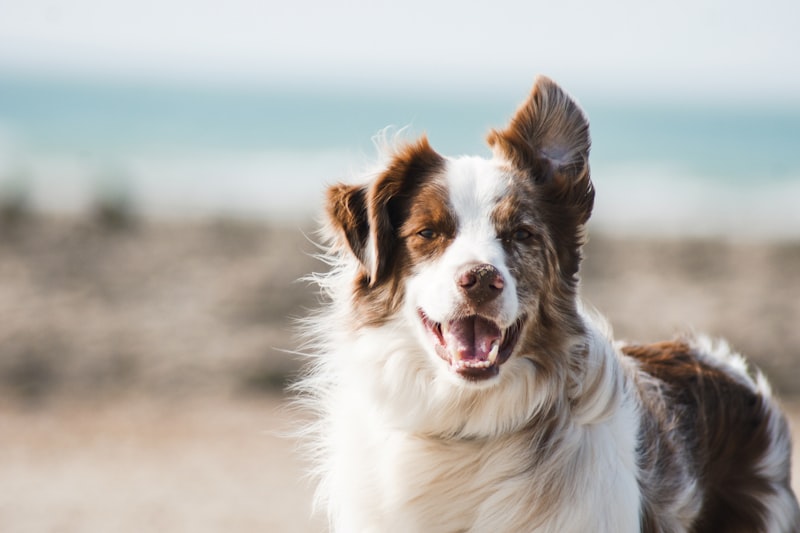
Mitral Valve Disease: The Cavalier's Greatest Challenge
Mitral valve disease (MVD) is the defining health concern of the Cavalier King Charles Spaniel. Research consistently shows that approximately 50% of Cavaliers develop a heart murmur by age 5, and nearly 100% are affected by age 10. This is a staggering statistic, far exceeding the rate of any other breed. MVD occurs when the mitral valve in the heart degenerates, allowing blood to leak backward. Over time, this can lead to an enlarged heart and eventually congestive heart failure (CHF).
Stages of MVD
- Stage A: At risk but no murmur detected yet (all Cavaliers start here)
- Stage B1: Murmur present but heart size is normal on imaging
- Stage B2: Murmur with evidence of heart enlargement
- Stage C: Current or previous signs of congestive heart failure
- Stage D: End-stage heart failure that is resistant to standard treatment
The EPIC Study and Early Treatment
The landmark EPIC study demonstrated that starting the medication pimobendan at Stage B2 (before symptoms appear) significantly delays the onset of heart failure and extends life by an average of 15 months. This is why regular cardiac screening with echocardiography is so critical: catching the transition from B1 to B2 gives you a window to intervene before clinical signs develop.
If your Cavalier has been diagnosed with MVD, work closely with a veterinary cardiologist rather than relying solely on a general practitioner. The nuances of cardiac medication management can make a significant difference in outcomes. For more information, see our heart disease in older dogs guide.
Heart Health Support
- CoQ10 Supplements for Dog Heart Health - Supports cellular energy production in the heart muscle
- Low-Sodium Senior Dog Food - Heart-friendly diets that reduce fluid retention
- Omega-3 Fish Oil for Cardiovascular Support - Reduces inflammation and supports heart function
Syringomyelia: Understanding the "Neck Scratcher"
Syringomyelia (SM) is a debilitating neurological condition that is alarmingly common in Cavalier King Charles Spaniels. It occurs because of Chiari-like malformation (CM), where the back of the Cavalier's skull is too small to properly accommodate the cerebellum. This causes cerebrospinal fluid to be forced into cavities (syrinxes) within the spinal cord, creating pain and neurological symptoms.
Studies suggest that up to 70% of Cavaliers have some degree of SM on MRI, though not all show clinical symptoms. Signs can appear at any age but often worsen in the senior years as the syrinxes enlarge over time.
Signs of Syringomyelia
- Phantom scratching: Scratching at the air near the ear without making contact, often while walking
- Sensitivity around the head, neck, and shoulder area
- Yelping or crying out seemingly without cause
- Reluctance to be touched on the head or have a collar placed
- Weakness or wobbliness in the limbs (in advanced cases)
Treatment typically involves pain management with medications such as gabapentin and sometimes surgery to decompress the skull. Always use a harness rather than a collar on a Cavalier to avoid putting pressure on the sensitive neck area.
Ear Infections: A Chronic Battle
Those beautiful, silky ears are unfortunately a breeding ground for infections. Cavaliers' long, heavy ear flaps create a warm, moist environment that bacteria and yeast thrive in. As dogs age, the ear canal can narrow, and wax production often increases, compounding the problem. Chronic ear infections are not just uncomfortable; left untreated, they can lead to permanent hearing loss.
Establish a weekly ear cleaning routine using a veterinary-approved ear solution. After baths or swimming, always dry the ears thoroughly. Keep the hair around the ear canal trimmed to improve airflow. If your Cavalier is shaking their head, scratching at their ears, or you notice redness, odor, or discharge, schedule a vet visit promptly. For product recommendations, see our ear cleaners guide.

Exercise for the Senior Cavalier
Cavaliers are moderate-energy dogs who enjoy walks and play but are not the endurance athletes that some breeds are. In the senior years, exercise should be gentle but consistent. Short walks of 15-20 minutes, twice daily, provide adequate activity for most senior Cavaliers. If your dog has heart disease, follow your cardiologist's specific exercise recommendations.
Watch for exercise intolerance, which is a key indicator of heart disease progression. If your Cavalier begins coughing during or after walks, seems excessively winded, or refuses to continue walking, report these changes to your vet immediately. Mental stimulation through puzzle toys and gentle training provides enrichment without cardiovascular strain.
Nutrition for the Aging Cavalier
Diet plays an important supporting role in managing your senior Cavalier's health. A high-quality senior dog food with moderate sodium levels is essential, especially if heart disease is present. Excessive sodium promotes fluid retention, which can worsen heart failure symptoms. Look for foods with added taurine and L-carnitine, amino acids that support heart muscle function.
Cavaliers are prone to weight gain, particularly as their activity decreases with age and heart disease. Keep your Cavalier at a lean body weight, as obesity significantly increases the workload on an already compromised heart. Measure meals carefully and limit treats to healthy, low-calorie options.
Ear and Grooming Care
- Virbac Epi-Otic Advanced Ear Cleanser - Veterinarian-trusted formula for weekly ear maintenance
- Ear Drying Powder for Dogs - Helps keep ear canals dry between cleanings
- Gentle Slicker Brush for Small Breeds - Keep the silky coat mat-free during regular grooming
Creating a Comfortable Home
Senior Cavaliers benefit from a warm, quiet environment with easy access to their favorite resting spots. Provide an orthopedic bed in a draft-free area, use ramps to prevent jumping on and off furniture, and keep food and water bowls on the same level as their primary living area. If your Cavalier has SM, avoid overhead handling and be gentle around the head and neck.
Cavaliers are companion dogs at heart, and social isolation causes them significant stress. Keep your senior Cavalier close to family activity even as they slow down. A bed in the living room, gentle petting sessions, and quiet time together are as important as any medical intervention.

Related Senior Dog Care Guides
- Heart Disease in Older Dogs - In-depth guide to managing canine cardiac conditions
- Best Heart Health Supplements - Compare supplements that support cardiovascular function
- Best Ear Cleaners for Senior Dogs - Product reviews for chronic ear care
- Signs Your Old Dog Is in Pain - Recognize subtle pain signals in your Cavalier
Pet Insurance · Sponsored
Protect Your Senior Dog From Surprise Vet Bills
Senior dogs are more likely to face arthritis, lumps, dental disease, and sudden emergencies, and a single visit can run into the hundreds or thousands. Pet insurance can help you say yes to the care your dog needs without draining your savings. Get a free quote and see what coverage fits.
Frequently Asked Questions
At what age is a Cavalier King Charles Spaniel considered senior?
Cavalier King Charles Spaniels are generally considered senior around 7-8 years of age. Their average lifespan is 9-14 years, but due to the high prevalence of heart disease in the breed, many Cavaliers begin requiring cardiac monitoring well before the traditional senior age. Biannual vet visits should start at age 5-6 for this breed.
Do all Cavalier King Charles Spaniels get heart disease?
Nearly all Cavaliers develop mitral valve disease (MVD) to some degree during their lifetime. Research shows that approximately 50% have a heart murmur by age 5, and virtually 100% are affected by age 10. The severity varies widely: some dogs live comfortably for years with mild MVD, while others progress to congestive heart failure. Regular cardiac screening is essential.
What is syringomyelia and how does it affect senior Cavaliers?
Syringomyelia (SM) is a condition where fluid-filled cavities develop within the spinal cord, usually caused by Chiari-like malformation where the skull is too small for the brain. It causes pain, phantom scratching (scratching at the air near the ear), sensitivity around the head and neck, and in severe cases, weakness. Up to 70% of Cavaliers have SM to some degree, though not all show symptoms.
How can I support my Cavalier's heart health naturally?
While medication prescribed by your vet is essential for managing MVD, supportive measures include maintaining a healthy weight, providing omega-3 fatty acids for cardiovascular support, feeding a diet moderate in sodium, ensuring gentle daily exercise, and adding heart-supporting supplements like CoQ10 and taurine (with your vet's guidance). Avoid excessive salt in treats and food.
Why does my senior Cavalier keep getting ear infections?
Cavaliers have long, pendulous ears that create a warm, moist environment ideal for bacterial and yeast growth. As dogs age, the ear canal can narrow and produce more wax. Weekly ear cleaning with a veterinary-approved ear solution, keeping ears dry after baths and swimming, and regular grooming of the ear hair can significantly reduce infection frequency.
Is exercise safe for a Cavalier with heart disease?
Gentle exercise is actually beneficial for Cavaliers with early to moderate heart disease, as it helps maintain muscle tone and healthy weight. Short, leisurely walks of 15-20 minutes are usually appropriate. However, avoid strenuous exercise, especially in heat. Watch for coughing during or after exercise, unusual panting, or fatigue. Your cardiologist can provide specific exercise guidelines based on your dog's heart disease stage.
Need more help with your aging dog?
Browse our guides by topic to find practical solutions.
Wellness Planner — $39