Old Dog Coughing & Gagging — Causes and Relief
Senior dog coughing and gagging? Learn about heart disease cough, collapsed trachea, kennel cough in seniors, and what products and steps bring relief.
A persistent cough in your older dog can be deeply worrying. Unlike a young dog who might cough briefly and move on, coughing in senior dogs often points to an underlying condition that deserves attention. The good news is that most causes of coughing in older dogs are manageable, and many respond well to treatment, especially when caught early.
This guide covers the most common reasons senior dogs cough and gag, helps you understand what different types of coughs can mean, and offers practical steps you can take at home to bring your dog some relief while working with your veterinarian on a diagnosis.
Products That Help with Coughing & Gagging
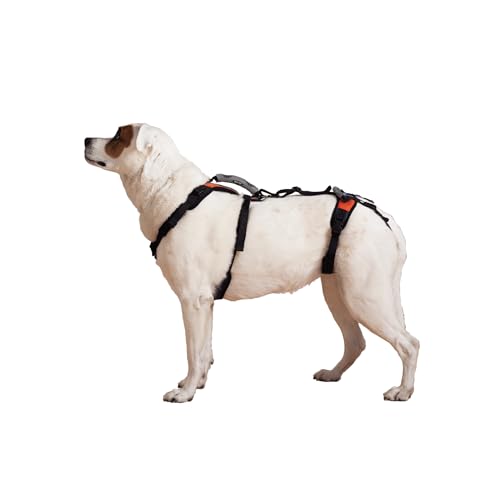
Help 'Em Up No-Pull Dog Harness
Eliminates tracheal pressure from collars for coughing dogs

Musher's Secret Cool Mist Humidifier
Adds moisture to dry air to soothe irritated airways


Veterinary Formula Dog Immune Support Supplement
Supports respiratory health in aging dogs
Understanding Your Dog's Cough
Not all coughs are the same, and the type of cough your dog has can provide useful clues about its cause. Paying attention to the sound, timing, and accompanying symptoms helps both you and your veterinarian narrow down possibilities.
A dry, honking cough that sounds like a goose often suggests tracheal collapse or upper airway irritation. A wet, moist cough that sounds like your dog is clearing fluid may indicate heart disease, pneumonia, or fluid in the lungs. A harsh, hacking cough followed by gagging or retching can signal kennel cough or chronic bronchitis. A soft, intermittent cough that seems worse at certain times of day may be related to allergies, acid reflux, or mild airway inflammation.
Major Causes of Coughing in Senior Dogs
Heart Disease
Heart disease is one of the most significant causes of coughing in older dogs and one of the most important to identify early. As the heart weakens, it can enlarge and press on the airways, or fluid can build up in and around the lungs. Both situations trigger coughing.
The heart disease cough is often worse at night or when the dog is lying down, because fluid shifts toward the lungs in a resting position. Your dog may also show other signs such as decreased stamina, faster breathing, a bloated abdomen, or bluish gums. If you notice any of these alongside coughing, please do not delay a veterinary visit. Heart disease in older dogs is very treatable when caught early, and medication can dramatically improve your dog's comfort and lifespan.
Tracheal Collapse
The trachea, or windpipe, is held open by C-shaped rings of cartilage. In some dogs, these rings weaken over time, allowing the trachea to flatten during breathing. This condition is most common in small and toy breeds like Yorkshire Terriers, Pomeranians, Chihuahuas, and Pugs, but it can occur in any breed.
The classic sign is a dry, honking cough that gets worse with excitement, exercise, pulling on a leash, or heat and humidity. Episodes can look alarming, as the dog may cough repeatedly and seem to struggle for breath. Switching from a collar to a harness is one of the most important first steps, as it removes all pressure from the trachea.

Chronic Bronchitis
Chronic bronchitis involves long-term inflammation of the bronchial tubes in the lungs. It causes a persistent cough that has been present for two months or more without an identified infectious cause. The cough is often dry and hacking, and episodes may end with gagging or retching. It is more common in middle-aged to senior dogs and can be worsened by environmental irritants like smoke, dust, or strong fragrances.
Kennel Cough in Senior Dogs
Kennel cough, or infectious tracheobronchitis, is not just a puppy problem. Older dogs with weaker immune systems are more susceptible and can have more severe cases. The cough is typically harsh, dry, and forceful, sometimes described as sounding like the dog has something stuck in their throat. It often develops after exposure to other dogs at boarding facilities, groomers, dog parks, or veterinary waiting rooms.
While kennel cough is usually self-limiting in healthy dogs, senior dogs may need supportive care or antibiotics to prevent secondary infections like pneumonia. Keeping your senior dog's vaccinations current, including the Bordetella vaccine, is an important preventive step.
Laryngeal Paralysis
Laryngeal paralysis occurs when the nerves controlling the muscles that open the larynx (voice box) stop functioning properly. This causes the laryngeal folds to hang into the airway, creating turbulent airflow. Dogs with this condition may have a changed bark, noisy breathing, coughing, and gagging, especially during eating or drinking. It is most common in large breed dogs like Labrador Retrievers and is sometimes part of a broader neurological condition.
Airway Comfort Products
- Padded No-Pull Harnesses - Protect the trachea by eliminating collar pressure
- Adjustable Elevated Dog Bowls - Reduce gagging during meals and water intake
- Cool Mist Humidifiers - Add moisture to dry air and soothe irritated airways
When to See the Vet — Red Flags
Any cough that persists for more than a few days in a senior dog warrants a veterinary evaluation. However, certain situations require more urgent attention:
- Coughing with labored or rapid breathing at rest
- Blue or pale gums during or after coughing episodes
- Coughing up blood or pink-tinged foam
- Loss of appetite or lethargy accompanying the cough
- Fainting or collapse during or after coughing
- Significant increase in coughing frequency or severity over days
- Cough with fever — your dog may feel warm to the touch, especially at the ears
- Abdominal distension combined with coughing
These signs can indicate heart failure, pneumonia, or other serious conditions that benefit from prompt treatment. When in doubt, a phone call to your veterinarian can help you determine how urgently your dog needs to be seen.

What You Can Do at Home
While your veterinarian works to identify and treat the underlying cause of your dog's cough, these practical steps can help reduce coughing episodes and make your dog more comfortable.
Switch to a Harness
If you have not already, replace your dog's collar with a well-fitted harness for all walks and leash activities. This single change eliminates pressure on the trachea and can significantly reduce coughing in dogs with airway conditions. Look for harnesses with padding across the chest and adjustable straps for a secure, comfortable fit.
Elevate Food and Water Bowls
Raising your dog's food and water bowls to a comfortable height reduces the need to bend down, which can help minimize gagging during meals. Adjustable-height stands are ideal because you can find the perfect level for your dog's size and comfort.
Manage Humidity and Air Quality
Dry air can irritate already sensitive airways. A cool mist humidifier in the room where your dog sleeps can help. Avoid exposing your dog to cigarette smoke, strong cleaning products, perfumes, scented candles, or heavy dust, all of which can trigger coughing episodes.
Maintain a Healthy Weight
Excess weight puts additional pressure on the chest and airways, making coughing worse regardless of the underlying cause. If your dog is overweight, work with your veterinarian on a gradual weight management plan that does not compromise nutrition.
Manage Excitement and Exertion
Many coughing conditions are worsened by overexcitement, vigorous exercise, or high temperatures. Keep walks moderate and well-paced, avoid vigorous play that leaves your dog panting heavily, and limit exposure to extreme heat or humidity. On hot days, early morning or evening walks are gentler on the airways.
Respiratory Support Products
- Immune and Respiratory Support Supplements - Help maintain airway health in senior dogs
- Slow Feeder Bowls - Reduce choking and gagging during meals
- Air Purifiers for Pet Homes - Remove airborne irritants that worsen coughing
Diagnosis and Treatment Options
Your veterinarian may use several tools to diagnose the cause of your dog's cough, including chest X-rays, blood tests, echocardiogram (ultrasound of the heart), or in some cases, a scope to directly visualize the airways. Understanding the diagnosis is crucial because treatments vary significantly between conditions.
Heart disease may be managed with diuretics, heart medications, and dietary changes. Tracheal collapse can often be controlled with cough suppressants, bronchodilators, weight management, and harness use. Chronic bronchitis may respond to anti-inflammatory medications. Kennel cough typically resolves with rest and sometimes antibiotics. Laryngeal paralysis may benefit from surgical intervention in severe cases.
Living with a Coughing Senior Dog
A cough does not have to define your dog's quality of life. With the right diagnosis, treatment plan, and home modifications, many dogs with chronic respiratory conditions live comfortably for years. The key is partnership with your veterinarian, consistency with treatments, and attention to environmental factors that can make the cough better or worse.
Document coughing patterns, note any triggers you identify, and keep your veterinarian updated on changes. Your daily observations are essential in fine-tuning your dog's treatment plan. You are your dog's best advocate, and the fact that you are seeking information means you are already doing right by them.
Related Guides
- Heart Disease in Older Dogs - Understand the connection between heart disease and coughing.
- Best Harnesses for Senior Dogs - Find a trachea-friendly harness for your coughing dog.
- Common Health Problems in Senior Dogs - Overview of conditions that may contribute to coughing.
- Signs Your Old Dog Is in Pain - Coughing can sometimes be a sign of underlying discomfort.
Pet Insurance · Sponsored
Protect Your Senior Dog From Surprise Vet Bills
Senior dogs are more likely to face arthritis, lumps, dental disease, and sudden emergencies, and a single visit can run into the hundreds or thousands. Pet insurance can help you say yes to the care your dog needs without draining your savings. Get a free quote and see what coverage fits.
Frequently Asked Questions
Why does my old dog cough and gag after drinking water?
Coughing or gagging after drinking water in senior dogs can indicate a collapsing trachea, laryngeal paralysis, or weakened throat muscles. When the trachea does not stay fully open, water can partially enter the airway and trigger a cough reflex. Elevated water bowls and encouraging slower drinking can sometimes help. If this happens frequently, your veterinarian should evaluate your dog to rule out structural issues in the airway.
Is a honking cough in my old dog serious?
A honking or goose-like cough is a classic sign of tracheal collapse, a condition where the cartilage rings supporting the trachea weaken and cause the airway to flatten. It is more common in small breeds but can affect any dog. While mild cases can often be managed with medication, weight management, and harness use instead of collars, more severe cases may require surgical intervention. A veterinary evaluation is important to determine the severity.
Can heart disease cause coughing in senior dogs?
Yes. Heart disease is one of the most important causes of coughing in older dogs. When the heart does not pump efficiently, fluid can accumulate in or around the lungs, causing a persistent cough that is often worse at night or after rest. The cough may sound wet or moist. If your senior dog has a cough that worsens when lying down, this should be evaluated by a veterinarian promptly, as heart-related coughing often responds well to treatment when caught early.
Should I use a harness instead of a collar for my coughing old dog?
Yes, this is strongly recommended. Collars put direct pressure on the trachea and can worsen coughing in dogs with tracheal issues, laryngeal problems, or any respiratory sensitivity. A well-fitted harness distributes pressure across the chest and shoulders instead, which is much gentler on the airway. This is one of the simplest and most effective changes you can make for a coughing senior dog.
Why does my old dog cough more at night?
Nighttime coughing in senior dogs is often associated with heart disease, as fluid redistribution when the dog lies down can increase pressure on the lungs. It can also be caused by post-nasal drip, acid reflux, or tracheal collapse worsening in certain sleeping positions. If your dog's cough is consistently worse at night, this is an important detail to share with your veterinarian, as it helps narrow down the possible causes.
Can kennel cough affect senior dogs?
Yes, and it can be more serious in older dogs. Kennel cough, or infectious tracheobronchitis, causes a harsh dry cough and can affect dogs of any age. Senior dogs with weakened immune systems are more susceptible and may take longer to recover. In some cases, kennel cough in seniors can progress to pneumonia. If your senior dog develops a sudden harsh cough, especially after exposure to other dogs, veterinary evaluation is recommended.
How can I help my old dog stop coughing?
The most important step is identifying the underlying cause with your veterinarian, as treatments differ significantly depending on whether the cough is from heart disease, tracheal collapse, infection, or another condition. In the meantime, using a harness instead of a collar, maintaining moderate humidity in your home, keeping your dog at a healthy weight, avoiding smoke and strong scents, and elevating food and water bowls can all help reduce coughing episodes.
Need more help with your aging dog?
Browse our guides by topic to find practical solutions.
Wellness Planner — $39