Senior Basset Hound Care Guide
Complete guide for aging Basset Hounds covering ear infections, obesity management, IVDD, bloat prevention, and the best products for senior Bassets.
Basset Hounds are among the most recognizable and endearing breeds, with their droopy eyes, impossibly long ears, and a dignified waddle that makes everyone smile. Behind that laid-back exterior is a dog with one of the most remarkable noses in the canine world and a gentle, steadfast temperament. But as your Basset enters the senior years, their distinctive features bring distinct challenges. Those magnificent ears are a chronic infection risk, that long back is vulnerable to disc disease, their food obsession makes weight management a constant battle, and their deep chest puts them at risk for bloat. This guide covers everything you need to know about caring for your aging Basset Hound so they can enjoy a comfortable, healthy senior life.
Top Picks for Senior Basset Hounds
Virbac Epi-Otic Advanced Ear Cleanser
Veterinarian-recommended ear cleaning solution ideal for breeds with chronic ear infection risk.

Ceva Hill's Science Diet Weight Management
Clinically proven weight control formula that helps maintain lean muscle while reducing calories.
Adjustable raised feeding station that promotes proper posture and may reduce bloat risk.
PetSafe CozyUp Folding Dog Ramp
Lightweight folding ramp essential for protecting Basset Hound backs from jumping impact.
When Is a Basset Hound Considered Senior?
Basset Hounds typically enter their senior years between 7 and 9 years of age, with an average lifespan of 10-12 years. Some well-cared-for Bassets live to 13 or 14. Due to their unique build (heavy body, short legs, long back), orthopedic problems and ear infections are often well-established by the time the senior years arrive. Transitioning to biannual veterinary checkups by age 7 helps ensure these chronic conditions are monitored and managed effectively.
You may notice your Basset becoming even more relaxed (which is saying something for this naturally laid-back breed), developing stiffness after rest, showing less interest in their formerly beloved scent trails, or having more frequent ear problems. These changes warrant attention rather than being dismissed as "just getting old."
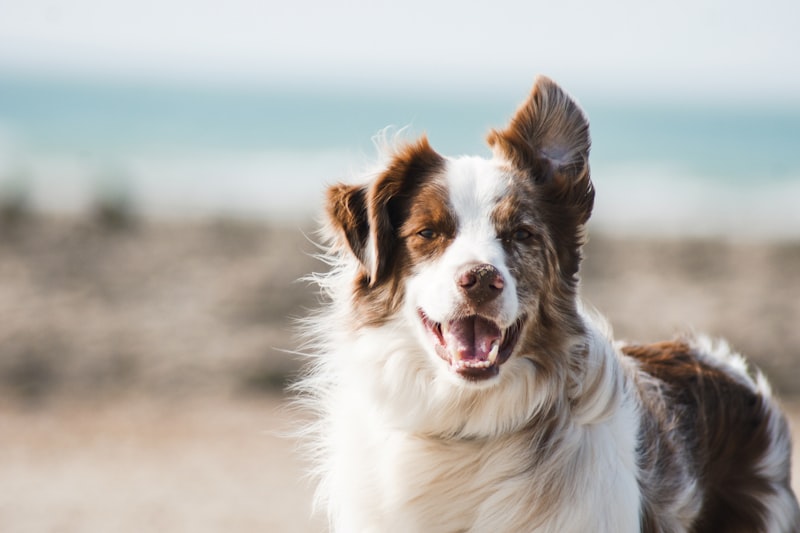
Ear Infections: A Lifelong Battle
If there is one health issue that defines the Basset Hound experience, it is ear infections. Those glorious, ground-sweeping ears are the breed's most distinctive feature and their greatest health liability. The ears are so long that they trap moisture, reduce ventilation to the ear canal, and essentially create a warm, dark incubator for bacteria and yeast. In the senior years, the ear canal often narrows further, wax production increases, and the immune system's ability to fight off infections declines.
Establishing an Ear Care Routine
Weekly ear cleaning is not optional for Basset Hounds; it is a medical necessity. Use a veterinary-approved ear cleaning solution (never water or vinegar solutions) and follow these steps:
- Fill the ear canal with cleaning solution
- Massage the base of the ear gently for 20-30 seconds
- Allow your Basset to shake their head
- Wipe the visible ear canal and ear flap with cotton balls (never use cotton swabs deep in the canal)
- Dry the ears thoroughly
Signs of an Active Infection
- Head shaking or tilting
- Scratching at the ears
- Redness, swelling, or warmth in the ear canal
- Foul odor or discharge (brown, yellow, or bloody)
- Pain when the ears are touched
- Loss of balance (if the inner ear is affected)
Chronic ear infections that are not properly treated can lead to permanent hearing loss, aural hematomas (blood-filled swelling on the ear flap), and painful ear canal calcification that may eventually require surgery.
Ear Care Essentials
- Virbac Epi-Otic Advanced Ear Cleanser - Vet-trusted formula for weekly maintenance
- Ear Drying Powder for Dogs - Reduce moisture in those deep ear canals
- Pre-Moistened Ear Cleaning Wipes - Quick daily maintenance between thorough cleanings
Obesity: The Silent Threat
Basset Hounds are genetically predisposed to obesity, and their legendary love of food makes weight management an ongoing challenge. In the senior years, as metabolism slows and activity naturally decreases, the problem often intensifies. Obesity in a Basset Hound is not merely a cosmetic concern; it is a dangerous amplifier of virtually every other breed-specific health issue.
Excess weight dramatically increases stress on the already-vulnerable spine (worsening IVDD risk), accelerates joint deterioration, increases the workload on the heart, elevates bloat risk, and can shorten your Basset's life by 1-2 years. A healthy Basset should have a discernible waist when viewed from above and ribs that can be felt through a thin layer of fat.
Weight Management Strategies
- Measure every meal with a cup or kitchen scale; never free-feed
- Switch to a senior weight management formula with reduced calories but adequate protein
- Eliminate table scraps entirely (Bassets are world-class beggars; stay strong)
- Use low-calorie treats: baby carrots, green beans, small pieces of apple
- Weigh monthly and track trends; your vet can help determine the ideal target
- Regular gentle exercise, even when your Basset would prefer the couch
For comprehensive strategies, see our weight management guide for older dogs.
IVDD: Protecting the Long Back
Basset Hounds are chondrodystrophic (dwarf) breeds with the same long-backed, short-legged anatomy that makes Dachshunds and Corgis vulnerable to intervertebral disc disease (IVDD). The excessive load on a disproportionately long spine causes premature degeneration of the intervertebral discs, which can bulge or rupture and press on the spinal cord.
Prevention is critical. Ramps should be placed at every elevated surface your Basset accesses, including beds, couches, and vehicles. Maintain a healthy weight to minimize spinal compression. Provide an orthopedic bed that properly supports the spine during rest. Avoid activities that involve jumping or twisting, and always support your Basset's chest and hindquarters when lifting.

Bloat: A Life-Threatening Emergency
Gastric dilatation-volvulus (GDV), commonly known as bloat, is a life-threatening emergency where the stomach fills with gas and may twist on its axis, cutting off blood supply. Basset Hounds are among the deep-chested breeds at elevated risk, and the risk increases with age. Without immediate emergency surgery, GDV is fatal.
Bloat Prevention Strategies
- Feed 2-3 smaller meals per day instead of one large meal
- Use a slow feeder bowl to prevent rapid eating
- Avoid vigorous exercise for 1-2 hours before and after meals
- Use elevated bowls at an appropriate height (not too high; your vet can advise)
- Keep fresh water available at all times but discourage gulping large amounts at once
- Discuss prophylactic gastropexy (stomach tacking) with your vet
Emergency Signs of Bloat
If your Basset shows any of these signs, seek emergency veterinary care immediately: distended or swollen abdomen, unproductive retching (trying to vomit but nothing comes up), restlessness, excessive drooling, rapid breathing, weakness, or collapse.
Weight and Digestive Health
- Slow Feeder Bowls for Bloat Prevention - Reduce eating speed and gulping air
- Adjustable Elevated Dog Bowls - Proper feeding posture for deep-chested breeds
- Weight Management Senior Dog Food - Calorie-controlled nutrition for obesity-prone breeds
Exercise for the Senior Basset Hound
Basset Hounds have never been the most energetic breed, and senior Bassets may seem content to sleep all day. However, regular gentle exercise is essential for maintaining muscle mass, joint health, and preventing the obesity that plagues this breed. Aim for two walks of 15-20 minutes daily at a pace your Basset sets.
Bassets are scenthounds at heart, and allowing them to follow their nose during walks provides both physical activity and mental stimulation. "Sniff walks" where your Basset is free to explore scents at their own pace are ideal. Avoid long-distance hikes, stairs when possible, and exercise in hot weather, as Bassets can overheat due to their heavy build.
Creating a Basset-Friendly Home
Install ramps everywhere your Basset needs to access elevated surfaces. Place non-slip rugs on smooth floors, as Basset Hounds' short legs and heavy bodies make them particularly prone to slipping injuries. Keep food stored securely (Bassets are remarkably resourceful when food is involved), and ensure your Basset has a comfortable orthopedic bed that supports their substantial weight and long spine.

Related Senior Dog Care Guides
- Best Ear Cleaners for Senior Dogs - Product reviews for chronic ear care
- Arthritis in Senior Dogs - Managing joint pain from IVDD and dysplasia
- Ramps vs. Stairs for Senior Dogs - Protecting long-backed breeds
- Weight Management for Older Dogs - Critical strategies for food-motivated breeds
Pet Insurance · Sponsored
Protect Your Senior Dog From Surprise Vet Bills
Senior dogs are more likely to face arthritis, lumps, dental disease, and sudden emergencies, and a single visit can run into the hundreds or thousands. Pet insurance can help you say yes to the care your dog needs without draining your savings. Get a free quote and see what coverage fits.
Frequently Asked Questions
At what age is a Basset Hound considered a senior?
Basset Hounds are typically considered senior between 7 and 9 years of age. Their average lifespan is 10-12 years, though well-cared-for Bassets can live to 13 or 14. Due to their heavy build and long backs, orthopedic issues and ear problems often begin before the senior years, so proactive monitoring should start by age 6-7.
Why are Basset Hound ears so prone to infections?
Basset Hounds have the longest ears of any breed, and these heavy, pendulous ears trap moisture, reduce airflow, and create a warm, dark environment where bacteria and yeast thrive. The ear canal in Bassets is also longer than in most breeds. Weekly cleaning with a veterinary-approved ear solution is essential, and ears should be dried thoroughly after baths or swimming.
How can I prevent obesity in my senior Basset Hound?
Basset Hounds are notoriously food-motivated and prone to weight gain, which becomes dangerous in their senior years. Measure every meal precisely, avoid table scraps entirely, use low-calorie treats, and ensure daily exercise even if just short walks. A senior weight management formula with fewer calories but adequate protein helps. Even a few extra pounds on a Basset significantly worsens joint and back problems.
Are Basset Hounds at risk for bloat?
Yes, Basset Hounds are among the breeds at increased risk for gastric dilatation-volvulus (GDV or bloat), a life-threatening emergency where the stomach fills with gas and potentially twists. Risk increases with age. Prevention strategies include feeding 2-3 smaller meals rather than one large meal, using an elevated bowl, avoiding vigorous exercise around mealtimes, and not using raised bowls that are too high.
What spinal problems affect senior Basset Hounds?
Basset Hounds are chondrodystrophic (dwarf) breeds with long backs and short legs, making them prone to intervertebral disc disease (IVDD). Senior Bassets may develop disc bulges or ruptures that cause back pain, weakness, or paralysis. Use ramps instead of stairs, maintain a healthy weight, avoid jumping, and provide an orthopedic bed that supports the spine.
How much exercise does a senior Basset Hound need?
Senior Bassets benefit from 20-30 minutes of gentle daily exercise, ideally split into two shorter walks. While Bassets are not high-energy dogs, regular movement is important for maintaining muscle mass, joint health, and preventing obesity. Let your Basset follow their nose at a comfortable pace. Avoid long distances, stairs, and hot weather exercise.
Need more help with your aging dog?
Browse our guides by topic to find practical solutions.
Wellness Planner — $39