Best Dog Ramps for Cars — SUVs, Trucks, and Sedans
Best dog ramps for cars compared by vehicle type. Folding vs telescoping ramps for senior dogs, with weight limits and sizing tips. Compared side-by-side.
Car rides used to be simple. Open the door, and your dog leaped in eagerly, ready for the adventure. But aging has a way of making once-easy things difficult, and for many senior dogs, the jump into a vehicle becomes one of the first activities that clearly signals something has changed.
A car ramp is one of the most practical investments you can make for your aging dog. It protects their joints from the impact of jumping in and out, gives you a way to transport them safely to vet appointments and outings, and keeps both of you from the risk of injury that comes with lifting a reluctant or heavy dog into a vehicle.
Best Car Ramps for Senior Dogs

PetSafe Happy Ride Telescoping Dog Ramp
Adjustable-length aluminum ramp that extends to fit almost any vehicle height, from sedans to tall SUVs. Portable with a high-traction surface. Our top pick for flexibility.

PetSafe Happy Ride Folding Pet Ramp
Lightweight folding ramp with a high-traction surface for cars, trucks, and SUVs. Folds in half for compact storage and is the easiest to carry.
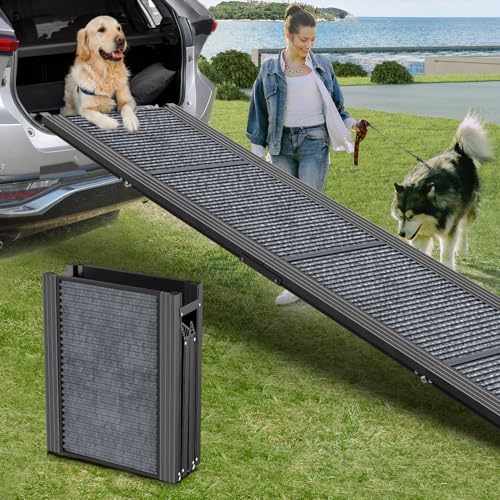
HerCcreta wigge Extra-Wide Folding Car Ramp (20 inch)
71-inch extra-long, 20-inch wide folding ramp with a non-slip rug surface. Holds up to 270 lbs, giving large and nervous dogs plenty of walking room.
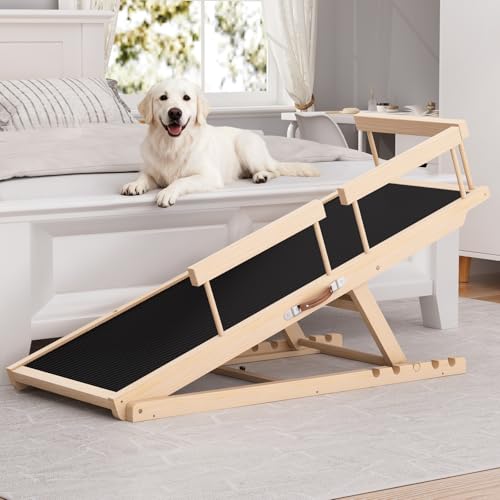
Chuiendi Wooden Dog Ramp with Safety Side Rails
Adjustable-height wood ramp with anti-slip rubber mat and safety side rails. Holds up to 250 lbs, added security for dogs with balance issues.
Why Car Ramps Matter for Senior Dogs
The jump into a car is surprisingly demanding on a dog's body. Getting in requires explosive power from the hindquarters, and the landing sends a shock through the front legs, shoulders, and spine. Getting out is essentially a controlled fall that the joints must absorb.
For a young, healthy dog, this is no problem. For a senior dog with arthritis, hip dysplasia, or general stiffness, each jump is a painful event that compounds existing damage. Many owners notice that car reluctance is one of the earliest signs of mobility decline, even before other symptoms become obvious.
A ramp transforms this high-impact activity into a gentle walk. No jumping, no awkward lifting, and no risk of a missed landing on the pavement. It also preserves your own back, which is no small consideration if you have been manually lifting a 70-pound dog into your SUV.
Types of Car Ramps
Folding Ramps
Folding ramps are the most common and straightforward option. They fold in half or thirds for storage and open up to a fixed length. Most folding ramps are made from lightweight plastic, aluminum, or composite materials with a non-slip walking surface.
Pros: Simple design, fewer moving parts, often the most affordable option, generally sturdy when fully extended.
Cons: Fixed length means you cannot adjust the incline for different vehicle heights. When folded, they can still be bulky depending on the design. The hinge point can sometimes flex under heavy dogs.
Folding Car Ramps
- PetSafe Happy Ride Folding Pet Ramp - Simple, reliable design that folds in half for storage
- Extra-Wide Folding Car Ramp (20 inch) - Heavy-duty folding option rated to 270 lbs for larger vehicles
Telescoping Ramps
Telescoping ramps extend and retract like a ladder, allowing you to adjust the length to match different vehicle heights. This makes them versatile for families with multiple vehicles or for dogs who travel in different cars.
Pros: Adjustable length for different vehicles, compact when retracted, easy to fine-tune the incline angle.
Cons: Generally more expensive than folding ramps. The telescoping mechanism adds complexity. Some models can feel less rigid than a solid one-piece design. They require a bit more setup time.
Telescoping Car Ramps
- PetSafe Happy Ride Telescoping Ramp - Adjustable length for any vehicle height
- Chuiendi Wooden Ramp with Side Rails - Adjustable height with safety rails for nervous dogs
Tri-Fold Ramps
Tri-fold ramps fold into three sections, creating a more compact storage footprint than bifold designs. They are a good compromise between portability and length, as they can provide a longer ramp surface while still fitting in a trunk or back seat when folded.
Car Steps
While not technically ramps, foldable car steps are worth mentioning for dogs who still have reasonable hind leg strength but just need a boost. Steps are more compact than ramps and work well for lower vehicles like sedans. However, for dogs with significant joint issues, a ramp is generally preferable because it avoids the stepping motion entirely.
Dog Car Steps
- Heeyoo Foldable Dog Car Steps - Compact 5-step solution with non-slip surface, holds up to 250 lbs
How to Choose the Right Car Ramp
Measure Your Vehicle
Before shopping, measure the height from the ground to the point where your dog needs to enter the vehicle. This is usually the trunk lip, the cargo area floor, or the back seat entry point. This measurement determines the ramp length you need.
As a general guide:
- Sedans and low cars (16-20 inches): A 4 to 5 foot ramp works well
- Standard SUVs and minivans (22-28 inches): A 5 to 6 foot ramp is ideal
- Trucks and tall SUVs (28-36 inches): A 6 to 7 foot ramp provides a safe incline
Consider Your Dog's Size and Weight
Weight capacity is critical. Always choose a ramp rated for more than your dog weighs. For a 70-pound Labrador, a ramp rated to at least 100 pounds is the minimum, but 150 is better for long-term durability and stability.
Width matters too. A ramp that is too narrow will make your dog feel insecure and reluctant to use it. For medium to large dogs, look for at least 16 to 20 inches of walking width.
Think About Surface Traction
The walking surface should provide reliable grip in all conditions, including when wet. High-traction surfaces include rubber-coated materials, sandpaper-like textures, and deeply textured plastic. Some ramps have raised cleats or ridges that give paws something to push against on the incline.
Avoid ramps with smooth surfaces or thin carpet coverings that can wear through quickly. If you frequently use the ramp in rain or snow, water-shedding materials are preferable to fabric coverings that get slippery when wet.
Evaluate Portability
You will be carrying this ramp every time your dog gets in and out of the car, so weight and handling matter. Most car ramps weigh between 10 and 20 pounds. Test whether you can comfortably carry, unfold, and set up the ramp by yourself. Some ramps come with carrying handles or shoulder straps that make transport easier.
Consider where you will store the ramp in your vehicle. It should fit in the trunk or cargo area without taking up too much space. Telescoping ramps typically have the most compact storage profile.
Materials Comparison
Aluminum
Aluminum ramps are lightweight and strong, making them the top choice for portability without sacrificing weight capacity. They resist rust and weather, which is important for a product that will be used outdoors in all conditions. The downside is that aluminum can be noisy and slippery when wet unless it has a quality non-slip coating.
High-Density Plastic
Plastic ramps offer a good balance of weight, cost, and durability. They are naturally quieter than aluminum and can be molded with integrated traction surfaces. The best plastic ramps use reinforced, UV-resistant materials that will not become brittle in sunlight over time.
Wood
Wooden car ramps are less common because of their weight, but some owners prefer them for their stability and natural feel. They are better suited for permanent installations, like a ramp kept in the garage, rather than for travel use.
Setting Up and Using Your Car Ramp Safely
Proper Positioning
Set the ramp on level ground whenever possible. The bottom of the ramp should sit flat and the top should rest securely on the vehicle's entry point. If the ramp has hooks or a lip, make sure they are properly engaged before your dog steps on.
Stability Check
Before each use, press down on the middle of the ramp to check for excessive flex or wobble. Step on the bottom yourself to make sure the feet are gripping the ground. This two-second check becomes second nature quickly and prevents accidents.
Supervised Use
Always stay next to the ramp while your dog is using it. Keep a hand near their harness or collar for guidance, especially during the training period. Even after your dog is comfortable with the ramp, your presence provides reassurance and allows you to catch any stumbles.
Weather Considerations
Rain, snow, and even morning dew can make ramp surfaces slippery. Wipe the ramp surface down before use in wet conditions, or keep a small towel with the ramp for this purpose. If you live in a wet climate, choose a ramp with raised cleats or a rubberized surface that maintains grip when damp.
Training Tips Specific to Car Ramps
Car ramps present unique training challenges compared to indoor ramps. The outdoor environment has more distractions, the vehicle is a different surface, and many dogs associate the car with veterinary visits, which can add anxiety to the mix.
Start training in a low-stress setting. Park the car in the driveway with the engine off and all doors open. Set up the ramp and let your dog investigate at their own pace. Use high-value treats and keep sessions short and upbeat.
Practice at home for several sessions before expecting your dog to use the ramp at a destination. The parking lot of a veterinary clinic, with its unfamiliar smells and sounds, is not the place for a first attempt.
If your dog is truly reluctant, consider using a rear support harness while they learn. The extra security of knowing you are supporting their back end can give them the confidence to try the ramp.
Top Car Ramp Picks
- Extra-Wide Folding Car Ramp (20 inch) - Heavy-duty option rated to 270 lbs for bigger breeds
- PetSafe Happy Ride Folding Pet Ramp - Lightweight and easy to carry and set up
- PetSafe Happy Ride Telescoping Ramp - High-traction surface for safe SUV and truck entry
Making Car Travel Comfortable for Your Senior Dog
A ramp solves the entry and exit problem, but also consider your dog's comfort during the ride. A padded, non-slip mat in the cargo area gives them a comfortable and secure surface to lie on. Orthopedic car mats or a folded memory foam bed can make longer drives much more pleasant for arthritic dogs.
If your senior dog has reached the point where car access is becoming difficult, it is a good time to also evaluate other areas of their life where jumping might be causing problems. Bed ramps, couch access, and stair navigation are all worth considering once you have seen how much a car ramp can improve their comfort and willingness to travel.
Related Guides
- Best Dog Ramps for Beds - Help your senior dog access furniture safely at home too.
- Dog Stairs vs. Ramps - Understand when a ramp is the better choice over stairs.
- Best Support Harnesses for Senior Dogs - Extra stability for getting in and out of vehicles.
Pet Insurance · Sponsored
Protect Your Senior Dog From Surprise Vet Bills
Senior dogs are more likely to face arthritis, lumps, dental disease, and sudden emergencies, and a single visit can run into the hundreds or thousands. Pet insurance can help you say yes to the care your dog needs without draining your savings. Get a free quote and see what coverage fits.
Frequently Asked Questions
What is the best type of ramp for getting a dog into an SUV?
For SUVs and other high vehicles, a telescoping or extra-long folding ramp works best because the added length creates a gentler incline. Look for ramps at least 60 to 72 inches long with a high weight capacity. Telescoping ramps are particularly versatile because they can be adjusted to different vehicle heights.
How long should a dog car ramp be?
The ramp should be long enough to create a comfortable incline, generally between 18 and 25 degrees. For a typical car trunk at about 24 inches high, a 5-foot ramp works well. For SUVs and trucks with cargo areas 30 or more inches high, you will want a ramp 6 to 7 feet long. Longer ramps are always easier on senior joints.
Are folding or telescoping dog ramps better for cars?
Folding ramps are simpler, often sturdier, and less expensive. Telescoping ramps are more versatile since they adjust to different heights and vehicles, and they typically store in a more compact shape. If you only use the ramp with one vehicle, a folding ramp is usually fine. If you need flexibility, a telescoping model is worth the extra cost.
How do I get my dog to use a car ramp?
Training follows the same principles as any ramp training. Start with the ramp flat on the ground and lure your dog across with treats. Gradually increase the incline over several sessions. Practice at home before using it at the car, where the environment is more distracting. Keep the car parked with the engine off during training.
Can a large dog use a portable car ramp?
Yes, but you need to choose carefully. Look for ramps with weight ratings of at least 150 to 200 pounds for large breeds, and check the width to ensure your dog can walk comfortably without feeling cramped. Aluminum ramps tend to be the strongest while remaining portable. Avoid lightweight plastic ramps for dogs over 60 pounds.
How do I keep a car ramp from sliding when my dog walks on it?
Most quality car ramps have rubber feet or non-slip pads on both ends. To improve stability further, make sure you are setting up on a level surface. Some ramps hook onto the bumper or trunk lip. If the ramp still slides, placing a non-slip rubber mat under the bottom feet can solve the problem.
Can I use a car ramp for other purposes like getting onto the porch?
Many car ramps are versatile enough to use for porch steps, raised decks, and other height transitions around the home. As long as the ramp length provides a comfortable incline and the weight capacity is appropriate, there is no reason to limit it to vehicle use only. Some owners keep one ramp in the car and a second at the porch or back door.
Need more help with your aging dog?
Browse our guides by topic to find practical solutions.
Wellness Planner — $39