Best Automatic Dog Feeders for Older Dogs
Top automatic feeders with portion control for senior dogs. Programmable schedules, medication timing, and the best options for weight management.
Feeding a senior dog isn't as simple as filling a bowl. Older dogs often need precisely measured portions, timed medication schedules, and multiple smaller meals throughout the day for optimal digestion. If you work outside the home — or just want consistent, reliable feeding — an automatic feeder takes the guesswork out of senior dog nutrition.
We've researched the best automatic feeders with senior-specific features in mind: portion precision, reliable scheduling, medication compatibility, and easy cleaning for dogs with compromised immune systems.
Top Automatic Feeder Picks for Senior Dogs

PetSafe Smart Feed Automatic Feeder
WiFi-enabled with app control and Alexa support. 6L hopper, programmable mealtimes, and backup batteries that keep meals delivering during power outages.

PETLIBRO Granary Automatic Feeder, 5L
5L capacity with a freshness-preservation seal and low-food sensor. Up to 10 meals per day, 5G WiFi app control. Desiccant keeps kibble fresh.

Closer Pets C500 5-Meal Digital Timer Feeder
Five tray-style compartments with stainless steel bowl and ice packs. Works with wet and dry food. Ideal for small seniors and timed wet meals.
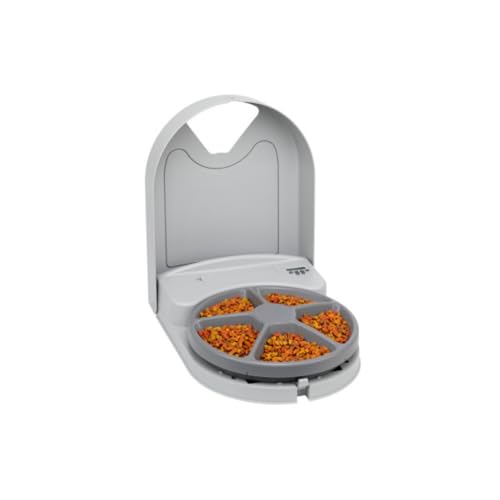
PetSafe Automatic Dog Feeder, 5 Meals
Simple 5-tray timer feeder. No WiFi needed. Battery powered with a reliable mechanical timer and 40oz capacity. Works for multiple pets.
Why Automatic Feeders Matter for Senior Dogs
Senior dogs thrive on consistency. Their aging digestive systems work best with regular meal times and measured portions. An automatic feeder provides this consistency whether you're home, at work, or away for the day. Here's why they're particularly valuable for older dogs:
- Precise portion control — Essential for weight management and dogs on calorie-restricted diets
- Consistent schedule — Regulates digestion and blood sugar, crucial for dogs with diabetes
- Multiple small meals — Easier on aging digestive systems than one or two large meals
- Medication timing — Ensures pills hidden in food are delivered at the right time
- Independence — Your dog eats on schedule even when you're running late or away
What to Look For in an Automatic Feeder
Portion Accuracy
The best feeders dispense food in small, precise increments — ideally as small as 1/8 cup. This level of precision matters for senior dogs on strict diets or dogs taking medication with food. Avoid gravity feeders that simply keep a bowl full, as these offer zero portion control.
Meal Scheduling
Look for feeders that allow at least 4-6 individually programmable meals per day. Some senior dogs do best with 3-4 small meals, and the flexibility to schedule each meal at a specific time with a specific portion size is valuable. WiFi-connected feeders let you adjust schedules remotely via smartphone.
Slow Feed Mode
Some automatic feeders offer a slow-feed function that dispenses a single portion in small batches over several minutes. This mimics the benefits of a slow feeder bowl and helps prevent bloat in dogs that gulp their food the instant it appears.
Food Freshness
Kibble sitting in an open hopper loses freshness and can attract insects. Better feeders include sealed hoppers, desiccant compartments, or airtight lids that preserve food quality. This matters more for senior dogs whose appetites may already be reduced — stale food is even less appealing to a picky senior.
Easy Cleaning
Feeders with removable, dishwasher-safe components are essential. Senior dogs with weakened immune systems are more susceptible to bacterial contamination. Look for stainless steel bowls (not plastic) and food-contact surfaces that disassemble easily for thorough cleaning.
Best WiFi-Connected Feeders
WiFi feeders let you feed your dog remotely, adjust portions, and monitor eating — ideal when you're away from home and worried about your senior.
Types of Automatic Feeders
Hopper-Style Programmable Feeders
The most common type. A sealed hopper holds several days' worth of kibble and a motorized dispenser releases preset portions at scheduled times. Best for dogs on dry food diets. Capacity ranges from 2 to 7 liters. Prices run $30 to $100+ depending on features.
Tray-Style Timer Feeders
Feature 4-6 individual compartments, each with a lid that opens at a programmed time. These work with both wet and dry food since each meal is sealed until serving time. Some include ice packs to keep wet food fresh. Best for dogs eating wet food or mixed diets. Capacity is limited to one day's meals.
WiFi/Smart Feeders
Connected feeders you control via smartphone app. Features include remote feeding, portion adjustment, meal logs, and sometimes built-in cameras so you can watch your dog eat. Some integrate with voice assistants for hands-free feeding commands. Premium features at a premium price ($80-$200).
Gravity Feeders
Simple hoppers that refill the bowl as your dog eats. These offer no portion control and no scheduling — they simply keep food available at all times. Not recommended for senior dogs who need measured portions or timed meals. Only appropriate for dogs who self-regulate their eating perfectly.
How to Choose the Right Feeder
Start with your dog's food type. If your senior eats only dry kibble, a hopper-style feeder gives you the most capacity and flexibility. If your dog eats wet food or a mix, you'll need a tray-style feeder with cooling capability.
Consider your daily schedule. If you're home for most meals and just need coverage for one midday feeding, a simple tray feeder works fine. If you're away all day or travel frequently, a WiFi-connected hopper feeder with a large capacity gives you the most control and peace of mind.
For dogs on medication, think about how you'll incorporate pills. If your dog takes meds with meals, an automatic feeder set to dispense at medication time works well — just place a pill pocket on top of the food in the tray before you leave. Hopper-style feeders work with pill pockets too, but you'll need to time it so the pill pocket is added just before dispensing.
Pros and Cons of Automatic Feeders
Pros
- Perfect portion control every meal
- Consistent feeding schedule regardless of your schedule
- Supports weight management and diabetic management
- Enables multiple small meals throughout the day
- Reduces food begging by establishing firm meal times
Cons
- Most don't work well with wet food (tray-style exceptions)
- WiFi models depend on internet connectivity
- Mechanical failures can mean missed meals
- Can't replace human monitoring of eating behavior
- Some dogs learn to paw at or rock the feeder to release extra food
Best for Diabetic Dogs
Dogs with diabetes need precisely timed meals coordinated with insulin injections. These feeders offer the most reliable scheduling.
Related Guides
- Best Elevated Bowls for Senior Dogs — Pair with an automatic feeder for maximum comfort
- How Much to Feed a Senior Dog — Portion guidelines by weight and activity
- Best Dog Cameras for Monitoring — Watch your dog eat remotely
- Diabetes in Senior Dogs — Why timed feeding matters for diabetic dogs
Pet Insurance · Sponsored
Protect Your Senior Dog From Surprise Vet Bills
Senior dogs are more likely to face arthritis, lumps, dental disease, and sudden emergencies, and a single visit can run into the hundreds or thousands. Pet insurance can help you say yes to the care your dog needs without draining your savings. Get a free quote and see what coverage fits.
Frequently Asked Questions
Can automatic feeders dispense medication along with food?
Some automatic feeders have medication reminder features or separate small compartments for pills. However, most standard automatic feeders simply dispense food on a schedule. The best approach is to place your dog's medication in a pill pocket on top of the food portion. If precise medication timing is critical, set the feeder to dispense at the exact time your dog needs their meds.
How do automatic feeders help senior dogs with weight management?
Automatic feeders dispense exact, pre-measured portions at set times, eliminating the guesswork and guilt of manual feeding. This is especially valuable for senior dogs who need strict calorie control for weight management or medical conditions like diabetes. Consistent portion sizes at consistent times also help regulate blood sugar and digestion.
Will my senior dog figure out how to open the automatic feeder?
Most quality automatic feeders have locking lids and tamper-resistant designs. However, very determined dogs can sometimes dislodge gravity-style feeders. For persistent food-seekers, choose a feeder with a sealed hopper and motorized dispensing mechanism. Some feeders even have a twist-lock lid specifically designed to prevent clever dogs from breaking in.
Can I use wet food in an automatic feeder?
Some automatic feeders are designed for wet food and include ice packs or cooling systems to keep food fresh. However, most standard hopper-style feeders only work with dry kibble. If your senior dog eats wet food, look for a tray-style feeder with a sealed lid that opens on a timer, combined with a cold pack to prevent spoilage. Wet food should not sit out for more than 2-4 hours.
How many meals per day should I program for my senior dog?
Most veterinarians recommend feeding senior dogs 2-3 smaller meals per day rather than one large meal. Smaller, more frequent meals are easier to digest, help maintain stable blood sugar, and reduce the risk of bloat. An automatic feeder makes 3-meal schedules easy even if you work during the day. Consult your vet for the ideal schedule for your specific dog.
What happens if the power goes out?
Battery-powered and battery-backup feeders continue operating during power outages. WiFi-connected feeders lose their smart features but battery-backed models still dispense on schedule. If your senior dog depends on timed feeding for medical reasons (like diabetes), always choose a feeder with battery backup. Keep spare batteries on hand.
Need more help with your aging dog?
Browse our guides by topic to find practical solutions.
Wellness Planner — $39