Best Dog Cameras for Senior Dog Monitoring
Top pet cameras for watching over senior dogs. Night vision, bark alerts, and two-way audio to monitor for seizures, anxiety, and distress remotely.
Leaving a senior dog home alone comes with a unique set of worries. Will they have a seizure with no one there? Are they pacing anxiously? Did they fall trying to get on the couch? A pet camera lets you check on your aging dog from anywhere, giving you peace of mind and the ability to respond quickly if something goes wrong. For owners of dogs with cognitive dysfunction, epilepsy, or heart conditions, a monitoring camera isn't a luxury — it's a safety tool.
We've evaluated the most popular pet cameras with senior dog monitoring as the primary use case. Here are the cameras that offer the reliability, night vision, and alert features that matter most.
Top Camera Picks for Senior Dog Monitoring

Full room coverage with rotating view and barking alerts. Two-way audio plus optional treat tossing. No subscription needed for live view. The pet-specific premium pick.

Wyze Cam v3 Indoor/Outdoor Camera
Incredible value. 1080p HD, color night vision, motion alerts, and a microSD slot for local recording. Works with Alexa. No subscription needed for live view.
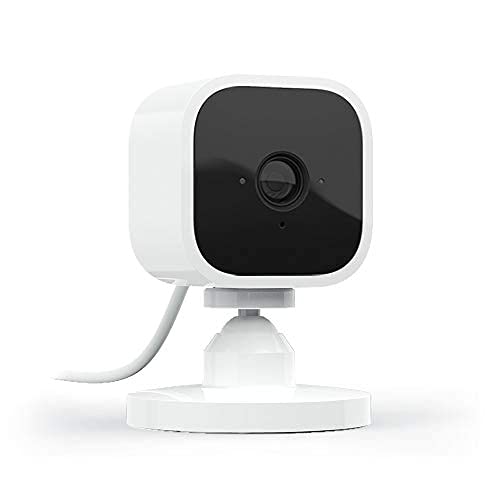
Blink Mini Indoor Plug-In Camera
Ultra-affordable with 1080p HD, night vision, motion detection, and two-way audio. Compact design that works with Alexa.

Petcube Cam 360 Pan-Tilt Pet Camera
1080p HD with full 360-degree pan and tilt, night vision, and AI smart alerts. Interactive app to check in on your dog from anywhere.
Why Monitor Your Senior Dog
Monitoring becomes more important as your dog ages because the risk of medical emergencies and behavioral issues increases significantly. Here are the specific scenarios where a camera provides real value:
- Seizure monitoring — If your dog has epilepsy, you need to know about seizure activity when you're not home so you can inform your vet about frequency and duration
- Sundowner syndrome — Dogs with sundowner syndrome often have their worst episodes in late afternoon and evening. A camera lets you observe patterns.
- Fall detection — Senior dogs with weak legs may fall trying to navigate furniture or stairs. Motion alerts can flag these events.
- Separation anxiety — Separation anxiety worsens with age. A camera reveals whether your dog is calm or distressed when alone.
- Post-surgery monitoring — After veterinary procedures, a camera lets you check that your dog is resting and not disturbing bandages or incisions
- Medication side effects — New medications can cause unexpected reactions. Monitoring lets you observe your dog's behavior on a new drug regimen
What to Look For in a Senior Dog Camera
Night Vision
Non-negotiable for senior dog monitoring. Many concerning behaviors — nighttime pacing, anxiety episodes, seizures, disorientation — happen in the dark. Infrared night vision provides clear black-and-white video in zero-light conditions. Color night vision (available on premium models) offers even better clarity.
Motion and Sound Alerts
Smart alerts push notifications to your phone when the camera detects movement or barking. This is critical for catching events you wouldn't otherwise know about. Look for customizable sensitivity settings so you're alerted to genuine events (a fall, a seizure, distressed barking) without constant false alarms from every tail wag.
Wide-Angle Lens
A 120-160 degree wide-angle lens captures most of a room without needing to pan. For 360-degree coverage, some cameras offer motorized pan/tilt or auto-tracking that follows your dog's movement. Wide coverage means fewer blind spots where your dog could be in distress without you seeing it.
Reliable Connectivity
A camera that drops offline defeats the purpose. Choose cameras with strong WiFi performance and look for models that automatically reconnect after brief network interruptions. Some premium cameras offer SD card recording as a backup so footage is captured even when WiFi drops.
Two-Way Audio
The ability to speak to your dog through the camera can be comforting for some dogs with separation anxiety. You can verbally redirect a dog about to do something unsafe (like climbing stairs). However, test this feature carefully — some dogs find the disembodied voice confusing rather than comforting.
Best Budget Option: Under $40
You don't need to spend a lot for effective monitoring. These affordable cameras cover the basics well.
Camera Placement Tips
Where you put the camera matters as much as which camera you buy. Follow these placement guidelines for optimal senior dog monitoring:
- Position at bed level — Point the camera at your dog's primary sleeping area. This is where they spend most of their time and where you're most likely to observe nighttime issues
- Cover the main living space — If your dog moves between rooms, place cameras in the 2-3 rooms they use most
- Monitor gates and stairs — If you use baby gates to block stairs, place a camera near the gate to confirm it's holding
- Avoid direct sunlight — Strong light can wash out the image. Place cameras where natural light doesn't hit the lens directly
- Elevate the camera — Mount it at about 5-6 feet high, angled slightly downward. This provides a good overview without being so high that small dogs are hard to see
- Ensure stable WiFi — Place cameras within strong WiFi range. If your router doesn't reach the camera location, add a WiFi extender
Subscription Plans: Are They Worth It?
Most cameras work for live viewing without any subscription. Paid plans add features like:
- Cloud video recording — Review footage from earlier in the day. Useful for counting seizures or analyzing behavior patterns
- AI-powered smart alerts — Distinguish between a dog moving normally and a dog in distress. Reduces false alarms
- Extended video history — Store days or weeks of footage to track behavioral trends over time
- Person detection — Alerts if someone enters your home while your dog is alone (dual-purpose security)
For most senior dog owners, the free live-view function is sufficient for daily check-ins. A subscription becomes valuable if you need to track seizure frequency, analyze behavioral patterns with your vet, or want AI-filtered alerts that reduce notification overload.
Pros and Cons of Dog Cameras
Pros
- Immediate visual check on your dog from anywhere
- Alerts you to potential medical events (seizures, falls)
- Helps document behavior patterns for your vet
- Provides peace of mind during work hours or travel
- Many affordable options work well without subscriptions
Cons
- Depends on WiFi — poor connectivity means lost footage
- Motion alerts can generate excessive notifications
- Two-way audio can confuse some dogs
- Camera only observes — it can't intervene in an emergency
- Premium features require ongoing subscription costs
Multi-Camera Setups
For monitoring multiple rooms, multi-camera packs offer the best value. Cover your dog's bed, feeding area, and main living space.
Related Guides
- Best GPS Trackers for Senior Dogs — Track your dog's location if they wander
- Senior Dog Separation Anxiety — Understanding why your old dog is distressed alone
- Best Night Lights for Dementia Dogs — Reduce nighttime confusion and anxiety
- Canine Cognitive Dysfunction Guide — Complete guide to monitoring and managing dementia
Pet Insurance · Sponsored
Protect Your Senior Dog From Surprise Vet Bills
Senior dogs are more likely to face arthritis, lumps, dental disease, and sudden emergencies, and a single visit can run into the hundreds or thousands. Pet insurance can help you say yes to the care your dog needs without draining your savings. Get a free quote and see what coverage fits.
Frequently Asked Questions
What features are most important in a dog camera for senior dogs?
For monitoring senior dogs, prioritize: night vision (many incidents happen at night), two-way audio (to comfort a distressed dog or interrupt unsafe behavior), motion and bark alerts (to be notified of seizures, falls, or distress), wide-angle view (to see the whole room without blind spots), and reliable WiFi connectivity (so you don't lose the feed when you need it most). Treat dispensing is a nice bonus but not essential for monitoring.
Can a dog camera detect a seizure?
Dog cameras with motion detection will alert you to unusual activity, which can include seizures. However, standard pet cameras aren't designed to specifically identify seizures. The alert gives you a reason to check the live feed, where you can then visually assess the situation. Some premium cameras have AI-powered alerts that can distinguish between normal movement and distressed behavior, which is a step closer to seizure detection.
How much do dog cameras cost monthly?
Basic dog cameras ($30-$80) work without any subscription using live viewing on your phone. Premium features like cloud video recording, AI alerts, and extended video history require subscriptions ranging from $3 to $12 per month. For monitoring a senior dog, the basic live-view function is often sufficient — you mainly need to check in on demand rather than review recorded footage.
Is two-way audio helpful for senior dogs?
Two-way audio has mixed results. Some dogs find comfort in hearing their owner's voice when stressed. Others become confused or more anxious when they hear the voice but can't find the person. Test it with your specific dog. For dogs with hearing loss, two-way audio provides little benefit. The audio is most useful for giving a calm verbal correction if your dog is doing something unsafe.
Do I need night vision for a senior dog camera?
Yes. Many senior dog issues happen at night — sundowner syndrome, nighttime anxiety, seizures, and disorientation. A camera without night vision shows you nothing during the hours your dog is most vulnerable. Most quality pet cameras include infrared night vision that provides a clear black-and-white image in complete darkness.
Can I view the camera feed on multiple devices?
Most pet camera apps allow multiple family members to access the feed by logging into the same account or by sharing access through the app. This is valuable for senior dog households where multiple people share caregiving responsibilities. Check the specific camera's app to confirm multi-device support before purchasing.
Need more help with your aging dog?
Browse our guides by topic to find practical solutions.
Wellness Planner — $39