How to Switch Your Dog to Senior Food Safely
Step-by-step guide to transitioning your dog to senior food without stomach upset. Includes transition schedules, troubleshooting, and when to make the switch.
Switching your dog's food seems simple enough -- pour out the old, pour in the new. But for senior dogs, an abrupt food change is one of the fastest routes to an upset stomach, diarrhea, and a dog who decides they want nothing to do with the new food. A careful, gradual transition protects your dog's digestive system and dramatically increases the chance they will accept and thrive on their new diet.
This guide gives you a day-by-day transition plan, explains why the gradual approach matters more for older dogs, and troubleshoots the common problems that arise when changing a senior dog's food.
Transition Support Products

Ceva Purina Pro Plan Bright Mind Senior
Senior formula with enhanced botanical oils for cognitive support
Ceva Hill's Science Diet Senior 7+
Clinically proven nutrition for dogs over 7 with joint and organ support

Pro Plan Veterinary Diets Purina Pro Plan FortiFlora Probiotic
Probiotic to support digestion during food transitions
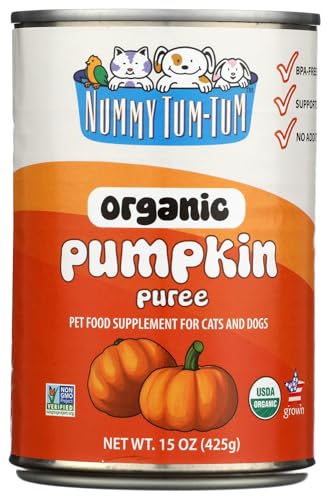
Nummy Tum Tum Nummy Tum-Tum Pure Pumpkin
Pure pumpkin puree to firm stools during diet changes
Why Senior Dogs Need a Gradual Transition
Your dog's gut is home to billions of bacteria that have adapted to digest their current food. When you change the food, these bacteria need time to adjust their populations to handle the new ingredients. Senior dogs are more vulnerable to digestive disruption because:
- Aging gut microbiome: The diversity and resilience of gut bacteria decline with age, making adaptation slower
- Reduced digestive enzymes: Older dogs produce fewer digestive enzymes, making new proteins and fats harder to process initially
- Medication interactions: Many senior dogs take medications that already stress the digestive system
- Lower tolerance for dehydration: Diarrhea from a bad transition can cause dehydration more quickly in older dogs
- Pancreatitis risk: Sudden dietary changes, especially increases in fat, can trigger pancreatitis in susceptible dogs
The 10-Day Transition Schedule
This schedule works well for most senior dogs. Adjust the pace based on your dog's individual response.
| Day | Old Food | New Food | Notes |
|---|---|---|---|
| 1-2 | 90% | 10% | Just a taste. Watch for any immediate rejection or loose stool. |
| 3-4 | 75% | 25% | Most dogs handle this step well. Monitor stool consistency. |
| 5-6 | 50% | 50% | The halfway point. This is where sensitive dogs may show digestive changes. |
| 7-8 | 25% | 75% | Almost there. If stools are still firm, you are on track. |
| 9-10 | 0% | 100% | Full transition. Continue monitoring for a few more days. |
Transition Support
Adding a probiotic supplement during the transition period helps stabilize gut bacteria as they adjust to the new food. Purina FortiFlora is the most widely recommended by veterinarians for this purpose. A tablespoon of plain canned pumpkin (not pie filling) per meal also adds beneficial fiber that helps firm stools.
Check Price on Amazon
Extended Schedule for Sensitive Dogs
If your senior dog has a history of digestive issues, is on medications that affect the stomach, or has a known sensitive stomach, use this slower 3-week schedule:
- Week 1: 90% old food / 10% new food for the entire week
- Week 2: Increase by 10% every 2 days (70/30, then 60/40, then 50/50)
- Week 3: Continue increasing by 10% every 2 days until reaching 100% new food
At any point, if your dog develops persistent loose stools or refuses to eat, go back to the previous ratio and hold there for 3 to 4 days before trying to advance again. There is no penalty for going slowly.
When to Switch to Senior Food
The right time depends on your dog's size, breed, and individual health status rather than a universal age cutoff:
| Dog Size | Weight Range | Typically "Senior" At |
|---|---|---|
| Small breeds | Under 20 lbs | 10-12 years |
| Medium breeds | 20-50 lbs | 8-10 years |
| Large breeds | 50-90 lbs | 7-8 years |
| Giant breeds | Over 90 lbs | 5-6 years |
More important than age is your dog's actual condition. Signs that suggest it may be time to evaluate food needs include unexplained weight gain or loss, decreased energy, digestive changes, dull coat, joint stiffness, or your veterinarian's recommendation based on bloodwork or exam findings.
What to Look for in a Senior Dog Food
Not all senior dog foods are created equal. There is no AAFCO (Association of American Feed Control Officials) definition of "senior" dog food, so the label is largely a marketing term. Focus on these nutritional qualities:
- High-quality protein: Senior dogs need protein to maintain muscle mass. Look for a named protein source (chicken, beef, salmon) as the first ingredient. Avoid foods that reduce protein significantly unless directed by your vet for kidney disease.
- Moderate calories: If your dog is gaining weight due to reduced activity, a lower-calorie formula helps maintain healthy weight without reducing portion size drastically.
- Joint support: Added glucosamine, chondroitin, and omega-3 fatty acids support aging joints.
- Digestibility: Easily digestible proteins and fibers reduce GI stress and improve nutrient absorption.
- Omega-3 fatty acids: DHA and EPA from fish oil support brain health, joint comfort, and skin/coat quality.
- Antioxidants: Vitamins E and C and other antioxidants support immune function and cognitive health.

Troubleshooting Common Transition Problems
Problem: Diarrhea
Mild loose stools during a transition are common and usually resolve within 2 to 3 days. If diarrhea persists, go back to the previous food ratio, add a probiotic and a tablespoon of canned pumpkin, hold for 3 to 4 days until stools normalize, then advance more slowly. If diarrhea is severe, watery, or contains blood, stop the transition and contact your veterinarian.
Problem: Refusal to Eat
Senior dogs can be resistant to change. Try warming the food slightly (30 seconds in the microwave, stir well and test temperature), adding a splash of warm water or low-sodium broth to enhance aroma, mixing in a small amount of a high-value topper like plain boiled chicken, or starting with an even smaller ratio of new food (just 5 percent). If your dog refuses all food for more than 24 hours, consult your vet.
Problem: Gas and Bloating
New food ingredients can cause gas during the adjustment period. Ensure your dog eats slowly (use a slow feeder bowl if needed), break meals into smaller, more frequent portions, and add a probiotic or prebiotic to support digestive adaptation. If bloating is severe or accompanied by distress, seek veterinary care immediately.
Problem: Vomiting
Occasional vomiting during transition may indicate the new food is too rich, the ratio changed too quickly, or the food does not agree with your dog. Slow the transition, try a different senior food formula, or discuss the issue with your veterinarian. Repeated vomiting warrants a vet visit.
Digestive Support Products
- Purina FortiFlora Probiotic - Stabilizes gut bacteria during food changes
- Pure Pumpkin Puree for Dogs - Natural fiber to firm stools during transitions
- Slow Feeder Dog Bowls - Reduce eating speed that can worsen gas and bloating
Special Transition Situations
Switching from Dry to Wet Food
Follow the same gradual schedule, but be aware that the texture difference may confuse some dogs. Mixing wet and dry food together helps bridge the gap. Some dogs prefer wet food warmed slightly to body temperature.
Switching to a Prescription Diet
If your vet has prescribed a therapeutic diet (for kidney disease, liver issues, or other conditions), ask specifically how quickly to transition. Some prescription diets need to be started more urgently, while others can follow the standard gradual approach.
Switching After Illness or Surgery
If your dog is recovering from illness or surgery, their gut may be especially sensitive. Use the extended 3-week schedule and consider adding digestive enzymes alongside a probiotic to support weakened digestion.
Our Recommendation
Take your time. A slow, boring food transition is always better than a fast one that causes problems. Most digestive upset from food changes is entirely preventable with patience. Use the 10-day schedule for healthy senior dogs and the extended schedule for those with sensitive systems. Add a probiotic during the transition period for extra digestive support.
And remember: the "best" senior dog food is the one your dog eats consistently, digests well, and thrives on. If your dog is doing well on their current food and your veterinarian is happy with their health, there may be no rush to change at all.

Related Guides
- Best Dog Food for Senior Dogs - Top-rated foods to transition to
- Best Wet Food for Older Dogs - Wet food options for dogs with dental or appetite issues
- How Much to Feed a Senior Dog - Portion guidance for aging dogs
- Best Probiotics for Senior Dogs - Digestive support for better food tolerance
Pet Insurance · Sponsored
Protect Your Senior Dog From Surprise Vet Bills
Senior dogs are more likely to face arthritis, lumps, dental disease, and sudden emergencies, and a single visit can run into the hundreds or thousands. Pet insurance can help you say yes to the care your dog needs without draining your savings. Get a free quote and see what coverage fits.
Frequently Asked Questions
How long should it take to switch my dog to senior food?
A proper food transition for a senior dog should take 7 to 14 days. The standard recommended schedule is: Days 1-3 feed 75 percent old food and 25 percent new food, Days 4-6 feed 50/50, Days 7-9 feed 25 percent old food and 75 percent new food, and Days 10-14 feed 100 percent new food. Senior dogs with sensitive stomachs or a history of digestive issues may need a longer transition of 2 to 3 weeks. If your dog develops diarrhea, vomiting, or refuses to eat at any stage, slow down and stay at the current ratio for a few extra days before advancing.
At what age should I switch my dog to senior food?
The age to switch depends primarily on your dog's size and breed. Small breeds (under 20 pounds) are generally considered senior around 10 to 12 years. Medium breeds (20-50 pounds) around 8 to 10 years. Large breeds (50-90 pounds) around 7 to 8 years. Giant breeds (over 90 pounds) around 5 to 6 years. However, age alone should not drive the decision. Your veterinarian may recommend switching earlier if your dog shows signs of aging like reduced activity, weight changes, or joint stiffness, or later if your dog is thriving on their current food with no age-related issues.
What if my senior dog refuses to eat the new food?
Refusal to eat new food is common in senior dogs, who can be creatures of habit. Try these strategies: mix a small amount of warm water or low-sodium broth into the new food to enhance aroma, warm the food slightly in the microwave (stir and test temperature), add a small amount of a tasty topper like a spoonful of canned food, plain boiled chicken, or bone broth, go back to a higher ratio of old food and slow the transition down, or try a different senior food brand that may be more palatable. If your dog refuses all food for more than 24 to 48 hours, consult your veterinarian.
Does my dog actually need senior-specific food?
Not necessarily. There is no regulatory definition of senior dog food -- manufacturers can label food as senior without meeting specific nutritional standards. What matters is that your dog's food meets their current nutritional needs. Senior dogs generally benefit from food with moderate to high quality protein to maintain muscle mass, reduced calories if they are gaining weight, added joint support ingredients like glucosamine, omega-3 fatty acids for inflammation and cognitive support, and easily digestible ingredients. Your veterinarian can evaluate whether your current food meets these needs or whether a change would be beneficial.
Can switching food too fast make my dog sick?
Yes. A sudden food switch is one of the most common causes of gastrointestinal upset in dogs of any age, and senior dogs are particularly susceptible. When you change food abruptly, the bacterial population in your dog's gut does not have time to adjust to the new ingredients. This can cause diarrhea, vomiting, gas, bloating, and loss of appetite. In some cases, sudden changes can trigger pancreatitis, especially in dogs prone to the condition. The gradual transition schedule gives gut bacteria time to adapt to the new food composition.
My senior dog has a sensitive stomach — how should I transition?
For dogs with sensitive stomachs, extend the transition to 3 to 4 weeks using smaller incremental changes: start with just 10 percent new food for 3 to 4 days, increase to 20 percent for another 3 to 4 days, and continue in 10 percent increments. Adding a probiotic supplement during the transition can help stabilize gut bacteria. If your dog develops loose stool at any stage, go back to the previous ratio for a few extra days. Some owners find that adding a spoonful of plain canned pumpkin (not pie filling) helps firm up stools during transitions.
Should I switch to wet food when my dog gets older?
Wet food can be a good choice for many senior dogs. It contains significantly more moisture (around 75-80 percent vs 10 percent in dry food), which supports hydration and kidney function. It is softer and easier to chew for dogs with dental issues or missing teeth. It is typically more aromatic, which helps dogs with declining appetite or reduced sense of smell. However, wet food alone can contribute to dental plaque buildup, is more expensive per calorie, and spoils quickly. Many owners find a combination of wet and dry food provides the best balance of benefits.
Need more help with your aging dog?
Browse our guides by topic to find practical solutions.
Wellness Planner — $39