Best Dog Food for Dogs with No Teeth (2026)
Best dog food for dogs with no teeth: softest commercial options and homemade recipes for toothless senior dogs. Feeding tips and texture guide included.
Life Without Teeth: It Is More Common Than You Think
Learning that your senior dog needs a full dental extraction, or discovering that they have gradually lost most or all of their teeth, can feel alarming. You might wonder how they will eat, whether they will get enough nutrition, and if mealtime will become a daily struggle. The reassuring truth is that dogs without teeth adapt remarkably well, and with the right food choices, they can eat comfortably, enjoy their meals, and get all the nutrition they need.
Dogs do not chew their food the way humans do. Even dogs with a full set of teeth tend to gulp and swallow with minimal chewing. Their digestive systems are designed to handle larger pieces of food, and their strong tongues and gums can manipulate soft foods effectively. Once the discomfort of diseased teeth is gone, many toothless dogs actually eat better and more enthusiastically than they did before their extractions.
Best Food for Dogs with No Teeth

Purina ONE Soft Pate Wet Dog Food
Ultra-smooth texture that requires no chewing
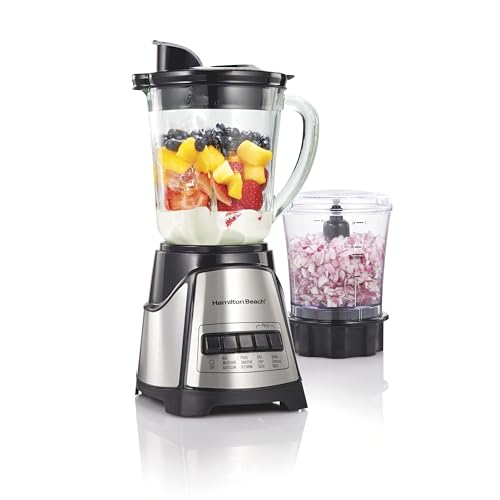
Hamilton Beach Dog Food Blender
Blend kibble and wet food to perfect consistency

Stella & Chewy's Bone Broth for Dogs
Nutritious liquid supplement for toothless dogs

JOYGIEE Soft Dog Treats for Seniors
Melt-in-mouth rewards that need no chewing

Understanding What Your Toothless Dog Needs
The nutritional requirements for a toothless dog are the same as for any senior dog. They still need quality protein, appropriate fat levels, essential vitamins and minerals, and adequate hydration. The difference is entirely about texture and form. The food needs to be soft enough that your dog can eat it comfortably using their tongue and gums alone, without needing to bite or chew.
Here is what matters most when choosing food for a toothless senior:
- Texture: The food must be soft enough to require no chewing whatsoever.
- Moisture: Higher moisture content makes food easier to manipulate and swallow.
- Nutritional completeness: The food must be balanced for a senior dog's needs, not just soft.
- Palatability: Strong aromas and appealing flavors encourage eating.
- Appropriate portion size: Smaller, more frequent meals are often easier to manage.
Best Commercial Food Options
Pate-Style Wet Food
Pate is the single best commercial option for dogs without teeth. Its uniform, smooth texture requires absolutely no chewing. Dogs simply lick it up and swallow. The consistency is similar to a thick spread, firm enough to hold its shape on a plate but soft enough to yield easily to a tongue.
Look for pate formulas labeled as "complete and balanced" for adult maintenance or senior dogs. The protein source listed first should be a named meat like chicken, turkey, beef, or salmon. Many quality brands offer senior-specific pate formulas with added joint support and adjusted calorie levels.
Pate-style wet food is widely available and comes in a range of protein options. You can find individual cans or more economical multipacks.
Mousse and Ultra-Smooth Formulas
A step beyond standard pate, mousse-textured foods are whipped to an even smoother consistency. These are sometimes marketed for puppies or senior dogs and have an almost creamy quality. They are excellent for dogs who seem to struggle even with regular pate or who have had recent oral surgery and are still healing.
Mousse-style formulas are often available in smaller portioned trays or cups, which can be convenient for portion control.
Stews and Chunks in Gravy (With Modification)
If your dog enjoys stew-style wet food, you can make it work by mashing the chunks with a fork before serving. This breaks down the pieces into a texture that gums can handle while preserving the flavors and gravy your dog enjoys. For an even smoother result, pulse the food briefly in a food processor.

Softened Kibble
If your budget makes an all-wet-food diet impractical, or if your dog genuinely prefers the taste of their kibble, soaking dry food can be a workable solution. Add warm water or low-sodium broth to the kibble and let it sit for 15-20 minutes until it softens completely. Mash it with a fork to create a porridge-like consistency. This is not as smooth as pate, but many toothless dogs handle it well.
The drawback is that soaked kibble spoils faster than dry kibble, so only prepare what your dog will eat in one sitting and discard any uneaten portions after 30 minutes.
Homemade Options for Toothless Dogs
Preparing food at home gives you full control over texture and ingredients. Here are some approaches that work well for toothless seniors.
Cooked and Mashed Protein
Ground chicken, turkey, or beef cooked until fully done and then mashed or shredded finely provides excellent protein. Slow-cooked meats become extremely tender and easy to break down. You can also use canned fish like sardines (in water, not oil) or canned salmon, which are naturally soft and protein-rich.
Soft Vegetables and Grains
Well-cooked sweet potatoes, carrots, green beans, and peas can be mashed into a soft consistency. Oatmeal and well-cooked white rice also work well as gentle carbohydrate sources. These provide fiber, vitamins, and energy.
Blended Meals
A food processor or blender allows you to combine cooked proteins, vegetables, and grains into a uniform, smooth mixture. Add cooking liquid or broth to reach the desired consistency. This method ensures every bite contains balanced nutrition.
A compact food processor makes preparing homemade toothless-dog-friendly meals quick and easy. Small choppers work well for single-serving portions.
Important Note About Homemade Diets
Homemade meals can lack essential nutrients if not properly formulated. Dogs need specific ratios of calcium, phosphorus, vitamins, and trace minerals that are difficult to achieve through food alone. If you feed homemade meals regularly, work with a veterinary nutritionist to develop a balanced recipe, and consider adding a complete canine multivitamin supplement.
Feeding Accessories That Help
The right feeding setup can make a noticeable difference for a toothless dog.
Shallow, Wide Bowls
Flat plates or very shallow bowls allow your dog to lick food without having to reach deep into a bowl. This is especially helpful since toothless dogs rely almost entirely on their tongue to pick up food.
Raised Feeders
Elevated feeding stations reduce neck strain, which is particularly beneficial for senior dogs with arthritis or neck stiffness. Bringing the food to a comfortable height makes the physical act of eating less tiring.
Raised feeding stations come in various heights for different dog sizes and often include non-slip features to prevent the bowl from sliding.
Lick Mats
Lick mats are textured silicone mats that you spread soft food onto. Dogs lick the food from the surface, which encourages slower eating, provides mental stimulation, and works well for toothless dogs who eat too quickly. Spread pate or blended food onto the mat and let your dog enjoy a calmer mealtime.
Treats for Toothless Dogs
Just because your dog cannot chew does not mean they have to miss out on treats. Several options work wonderfully:
- Lickable treat tubes: Squeezable tubes of soft, flavored paste that dogs lick directly. These are excellent for training and bonding.
- Freeze-dried treats softened in water: Many freeze-dried treats dissolve almost instantly when moistened, creating a soft, flavorful morsel.
- Small pieces of soft fruit: Banana slices, seedless watermelon chunks, and blueberries are naturally soft and dog-safe in moderation.
- Soft commercial treats: Many brands make extra-soft or chewy treats that require minimal bite force.
Monitoring Your Toothless Dog's Nutrition
Once you have established a feeding routine, keep an eye on a few key indicators to ensure your dog is thriving:
- Weight stability: Weigh your dog every two weeks initially. Sudden weight loss may indicate they are not getting enough calories or are struggling to eat enough.
- Coat condition: A healthy, shiny coat suggests good nutrition. A dull or thinning coat may signal nutritional gaps.
- Energy levels: Adequate nutrition supports consistent energy. If your dog seems lethargic, review their diet with your vet.
- Stool quality: Firm, regular stools indicate good digestion. Consistently loose stools suggest the food may need adjustment.
- Eating enthusiasm: A dog who eats eagerly is comfortable and enjoys their food. Reluctance or hesitation may mean the texture is still too difficult or the flavor is unappealing.
Moving Forward with Confidence
Feeding a toothless senior dog is genuinely manageable once you understand the options available. Most dogs adapt quickly and eat with just as much enthusiasm as they did with a full set of teeth, sometimes more, because eating is no longer painful. Focus on soft, nutritionally complete foods, establish a comfortable feeding setup, and monitor your dog's body condition regularly. With a little adjustment to routine, mealtime can remain one of the highlights of your senior dog's day.
Related Guides
- Best Wet Food for Older Dogs - Wet food is often the best base option for toothless dogs.
- Dental Care for Older Dogs - Maintain oral health even after tooth loss.
- Bone Broth for Senior Dogs - A nutritious liquid addition for dogs who struggle with solid food.
Pet Insurance · Sponsored
Protect Your Senior Dog From Surprise Vet Bills
Senior dogs are more likely to face arthritis, lumps, dental disease, and sudden emergencies, and a single visit can run into the hundreds or thousands. Pet insurance can help you say yes to the care your dog needs without draining your savings. Get a free quote and see what coverage fits.
Frequently Asked Questions
Can a dog with no teeth still eat dry kibble?
It is possible but not recommended as a primary feeding method. Some toothless dogs manage to swallow small kibble pieces whole, but this increases the risk of choking and reduces nutrient absorption. If your dog insists on kibble, soak it in warm water or broth for 10-15 minutes until it softens into a mash-like consistency.
Why did my senior dog lose all their teeth?
Severe periodontal disease is the most common cause of tooth loss in older dogs. Genetics, diet, lack of dental care over the years, and certain health conditions can all contribute. Some dogs also lose teeth due to injury or necessary extractions during dental procedures. Your vet can explain the specific causes in your dog's case.
Do dogs with no teeth suffer or have pain?
Dogs without teeth can actually be more comfortable than dogs with severely diseased teeth. Infected or loose teeth cause significant pain. Once those teeth are removed and the gums heal, most dogs show improved energy and appetite. Healthy gums are surprisingly effective at handling soft foods.
Can I make homemade food for my toothless dog?
Yes, homemade food can work well. Focus on soft-cooked proteins like ground chicken or turkey, well-cooked and mashed vegetables, and grains like oatmeal or rice. Always consult your vet or a veterinary nutritionist to ensure your recipes are nutritionally complete, as homemade diets can easily miss essential nutrients.
How often should I feed a dog with no teeth?
Three to four smaller meals per day often works better than two larger meals for toothless dogs. Smaller portions are easier to manage without teeth, and more frequent feeding helps maintain steady blood sugar and energy levels throughout the day.
Should I blend my dog's food if they have no teeth?
Blending can be helpful for dogs who struggle even with soft foods. Use a food processor or blender to create a smooth consistency. Add warm water or low-sodium broth to reach the right texture. Many dogs do fine with pate-style food without needing to blend it further.
Can toothless dogs eat treats?
Absolutely. Soft treats, freeze-dried treats that dissolve easily, lickable treat tubes, and small pieces of soft fruits like banana or watermelon all work well. Avoid hard biscuits, rawhide, and anything that requires chewing force.
Need more help with your aging dog?
Browse our guides by topic to find practical solutions.
Wellness Planner — $39