Thyroid Problems in Older Dogs — Signs and Treatment
Thyroid problems in older dogs: hypothyroidism signs, diagnosis, and treatment explained. Learn how daily medication restores energy, weight, and coat health.
The thyroid gland may be small, but its influence on your dog's body is enormous. When this butterfly-shaped gland in the neck does not produce enough hormones, the effects ripple through nearly every system, from metabolism and energy to skin, coat, and even behavior. Hypothyroidism is the most common thyroid disorder in dogs, and it is particularly prevalent in middle-aged and older dogs.
The good news is that hypothyroidism is one of the most manageable endocrine conditions in veterinary medicine. Once diagnosed, treatment is straightforward, affordable, and highly effective. This guide will help you understand what hypothyroidism looks like, how it is identified, and what management typically involves so you can be a well-informed partner in your senior dog's care.
Products for Thyroid Health Support

Musher's Secret Thyroid Support Dog Supplement
Nutritional support for thyroid function

Purina ONE Weight Management Dog Food
Control weight gain from hypothyroidism

Ceva Dog Skin and Coat Supplement
Address coat and skin changes from thyroid issues

Greenies Pill Pockets for Dog Medication
Easy daily thyroid medication administration

Haven Pet Insurance for Senior Dogs.Coverage for accidents, illness, and the chronic conditions that drive the biggest senior-dog vet bills. Get a fast, free quote using your dog’s breed, age, and zip, then see your monthly premium before you commit.Sponsored
What the Thyroid Gland Does
The thyroid gland produces hormones, primarily T4 (thyroxine) and T3 (triiodothyronine), that regulate the body's metabolic rate. Think of these hormones as the body's thermostat, controlling how fast or slow metabolic processes run. When thyroid hormone production is adequate, metabolism hums along at an appropriate pace. When production drops, everything slows down.
This slowdown affects every organ system. The heart beats more slowly, the body burns fewer calories, the skin and hair follicles do not regenerate as efficiently, nerve function slows, and even mental processes can be affected. Understanding this widespread influence helps explain why hypothyroidism produces such a diverse range of signs.
Why Hypothyroidism Develops
In the majority of cases, hypothyroidism in dogs results from immune-mediated destruction of the thyroid gland, a process called lymphocytic thyroiditis, or from gradual atrophy of the gland where thyroid tissue is replaced by fat. In both cases, the result is the same: the thyroid gland can no longer produce sufficient hormones.
The condition is more common in medium to large breed dogs, and certain breeds have a higher predisposition. Golden Retrievers, Doberman Pinschers, Irish Setters, Dachshunds, Cocker Spaniels, and Airedale Terriers are among the breeds more commonly affected, though any breed can develop hypothyroidism. Neutered dogs of both sexes also have a somewhat higher incidence.
Recognizing the Signs
Hypothyroidism is sometimes called "the great masquerader" because its signs are varied and often develop so gradually that owners adapt to the changes without fully registering them. It is common for owners to realize in retrospect, after treatment begins, just how much their dog had changed.
Weight Gain and Obesity
One of the most common signs is weight gain without an increase in food intake, or difficulty losing weight despite dietary efforts. Because metabolism is slowed, the body converts fewer calories into energy and stores more as fat. Some owners describe their dog as "getting fat on air" because the weight gain seems disproportionate to what the dog actually eats.
Lethargy and Exercise Intolerance
Dogs with hypothyroidism often become less active and less enthusiastic about exercise. They may seem tired, sluggish, or uninterested in activities they previously enjoyed. They may sleep more than usual or seem reluctant to go for walks. This is one of the signs most commonly attributed to "just getting old" when it may actually be a treatable condition.
Skin and Coat Changes
The skin and coat are among the most visibly affected areas. Changes may include a dull, dry, or brittle coat that has lost its luster. Hair loss, often symmetrical and affecting the trunk, flanks, and tail, with the head and legs usually spared. A "rat tail" appearance where the tail loses most of its hair. Thickened, darkened, or oily skin. Recurring skin infections or ear infections that clear up with antibiotics but keep coming back.
Cold Intolerance
Because thyroid hormones help regulate body temperature, hypothyroid dogs often seek out warmth more than usual. They may prefer to lie near heaters, burrow under blankets, or seem reluctant to go outside in cool weather. You may notice them shivering in temperatures that did not previously bother them.
Behavioral and Mental Changes
Some hypothyroid dogs show changes in behavior or mental sharpness. They may seem mentally dull or slow to respond, exhibit what appears to be a "tragic facial expression" (a droopy, sad-looking face caused by facial muscle changes), or become more anxious or, less commonly, irritable. These changes can be subtle but are often among the first things owners notice improving once treatment begins.

Diagnosis
If your veterinarian suspects hypothyroidism, they will likely recommend blood tests. The most common initial test measures total T4 levels. If the result is low, additional tests such as free T4 by equilibrium dialysis and TSH (thyroid-stimulating hormone) may be performed to confirm the diagnosis.
It is worth noting that certain factors can temporarily lower thyroid hormone levels without actual hypothyroidism being present. These include other illnesses, certain medications (including steroids and some anti-seizure drugs), and even the time of day the sample is drawn. Your veterinarian may interpret results in context and potentially repeat testing if the picture is unclear.
A complete blood count and chemistry panel are often run alongside thyroid testing, as hypothyroidism can cause characteristic changes in cholesterol levels and occasionally in red blood cell counts that support the diagnosis.
Treatment: Simple and Effective
The treatment for hypothyroidism is straightforward: oral supplementation with synthetic thyroid hormone, most commonly levothyroxine. This medication replaces the hormones your dog's thyroid gland is no longer producing adequately. It is typically given once or twice daily, depending on the formulation and your veterinarian's recommendation.
What to Expect After Starting Treatment
Improvement is often dramatic and gratifying. Most owners notice increased energy and activity levels within the first few weeks of treatment. Weight loss begins as metabolism returns to normal, though this is a gradual process. Skin and coat improvements take longer, often two to four months, because hair growth cycles are slow. Full coat recovery may take four to six months.
Your veterinarian will typically recheck thyroid levels four to eight weeks after starting medication to ensure the dose is appropriate. Adjustments are common in the early phase of treatment. Once the correct dose is established, monitoring usually shifts to every six to twelve months.
Lifelong Management
Hypothyroidism requires lifelong medication. This may sound daunting, but the daily commitment is minimal: one or two pills given at the same time each day. The medication is well-tolerated by most dogs and is relatively inexpensive. Consistency is important, so try to incorporate it into your daily routine at a time you will remember.
Supportive Nutrition and Lifestyle
While medication is the foundation of treatment, nutrition and lifestyle adjustments complement the medical approach and support your dog's overall well-being.
Weight Management
If your dog has gained weight due to hypothyroidism, gradual weight loss through calorie management and appropriate exercise is important for their joint health, heart health, and overall comfort. Work with your veterinarian to determine an appropriate calorie target. As thyroid function normalizes with medication, many dogs lose weight more readily.
Weight Management and Nutrition Products
- Weight Management Dog Food for Seniors - Calorie-controlled nutrition for healthy weight loss
- Low-Calorie Dog Treats - Reward your dog without excess calories
Skin and Coat Support
While the medication addresses the root cause, nutritional support can help the skin and coat recover more fully. Omega-3 fatty acids from fish oil are widely used to support skin barrier function and coat quality. A diet rich in high-quality protein provides the building blocks for healthy hair growth. Regular gentle grooming removes dead hair and stimulates the skin.
Skin and Coat Support Products
- Fish Oil for Dog Skin and Coat Health - Omega-3 supplementation for healthy skin and fur
- Gentle Deshedding Brushes for Senior Dogs - Support healthy coat through regular grooming
- Oatmeal Shampoo for Dry Itchy Skin - Soothing care for sensitive skin
Exercise
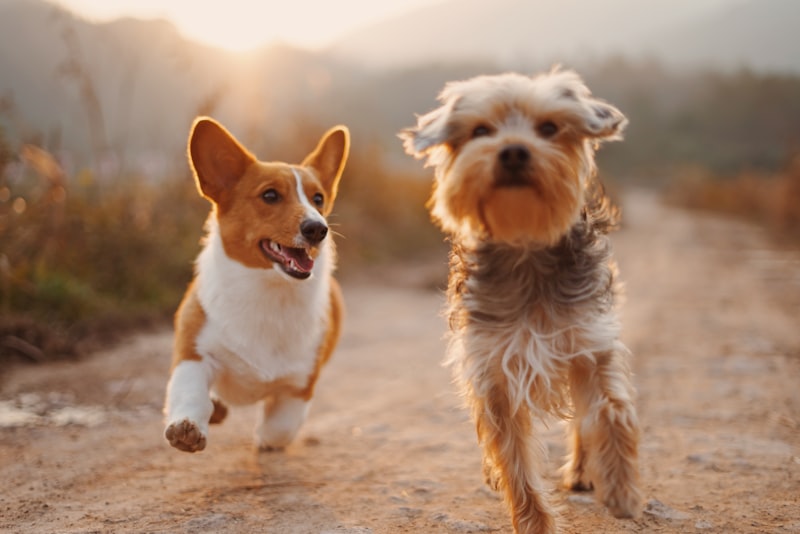
As your dog's energy returns with treatment, gradually increase their exercise. Start with gentle walks and build up as they demonstrate more stamina and enthusiasm. Regular exercise supports weight management, cardiovascular health, joint mobility, and mental well-being. Many owners describe a remarkable transformation in their dog's willingness and ability to exercise once thyroid levels normalize.
Monitoring and Long-Term Outlook
With consistent medication and periodic monitoring, the long-term outlook for dogs with hypothyroidism is excellent. Most dogs return to a normal quality of life and maintain it throughout their remaining years. The condition itself does not shorten life expectancy when properly managed.
Continue to observe your dog for any return of signs, which could indicate that the dose needs adjustment. Weight changes, activity levels, skin and coat condition, and overall demeanor are all useful indicators. Share your observations at regular veterinary visits, as your day-to-day perspective provides valuable context that complements the laboratory data.
Hypothyroidism is one of those conditions where the diagnosis is far more daunting than the reality of living with it. A daily pill, periodic blood tests, and the attentive care you already provide are typically all it takes to keep your senior dog comfortable, active, and thriving. Many owners look back and wish they had tested sooner, amazed at the difference treatment makes in their dog's quality of life.
Related Guides
- Weight Management for Older Dogs - Thyroid issues often cause weight gain that needs management.
- Senior Dog Behavior Changes - Thyroid problems can cause lethargy and mood changes easily mistaken for aging.
- Common Health Problems in Senior Dogs - Thyroid disease in the context of other senior conditions.
Pet Insurance · Sponsored
Protect Your Senior Dog From Surprise Vet Bills
Senior dogs are more likely to face arthritis, lumps, dental disease, and sudden emergencies, and a single visit can run into the hundreds or thousands. Pet insurance can help you say yes to the care your dog needs without draining your savings. Get a free quote and see what coverage fits.
Frequently Asked Questions
What is hypothyroidism in dogs?
Hypothyroidism is a condition in which the thyroid gland does not produce enough thyroid hormones. The thyroid gland, located in the neck, produces hormones that regulate metabolism, affecting virtually every organ and body system. When production is insufficient, metabolic processes slow down throughout the body, causing a range of signs that develop gradually over months to years.
What are the first signs of thyroid problems in dogs?
The earliest signs are often subtle and nonspecific: your dog may seem a bit less energetic, gain a small amount of weight, or develop a slightly dull coat. Because these changes happen gradually and can be attributed to normal aging, hypothyroidism is often not suspected until more pronounced signs develop, such as significant weight gain, hair loss, recurring skin infections, or cold intolerance.
How is hypothyroidism diagnosed in dogs?
Diagnosis typically involves blood tests measuring thyroid hormone levels, primarily total T4 and free T4. If initial results are borderline, additional tests such as a TSH level or a thyroglobulin autoantibody test may be performed. Because other illnesses and certain medications can temporarily lower thyroid levels, your veterinarian may want to repeat testing or evaluate thyroid function in the context of your dog's overall health.
Is hypothyroidism in dogs treatable?
Yes, hypothyroidism is one of the most treatable endocrine conditions in dogs. It is managed with daily oral supplementation of synthetic thyroid hormone, typically levothyroxine. Most dogs respond well to treatment, with signs improving significantly within weeks to months. Treatment is lifelong but straightforward, involving a daily pill or liquid given with or without food.
How much does it cost to treat hypothyroidism in dogs?
Hypothyroidism is generally one of the less expensive chronic conditions to manage. The synthetic thyroid hormone medication is relatively affordable. The primary ongoing costs are the medication itself and periodic blood tests to ensure the dose remains appropriate. Your veterinarian will typically recheck thyroid levels four to eight weeks after starting treatment and then periodically thereafter.
Can hypothyroidism cause behavioral changes in dogs?
Yes. Because thyroid hormones influence brain function, hypothyroidism can cause behavioral changes including lethargy, mental dullness, apparent sadness or depression, anxiety, and in rare cases, aggression. These behavioral signs often improve with thyroid hormone supplementation, sometimes dramatically. If your senior dog has undergone personality changes, thyroid testing is a reasonable part of the workup.
Do dogs with hypothyroidism need a special diet?
Dogs with hypothyroidism do not typically require a specialized therapeutic diet, but nutritional considerations are important. Because weight gain is common, a calorie-appropriate diet combined with regular exercise helps manage weight. Foods rich in omega-3 fatty acids may support skin and coat health. Discuss specific dietary recommendations with your veterinarian based on your dog's individual needs and any concurrent conditions.
Need more help with your aging dog?
Browse our guides by topic to find practical solutions.
Wellness Planner — $39