Best Products for Blind Senior Dogs
Complete product guide for vision-impaired senior dogs. Halo bumpers, scent markers, textured mats, sound toys, and home safety solutions.
Losing vision is one of the most common changes senior dogs experience. Whether caused by cataracts, glaucoma, progressive retinal atrophy, or diabetes, blindness or significant vision loss affects many dogs in their later years. The initial reaction from most owners is fear — how will my dog manage? Will they be scared? Can they still enjoy life?
The reassuring truth is that dogs are remarkably adaptable to vision loss. Their world has always been dominated by smell and sound, not sight. With the right products and home modifications, most blind senior dogs can navigate confidently, play happily, and maintain an excellent quality of life. This guide covers every product category that helps make that possible.
Essential Products for Blind Dogs
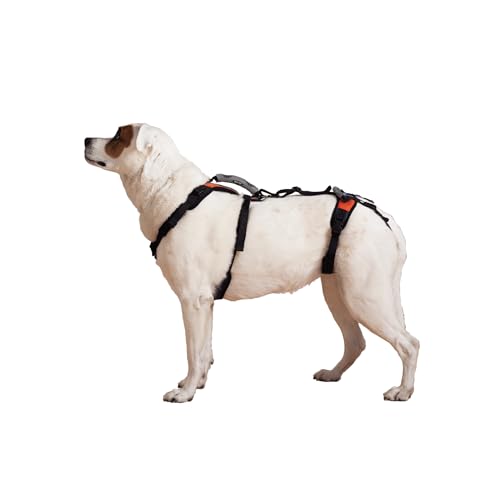
Help 'Em Up Blind Dog Halo Bumper Harness
Protective ring prevents head collisions with objects

Ceva Scent Markers for Blind Dogs
Essential oil markers to map key locations by smell

Ceva Sound Toys for Blind Dogs
Squeaking and talking toys blind dogs can locate
Navigation and Safety Products
The primary challenge for a blind dog is moving through their environment without collisions. These products create physical and sensory guardrails that help blind dogs build and maintain a mental map of their home.
Halo Bumper Harness — The Most Important Product
A halo bumper is a lightweight harness with a ring or hoop that extends around the dog's head. When the dog approaches a wall, piece of furniture, or corner, the halo contacts the object before the dog's face does. This gives the dog a gentle warning to stop or change direction, preventing painful collisions that can erode confidence.
Why We Picked This: This single product can transform a timid, collision-bruised blind dog into a confident navigator. The learning curve is usually just a few days, after which most dogs walk naturally with the halo as if it were always part of their body.
Home Safety Products
- Baby gates — Block access to stairs, pools, and hazardous areas. Baby gates on Amazon. ($20-45)
- Corner protectors — Soft foam covers for sharp furniture corners. Corner protectors on Amazon. ($8-15)
- Pool safety fence — If you have a pool, this is critical. Pool fences on Amazon. ($80-200)
- Carpet stair treads — Non-slip treads provide traction and tactile landmarks on stairs. Stair treads on Amazon. ($20-40)

Sensory Mapping Products
Since blind dogs cannot use visual landmarks, they rely on touch, smell, and sound to navigate. These products create sensory landmarks throughout your home that help your dog build a reliable mental map.
Scent Markers — Building a Smell Map
Use different pet-safe essential oils or scented products to mark key locations: lavender near the bed, vanilla near the food bowl, peppermint at the back door. Your dog's extraordinary sense of smell (up to 100,000 times more sensitive than yours) will quickly learn to associate each scent with a location.
Why We Picked This: This leverages your dog's strongest sense to replace their weakest one. Dogs learn scent associations remarkably fast — most pick up a scent map within a week.
Textured Floor Markers
Different textures underfoot help blind dogs know where they are in the house. Placing distinct textured mats at room transitions, in front of food bowls, and at the door creates physical landmarks your dog can feel through their paws.
- Rubber textured mats — Place at doorways and transitions. Textured mats on Amazon. ($8-20)
- Non-slip bath mat — Different texture near water bowls. Bath mats on Amazon. ($8-15)
- Carpet squares — Soft surface at bed and food areas. Carpet tiles on Amazon. ($15-30)
Enrichment and Play
Blindness does not end playtime — it just changes how play works. Toys that engage smell and hearing are just as exciting to a blind dog as visual toys are to a sighted one. In fact, many blind dogs become more engaged with toys that make sounds because the auditory stimulation is more vivid to them.
Sound and Scent Toys
Choose toys that squeak, crinkle, or make noise when touched. Some specialty toys are designed specifically for blind dogs, with bells inside or scent infusions. Even standard squeaky toys work well — your dog can locate and track them by sound.
More Enrichment Ideas
- Lick mats — Spread food and let your dog explore with tongue and nose. Lick mats on Amazon.
- Treat-hiding games — Hide treats around a small area and let your dog sniff them out. No products needed.
- Talking toys — Some toys record and play back your voice. Recordable toys on Amazon.

Outdoor Safety for Blind Dogs
With precautions, blind dogs can and should continue to enjoy the outdoors. Fresh air, new scents, and gentle exercise contribute significantly to quality of life.
- Short leash for control — Keep walks to 4-6 foot leash length. Short leashes on Amazon.
- Harness with handle — Provides gentle directional guidance. Harnesses with handles on Amazon.
- Reflective vest — Helps drivers and others see your dog. Reflective vests on Amazon.
- "Blind Dog" bandana or leash wrap — Alerts others to give extra space. Blind dog alert accessories on Amazon.
Home Modification Checklist
Beyond products, these free or low-cost changes make your home safer and easier to navigate.
- Freeze your floor plan. Do not rearrange furniture. Consistency is everything for a blind dog's mental map.
- Clear floor-level obstacles. Remove shoes, bags, and items from walking paths.
- Pad sharp corners. Table legs, counter edges, and wall corners can cause painful collisions.
- Use verbal cues consistently. Teach "step up," "step down," "careful," and "stop." Your voice is their guide.
- Keep food and water in the same spots. Never move bowls without showing your dog the new location by walking them to it.
- Create a safe base area. A gated area with bed, water, and toys where your dog can rest without hazards when unsupervised.
A blind senior dog needs some extra consideration, but they do not need pity. Most blind dogs adapt with a resilience that humbles their owners. With the right products, a few home modifications, and your patient guidance, your vision-impaired senior can continue to live a full, comfortable, and joyful life.
Related Guides
- Canine Cognitive Dysfunction Guide — Vision loss often accompanies cognitive decline.
- Old Dog Slipping on Hardwood Floors — Floor traction solutions.
- Dementia Care Kit for Dogs — For dogs with both vision and cognitive issues.
- How to Mentally Stimulate an Older Dog — Enrichment ideas beyond sight.
Pet Insurance · Sponsored
Protect Your Senior Dog From Surprise Vet Bills
Senior dogs are more likely to face arthritis, lumps, dental disease, and sudden emergencies, and a single visit can run into the hundreds or thousands. Pet insurance can help you say yes to the care your dog needs without draining your savings. Get a free quote and see what coverage fits.
Frequently Asked Questions
Can a blind senior dog still have a good quality of life?
Absolutely. Dogs rely on smell and hearing far more than sight. Most blind dogs adapt remarkably well to their condition, especially in a familiar environment. With a few home modifications and the right products, a blind senior dog can navigate confidently, enjoy enrichment activities, and maintain a happy, comfortable life.
What is a halo bumper for dogs?
A halo bumper is a lightweight harness with a hoop or ring that extends around the dog's head. When the dog approaches a wall, corner, or piece of furniture, the halo makes contact before the dog's head does, alerting them to change direction. It prevents painful collisions and helps blind dogs move with more confidence.
How do I help a blind dog navigate my home?
Keep furniture in fixed positions, block off dangerous areas with baby gates, add textured mats at room transitions, use scent markers near key locations, and add non-slip rugs on hard floors. Avoid picking up and moving your dog — let them walk so they build and maintain their mental map.
Should I use scent markers for a blind dog?
Yes, scent markers are very helpful. Use different essential oils or scented products near doorways, food bowls, water stations, and their bed. Dogs have an extraordinary sense of smell and quickly learn to associate specific scents with specific locations, essentially creating a scent-based GPS system.
Do blind dogs get depressed?
Some dogs experience a period of adjustment when they lose their vision, which may look like depression — reduced activity, reluctance to explore, and loss of appetite. This is usually temporary. With patience, environmental support, and encouragement, most dogs regain their confidence within a few weeks to months.
Can blind dogs play with toys?
Yes. Toys that make sounds (squeakers, crinkle material, bells) or have strong scents are ideal for blind dogs. Talking or sound-emitting toys help blind dogs locate and interact with playthings. Puzzle toys that rely on smell rather than sight are also excellent enrichment options.
Is it safe to walk a blind dog outside?
Yes, with precautions. Use a short leash for better control, walk familiar routes, narrate obstacles verbally as you approach them, and consider a harness with a handle for guidance. Many blind dogs continue to enjoy walks and benefit from the mental stimulation of outdoor scents and sounds.
Need more help with your aging dog?
Browse our guides by topic to find practical solutions.
Wellness Planner — $39