Senior Dachshund Care Guide
Essential care guide for aging Dachshunds covering IVDD prevention, back care, dental health, obesity risks, and the best ramps and products for senior Doxies.
Dachshunds are bold, curious little dogs with personalities far larger than their compact frames. Their unique body shape, the very thing that makes them so endearing, also creates the defining health challenge of the breed: a spine under constant stress. As your Dachshund enters the senior years, protecting that long back becomes more critical than ever, while additional concerns like dental disease and obesity demand attention. This guide provides everything you need to know to keep your aging Dachshund comfortable, mobile, and happy for years to come.
Top Picks for Senior Dachshunds
PetSafe CozyUp Folding Dog Ramp
Lightweight, foldable ramp with non-slip surface. Essential for protecting Dachshund spines from jumping.
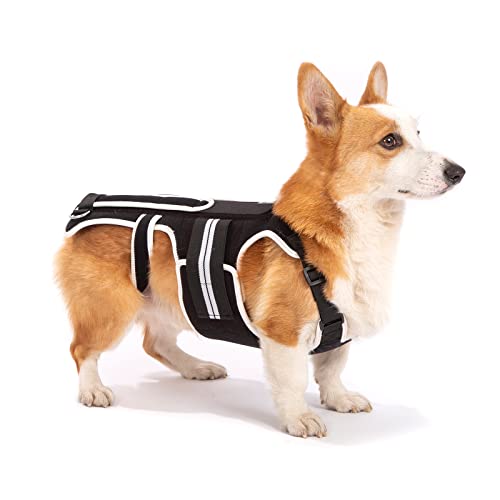
LufeLux L'il Back Bracer Dog Back Brace
Supportive back brace designed for long-backed breeds. Provides spinal stability during walks.
Greenies Dental Chews (Petite)
VOHC-accepted dental chews that reduce tartar buildup. Petite size perfect for Dachshunds.
PetFusion Orthopedic Dog Bed (Small)
Memory foam bed with waterproof liner. Supports joints and spine during rest. Machine-washable cover.
When Is a Dachshund Considered Senior?
Dachshunds are a small breed with a generous lifespan of 12-16 years, making them senior between ages 9 and 11. Many Dachshunds remain remarkably active well into their teens. The oldest documented Dachshund, Rocky, reportedly lived to 25 years. However, the breed's notorious spinal vulnerability means that mobility-related aging often appears earlier than age alone would suggest.
Begin twice-yearly veterinary exams at age 9, and proactively discuss back health, dental care, and weight management with your vet. The habits you establish now will have a profound impact on your Dachshund's quality of life in the years ahead.
IVDD: The Dachshund's Defining Health Challenge
Intervertebral disc disease (IVDD) is far and away the most significant health concern for Dachshunds. Research shows that approximately 1 in 4 Dachshunds will experience some form of IVDD during their lifetime. The breed's chondrodystrophic body type, with its long spine and short, curved legs, places extraordinary stress on the cushioning discs between vertebrae. As these discs degenerate with age, the risk of herniation increases significantly in the senior years.
Understanding the Risk
IVDD in Dachshunds most commonly affects the thoracolumbar region (mid-to-lower back). Type I IVDD involves acute disc extrusion and can cause sudden paralysis, while Type II involves chronic disc protrusion with gradually worsening symptoms. Senior Dachshunds may experience either type, though acute episodes can strike without warning.
Critical Prevention Measures
Prevention is not just advisable for Dachshunds; it is essential:
- Ramps everywhere: Place ramps at every bed, couch, and vehicle your Dachshund uses. This is the single most important preventive measure. Every eliminated jump reduces spinal impact.
- Weight management: Every extra pound on a Dachshund's frame increases spinal compression. Keep your Dachshund lean; this is non-negotiable for the breed.
- Proper handling: Always support both the chest and hindquarters when lifting. The spine must stay level and straight.
- Limit high-impact activities: Avoid games that involve jumping, twisting, or running on stairs. Controlled walks on flat surfaces are safest.
- Use a harness, not a collar: A harness distributes pressure across the chest rather than concentrating it on the vulnerable neck and spine.
Essential IVDD Prevention Products
- PetSafe CozyUp Folding Ramp - Lightweight, portable ramp for beds, couches, and vehicles
- Couch Ramps for Small Dogs - Dedicated ramps sized for furniture access
- Back Braces for Dogs with IVDD - Provide additional spinal support during walks

If IVDD Strikes: What to Expect
Despite the best preventive efforts, some Dachshunds will develop IVDD. Recognizing the early signs can mean the difference between conservative treatment and emergency surgery:
- Mild (Grade 1-2): Back pain, reluctance to move, hunched posture, yelping when touched. Treatment typically involves strict crate rest (4-6 weeks), anti-inflammatory medications, and muscle relaxants.
- Moderate (Grade 3-4): Weakness or wobbliness in the hind legs, knuckling of paws, difficulty walking. May require surgical intervention depending on imaging results.
- Severe (Grade 5): Complete paralysis with loss of deep pain sensation. This is a surgical emergency. Outcomes depend heavily on how quickly surgery is performed.
Post-IVDD recovery requires dedicated physical rehabilitation, including hydrotherapy, controlled exercises, and potentially a wheelchair cart for dogs with persistent paralysis. Many Dachshunds adapt beautifully to wheels and continue to live full, happy lives.
Obesity: Every Ounce Counts
Weight management in Dachshunds is not just about health in a general sense; it is directly linked to spinal health. Extra weight increases the downward force on those vulnerable intervertebral discs, dramatically raising IVDD risk. In a breed where the average healthy weight might be 16-32 pounds (depending on standard vs. miniature), even 2-3 extra pounds represents a significant percentage increase in body weight and spinal stress.
Feed your senior Dachshund a measured, portion-controlled diet appropriate for their ideal weight, not their current weight if overweight. A senior weight management formula helps maintain muscle mass while reducing calories. Avoid table scraps, and use tiny, low-calorie treats for training and rewards.
Dental Disease
Dachshunds are significantly prone to dental problems. Their small jaws often result in crowded teeth that trap food and promote rapid plaque and tartar accumulation. By the senior years, many Dachshunds have significant periodontal disease that affects not just the mouth but overall systemic health.
Commit to daily tooth brushing with an enzymatic canine toothpaste. Supplement with veterinary-approved dental chews like Greenies, dental water additives, and annual professional dental cleanings. Your veterinarian may recommend more frequent cleanings for Dachshunds with advanced dental disease. While anesthesia concerns are understandable, modern veterinary anesthesia protocols are very safe, and the consequences of untreated dental disease are far worse.

Exercise for Senior Dachshunds
Senior Dachshunds still need daily exercise, but the type matters enormously. Ideal activities include:
- Controlled leash walks on flat, even surfaces (15-20 minutes, twice daily)
- Gentle indoor play that does not involve jumping or twisting
- Swimming or hydrotherapy to build muscle without spinal stress (use a life vest for safety)
- Nose work games that engage the mind without straining the body
Avoid stairs whenever possible. If stairs are unavoidable in your home, carry your Dachshund or install a ramp. Never allow rough play, wrestling, or activities where your Dachshund jumps and twists in the air. These moments of excitement carry real risk for a breed with IVDD predisposition.
Creating a Dachshund-Safe Home
Your home environment should be optimized to protect your senior Dachshund's spine and overall comfort:
- Install ramps at every bed, couch, and vehicle access point
- Place non-slip runners on all hard-surface floors
- Provide a supportive orthopedic bed with low sides for easy entry
- Keep food and water bowls at an appropriate height to reduce neck strain
- Block access to stairs with baby gates if needed
- Maintain a warm environment, as cold aggravates back pain and stiffness
Related Senior Dog Care Guides
- Best Dog Ramps for Beds - Detailed comparison of ramps to protect your Dachshund's spine
- Dog Stairs vs. Ramps - Why ramps are almost always the better choice for Dachshunds
- Weight Management for Older Dogs - Keep your Dachshund lean to protect their back
- Signs Your Old Dog Is in Pain - Recognize when your Dachshund is hurting
Pet Insurance · Sponsored
Protect Your Senior Dog From Surprise Vet Bills
Senior dogs are more likely to face arthritis, lumps, dental disease, and sudden emergencies, and a single visit can run into the hundreds or thousands. Pet insurance can help you say yes to the care your dog needs without draining your savings. Get a free quote and see what coverage fits.
Frequently Asked Questions
At what age is a Dachshund considered senior?
Dachshunds are generally considered senior between 9 and 11 years of age. As a small breed, they have a longer lifespan of 12-16 years, with many Dachshunds living well into their mid-teens. However, their susceptibility to back problems means mobility-related aging can appear earlier than in other small breeds.
What is IVDD and why are Dachshunds so prone to it?
Intervertebral disc disease (IVDD) occurs when the cushioning discs between spinal vertebrae degenerate and compress the spinal cord. Dachshunds are extremely prone because their long spine and short legs (chondrodystrophy) place disproportionate stress on the intervertebral discs. Up to 25% of Dachshunds will experience some form of IVDD in their lifetime.
Are ramps really necessary for Dachshunds?
Absolutely. Ramps are one of the most important investments you can make for a Dachshund of any age. Jumping on and off furniture, beds, and car seats creates tremendous impact on the long spine. Every jump is a potential IVDD trigger. Place ramps at every elevated surface your Dachshund uses regularly, and train them to use ramps from puppyhood.
How should I pick up my senior Dachshund?
Always support both the chest and the hindquarters simultaneously, keeping the spine level and straight. Never pick up a Dachshund with one hand under the chest while the rear end dangles, as this creates dangerous spinal stress. Teach children and visitors the proper technique. Consider this a non-negotiable safety practice for the breed.
What dental care does a senior Dachshund need?
Dachshunds are highly prone to dental disease due to their small jaw and crowded teeth. Senior Dachshunds should have their teeth brushed daily if possible, receive dental chews, and get professional veterinary dental cleanings as recommended (often annually). Untreated dental disease causes pain, tooth loss, and can lead to heart and kidney complications.
Can a Dachshund recover from IVDD paralysis?
Many Dachshunds can recover from IVDD with appropriate treatment, which may include strict crate rest, anti-inflammatory medications, or surgery depending on severity. Success rates for surgery are high (over 90%) when performed promptly in dogs that still have deep pain sensation. Even dogs with severe paralysis may benefit from wheelchair carts. Recovery requires patience and dedicated physical therapy.
Is my Dachshund overweight? How can I tell?
You should be able to feel (but not prominently see) your Dachshund's ribs with light pressure. When viewed from above, there should be a visible waist behind the ribs. From the side, the belly should tuck up from the chest. Due to their long body, even 1-2 extra pounds significantly increases spinal stress. Ask your vet to assess body condition score at each visit.
Need more help with your aging dog?
Browse our guides by topic to find practical solutions.
Wellness Planner — $39